Dublin Airport ended 2025 on a high note when more than 100,000 people transited its two terminals on 30 December, the busiest day in the hub’s 83-year history, according to analysis published by VisaHQ on 2 January. The figure capped a 19-day festive surge forecast to see 1.5 million passengers between 18 December and 6 January.
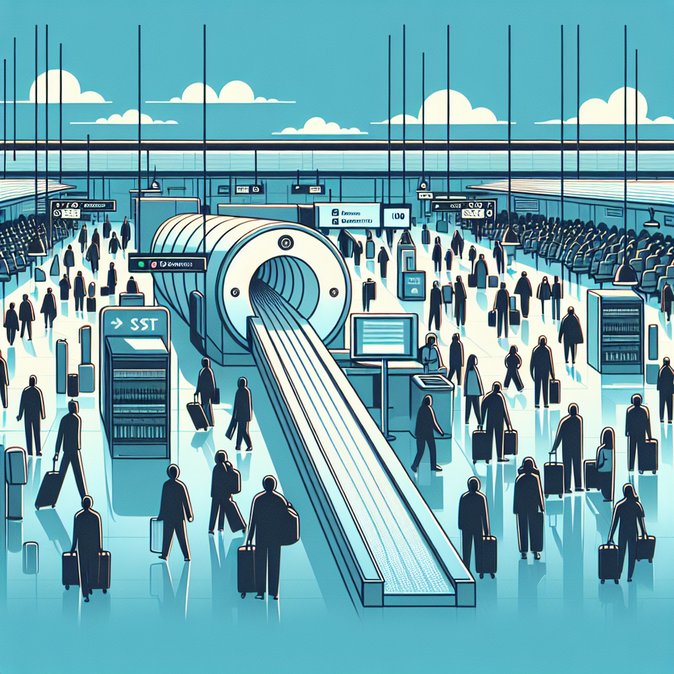
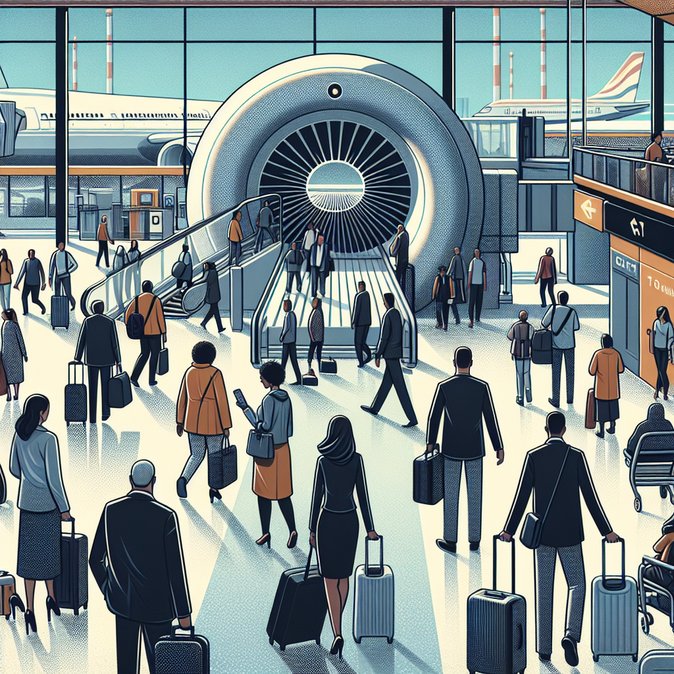
Airport authority daa credits the smooth performance to a €12 million deployment of C3 computed-tomography scanners that finally scrapped the 100 ml liquid rule, enabling travellers to leave laptops and bottles inside cabin bags. Average security wait times fell to 18 minutes, even during peak departure waves.
Whether you’re one of those record-breaking passengers or planning a future trip, VisaHQ can make the paperwork as painless as the new security lanes. Through its Ireland portal (https://www.visahq.com/ireland/), the platform lets travellers check entry requirements in seconds, complete digital visa or ETA applications, and receive expert support—so the only bottleneck you encounter is choosing a coffee after security.
![Dublin Airport breaks single-day passenger record as CT scanners speed security]()
The record throughput underlines Ireland’s post-pandemic mobility rebound and raises fresh questions about the 32 million-passenger annual cap still technically attached to Dublin’s planning permission. daa CEO Kenny Jacobs has labelled the limit a “zombie cap” that risks strangling growth just as the airport proves it can handle higher volumes without the queues that blighted 2022.
For corporate travel managers, the CT rollout means less time lost to security bottlenecks and fewer costly last-minute cabin-bag repacks. However, airlines warn that staffing pressures could return at Easter if passenger cap uncertainty delays recruitment.
Meanwhile, daa confirmed that its new ‘Trusted Flyer’ trial—allowing frequent Flyers to pre-book a 10-minute security window for €5—is oversubscribed, indicating a market for premium facilitation products that could be rolled out permanently later this year.
Airport authority daa credits the smooth performance to a €12 million deployment of C3 computed-tomography scanners that finally scrapped the 100 ml liquid rule, enabling travellers to leave laptops and bottles inside cabin bags. Average security wait times fell to 18 minutes, even during peak departure waves.
Whether you’re one of those record-breaking passengers or planning a future trip, VisaHQ can make the paperwork as painless as the new security lanes. Through its Ireland portal (https://www.visahq.com/ireland/), the platform lets travellers check entry requirements in seconds, complete digital visa or ETA applications, and receive expert support—so the only bottleneck you encounter is choosing a coffee after security.
The record throughput underlines Ireland’s post-pandemic mobility rebound and raises fresh questions about the 32 million-passenger annual cap still technically attached to Dublin’s planning permission. daa CEO Kenny Jacobs has labelled the limit a “zombie cap” that risks strangling growth just as the airport proves it can handle higher volumes without the queues that blighted 2022.
For corporate travel managers, the CT rollout means less time lost to security bottlenecks and fewer costly last-minute cabin-bag repacks. However, airlines warn that staffing pressures could return at Easter if passenger cap uncertainty delays recruitment.
Meanwhile, daa confirmed that its new ‘Trusted Flyer’ trial—allowing frequent Flyers to pre-book a 10-minute security window for €5—is oversubscribed, indicating a market for premium facilitation products that could be rolled out permanently later this year.