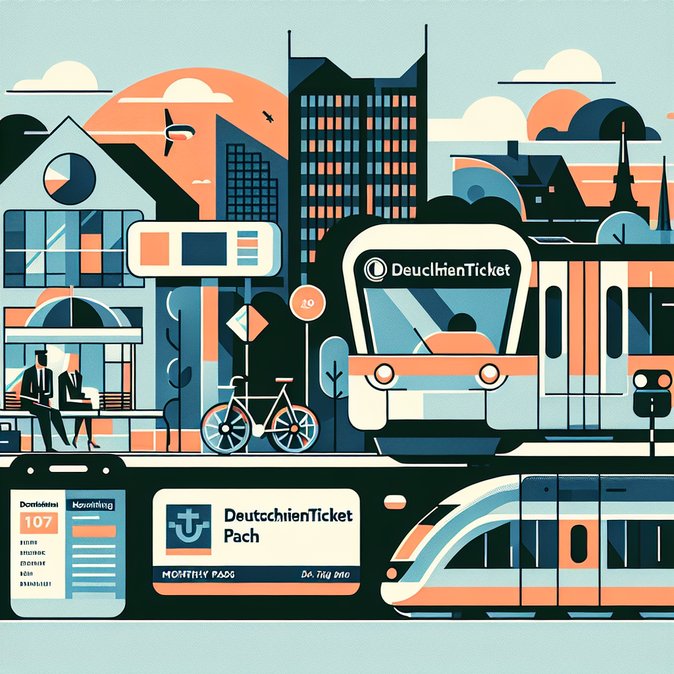
Germany’s popular ‘Deutschlandticket’, which offers unlimited nationwide public-transport travel, now costs €63 per month after a price revision that took effect on 1 January 2026. The federal-state financing pact caps annual subsidies at €3 billion through 2030; the €5 increase (from €58) shifts part of the inflation-driven funding gap to consumers.
For employers, the change impacts travel-policy budgets and salary-conversion schemes. Many companies subsidise the ticket via tax-advantaged ‘Jobticket’ programmes, saving 25 % in payroll taxes. Those arrangements remain valid, but HR departments must update payroll systems to reflect the new fare. A commuter receiving a 100 % subsidy will now add €60 extra cost to the 2026 spend.
Despite the hike, the flat-fare pass remains a bargain compared with regional season tickets. The Association of German Chambers of Commerce predicts continued high uptake among urban knowledge workers, especially as the ticket qualifies for first-class upgrades in some Länder with a modest surcharge.
![Deutschlandticket climbs to €63 per month—what corporate travellers need to know]()
For international employees and visitors who plan to take advantage of the Deutschlandticket during an extended stay, VisaHQ can streamline the visa paperwork needed for entry and residence. The platform walks users and HR teams through Germany’s application requirements, offers real-time status tracking, and provides expert support—saving hours of administrative effort. Explore the service here: https://www.visahq.com/germany/
Operationally, the digital subscription can still be stored in DB Navigator or local transit apps. Mobility managers advising expatriates should remind holders that the ticket is valid only for second-class travel on regional trains; ICE, IC and EC services still require a supplement.
Looking ahead, the Transport Ministry plans to review pricing annually against ridership and energy costs, meaning further increases cannot be ruled out.
For employers, the change impacts travel-policy budgets and salary-conversion schemes. Many companies subsidise the ticket via tax-advantaged ‘Jobticket’ programmes, saving 25 % in payroll taxes. Those arrangements remain valid, but HR departments must update payroll systems to reflect the new fare. A commuter receiving a 100 % subsidy will now add €60 extra cost to the 2026 spend.
Despite the hike, the flat-fare pass remains a bargain compared with regional season tickets. The Association of German Chambers of Commerce predicts continued high uptake among urban knowledge workers, especially as the ticket qualifies for first-class upgrades in some Länder with a modest surcharge.

For international employees and visitors who plan to take advantage of the Deutschlandticket during an extended stay, VisaHQ can streamline the visa paperwork needed for entry and residence. The platform walks users and HR teams through Germany’s application requirements, offers real-time status tracking, and provides expert support—saving hours of administrative effort. Explore the service here: https://www.visahq.com/germany/
Operationally, the digital subscription can still be stored in DB Navigator or local transit apps. Mobility managers advising expatriates should remind holders that the ticket is valid only for second-class travel on regional trains; ICE, IC and EC services still require a supplement.
Looking ahead, the Transport Ministry plans to review pricing annually against ridership and energy costs, meaning further increases cannot be ruled out.