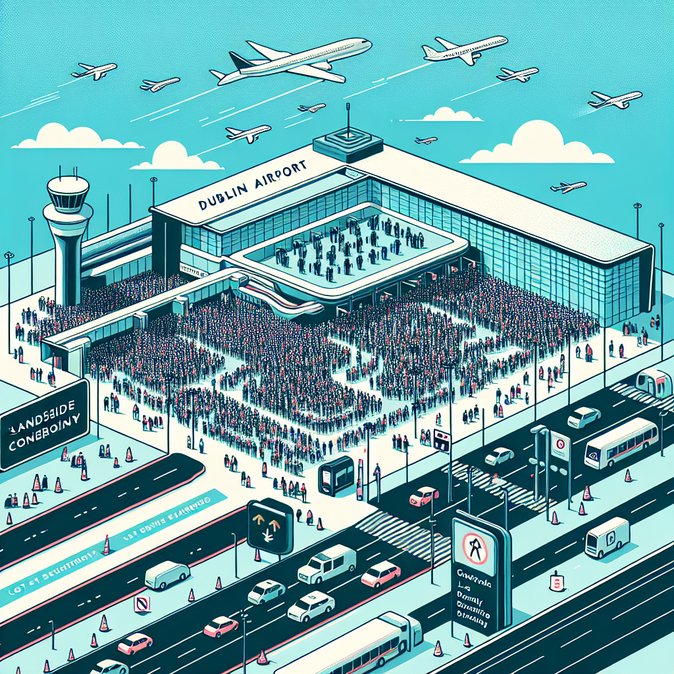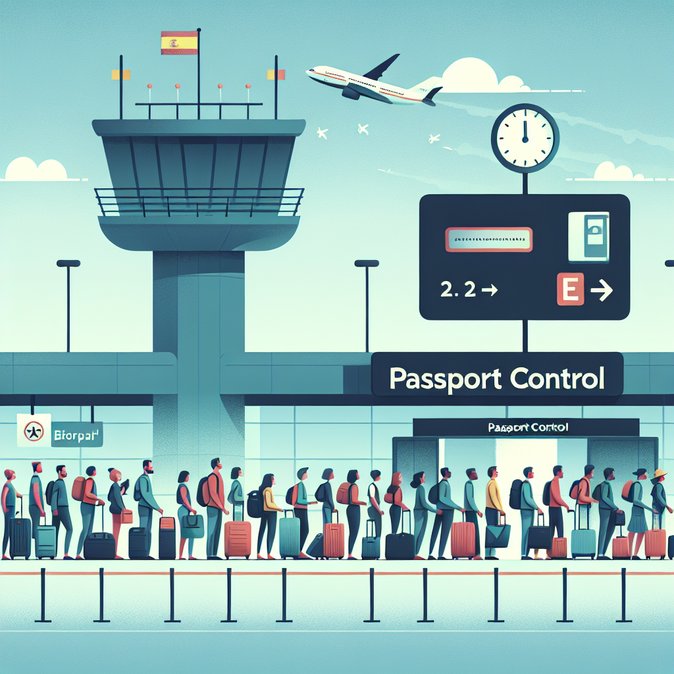
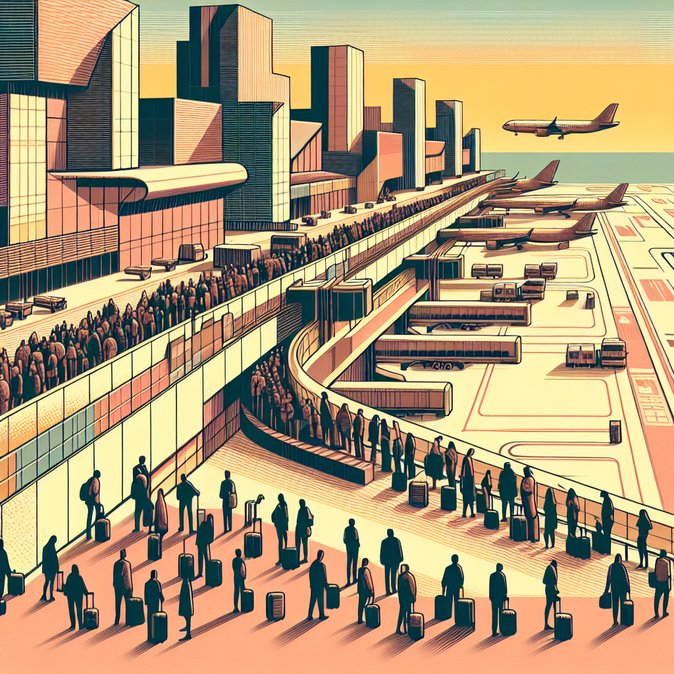
Low-cost carrier Ryanair sent an urgent email blast to customers on 31 December after holidaymakers in Málaga and other Spanish gateways reported two-hour passport-control queues linked to the EU’s new Entry/Exit System (EES). Although full roll-out is not due until October 2026, Spain began live trials just before Christmas, and teething problems quickly surfaced as biometric kiosks froze and officers reverted to manual stamping.
Because Ireland sits outside Schengen, every Irish passport holder entering or leaving Spain must have both crossings recorded. That makes them particularly exposed to system glitches: a missed exit scan, for example, could invalidate subsequent Schengen stays or trigger overstayer flags. Ryanair now advises passengers to arrive at least three hours before departure, head straight to security and monitor gate-change alerts.
Travel-management companies are already rerouting some corporate itineraries through Lisbon and Paris—airports not yet piloting EES—to reduce risk. Mobility teams are updating briefings to include proof-of-exit best practices, such as retaining boarding passes and ensuring passport stamps are visible until digital confirmation appears.
![Ryanair Warns Irish Travellers of Two-Hour Queues as Spain Trials EU Entry/Exit System]()
For Irish travellers who want extra peace of mind, VisaHQ’s Dublin-based specialists (https://www.visahq.com/ireland/) can help decode EES requirements, track remaining Schengen days, and assemble the supporting documents—boarding passes, itinerary printouts, employer letters—that border officials may request if kiosk outages arise. The service simplifies compliance for both holidaymakers and corporate mobility teams, ensuring smoother passage even while the new system beds in.
Spain’s interior ministry claims staffing is adequate and says snags will ease as operators become familiar with the new equipment. The European Commission, however, notes that the Málaga trial offers a useful stress-test before the system’s continent-wide switch-on. For Irish businesses, the episode is a wake-up call: once EES is fully active, any lapse in biometric logging could jeopardise short-term posting compliance, posted-worker notifications and A1 social-security certificates.
Companies are therefore urged to audit upcoming travel to Spain, circulate Ryanair’s guidance and build EES buffer time into 2026 budgets. In parallel, HR leaders should map out escalation paths—who travellers call if entry kiosks fail, and what documentary evidence is needed to defend against over-stay allegations down the line.
Because Ireland sits outside Schengen, every Irish passport holder entering or leaving Spain must have both crossings recorded. That makes them particularly exposed to system glitches: a missed exit scan, for example, could invalidate subsequent Schengen stays or trigger overstayer flags. Ryanair now advises passengers to arrive at least three hours before departure, head straight to security and monitor gate-change alerts.
Travel-management companies are already rerouting some corporate itineraries through Lisbon and Paris—airports not yet piloting EES—to reduce risk. Mobility teams are updating briefings to include proof-of-exit best practices, such as retaining boarding passes and ensuring passport stamps are visible until digital confirmation appears.
For Irish travellers who want extra peace of mind, VisaHQ’s Dublin-based specialists (https://www.visahq.com/ireland/) can help decode EES requirements, track remaining Schengen days, and assemble the supporting documents—boarding passes, itinerary printouts, employer letters—that border officials may request if kiosk outages arise. The service simplifies compliance for both holidaymakers and corporate mobility teams, ensuring smoother passage even while the new system beds in.
Spain’s interior ministry claims staffing is adequate and says snags will ease as operators become familiar with the new equipment. The European Commission, however, notes that the Málaga trial offers a useful stress-test before the system’s continent-wide switch-on. For Irish businesses, the episode is a wake-up call: once EES is fully active, any lapse in biometric logging could jeopardise short-term posting compliance, posted-worker notifications and A1 social-security certificates.
Companies are therefore urged to audit upcoming travel to Spain, circulate Ryanair’s guidance and build EES buffer time into 2026 budgets. In parallel, HR leaders should map out escalation paths—who travellers call if entry kiosks fail, and what documentary evidence is needed to defend against over-stay allegations down the line.