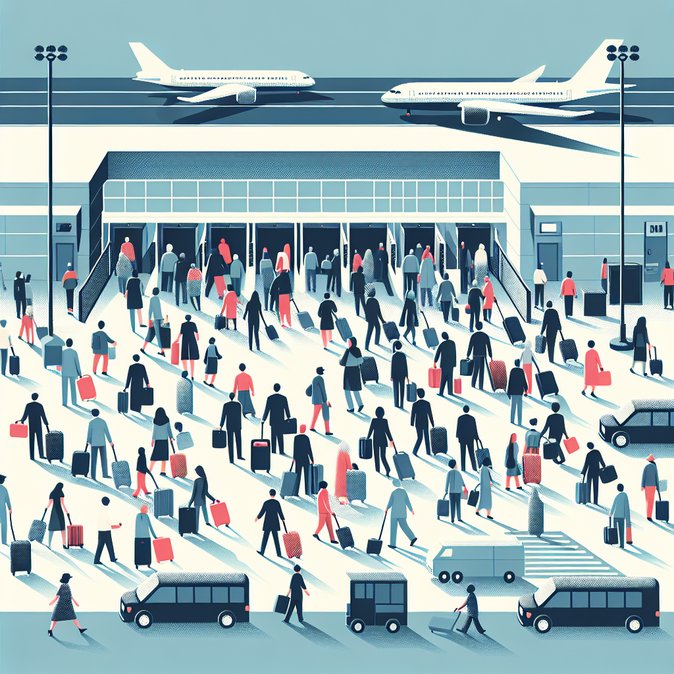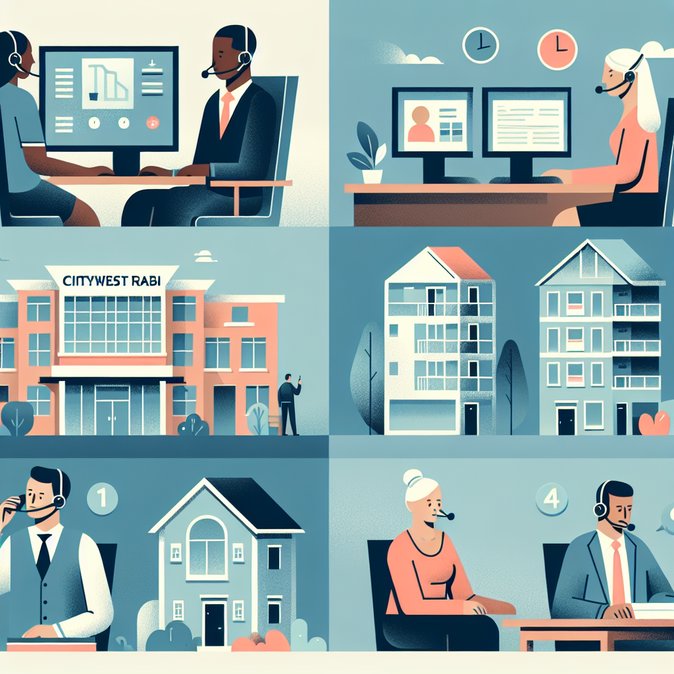
With Dublin’s Citywest transit hub closed to new arrivals from 23 December to 2 January, the Department for Children, Equality, Disability, Integration & Youth (DCEDIY) switched on a round-the-clock helpline on 30 December to prevent newly arrived asylum-seekers from being left without shelter. Call-centre agents allocate beds in emergency accommodation or, when capacity is exhausted, trigger a contingency plan that may include hotel vouchers or hostel placements.
The holiday shutdown is aimed at easing chronic overcrowding: Citywest, designed for 380 people, has frequently hosted more than 700. Separate transport and reception arrangements have been put in place for Ukrainian refugees arriving between 23–27 December and 1–2 January.
NGOs such as the Irish Refugee Council welcomed the hotline but warned of “no-bed” scenarios already experienced twice in the past month. They are calling for a more predictable pipeline of modular housing and faster move-on to longer-term accommodation to free emergency beds.
![24-Hour Hotline Activated as Citywest Transit Hub Halts New Asylum Arrivals]()
For travellers and employers trying to navigate Ireland’s evolving entry and residence landscape, VisaHQ can provide timely assistance. Through its Ireland portal (https://www.visahq.com/ireland/) the company helps applicants understand current requirements, submit visa paperwork online and secure expedited processing when time is tight—services that can prove invaluable when accommodation or humanitarian measures disrupt standard arrival procedures.
For HR and global-mobility teams, the pause is a reminder that housing pinch-points can ripple into work-permit pipelines: employees awaiting temporary protection for family members may face processing delays if initial reception can’t issue addresses promptly. Employers have been asked to circulate the helpline number and confirm that any transferees arriving during the blackout have secure accommodation booked in advance.
DCEDIY says the hub will reopen on 3 January with a lower occupancy ceiling and an online queuing system to allocate arrivals time-slots, but capacity constraints are expected to persist through the first quarter of 2026.
The holiday shutdown is aimed at easing chronic overcrowding: Citywest, designed for 380 people, has frequently hosted more than 700. Separate transport and reception arrangements have been put in place for Ukrainian refugees arriving between 23–27 December and 1–2 January.
NGOs such as the Irish Refugee Council welcomed the hotline but warned of “no-bed” scenarios already experienced twice in the past month. They are calling for a more predictable pipeline of modular housing and faster move-on to longer-term accommodation to free emergency beds.

For travellers and employers trying to navigate Ireland’s evolving entry and residence landscape, VisaHQ can provide timely assistance. Through its Ireland portal (https://www.visahq.com/ireland/) the company helps applicants understand current requirements, submit visa paperwork online and secure expedited processing when time is tight—services that can prove invaluable when accommodation or humanitarian measures disrupt standard arrival procedures.
For HR and global-mobility teams, the pause is a reminder that housing pinch-points can ripple into work-permit pipelines: employees awaiting temporary protection for family members may face processing delays if initial reception can’t issue addresses promptly. Employers have been asked to circulate the helpline number and confirm that any transferees arriving during the blackout have secure accommodation booked in advance.
DCEDIY says the hub will reopen on 3 January with a lower occupancy ceiling and an online queuing system to allocate arrivals time-slots, but capacity constraints are expected to persist through the first quarter of 2026.