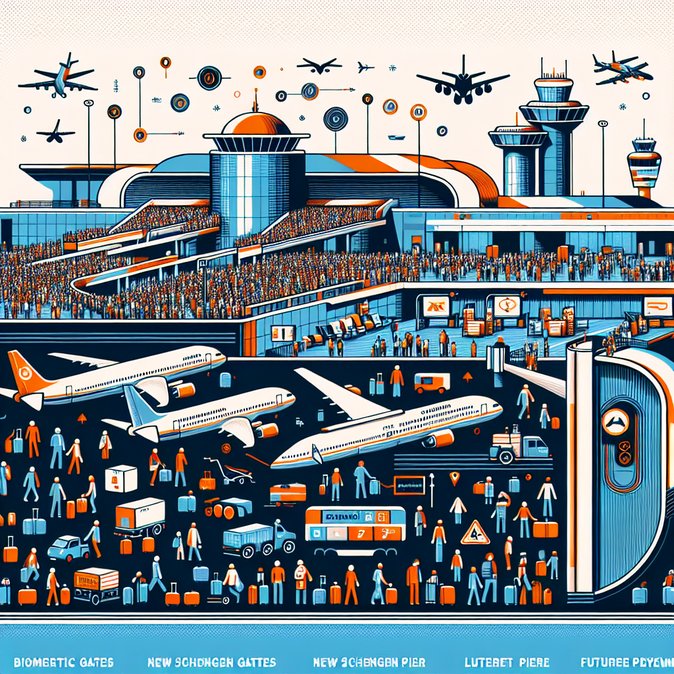
GESAP, the operator of Palermo’s Falcone-Borsellino Airport, announced on 29 December 2025 that the Sicilian gateway handled 9.2 million passengers this year—up 3.3 % on 2024 and the highest volume in its history. Average load factors rose to 151 passengers per flight, reflecting a robust mix of low-cost, leisure and growing domestic business traffic.
Drivers of growth: New point-to-point routes from Transavia, Wizz Air and ITA Airways, plus the restoration of North-African services, added seat capacity, while Sicily’s tax incentives for film production and the 2025 Jubilee boosted inbound demand. Commercial revenue (retail and F&B) grew 8-10 %, helping finance infrastructural upgrades without raising aeronautical fees.
For international travelers planning trips to Sicily—or any part of Italy—VisaHQ can simplify the visa application process by offering an entirely online submission, real-time status updates, and expert guidance on documentation. More details are available at https://www.visahq.com/italy/
![Palermo airport sets all-time passenger record, plans digital upgrades for 2026]()
Modernisation roadmap: GESAP will roll out biometric self-boarding gates, a single-token security lane and an expanded Schengen pier by summer 2026. A new digital platform will let business-aviation crews pre-book slots and ground services, streamlining corporate movements. Sustainability goals include a 40 % cut in terminal emissions through solar roofing and an electric ground-vehicle fleet.
Why it matters for mobility managers: Palermo’s enhanced connectivity gives multinationals in energy, agritech and tourism more routing options, potentially reducing reliance on oversaturated Rome and Milan hubs. The digital-first approach also promises faster turnarounds and better data integration for travel-risk systems.
Outlook: Management targets 10 million passengers in 2026, banking on further US seasonal flights and the launch of a direct Palermo-Istanbul service. The airport’s performance strengthens Sicily’s push to position itself as a Mediterranean logistics and meetings hub.
Drivers of growth: New point-to-point routes from Transavia, Wizz Air and ITA Airways, plus the restoration of North-African services, added seat capacity, while Sicily’s tax incentives for film production and the 2025 Jubilee boosted inbound demand. Commercial revenue (retail and F&B) grew 8-10 %, helping finance infrastructural upgrades without raising aeronautical fees.
For international travelers planning trips to Sicily—or any part of Italy—VisaHQ can simplify the visa application process by offering an entirely online submission, real-time status updates, and expert guidance on documentation. More details are available at https://www.visahq.com/italy/
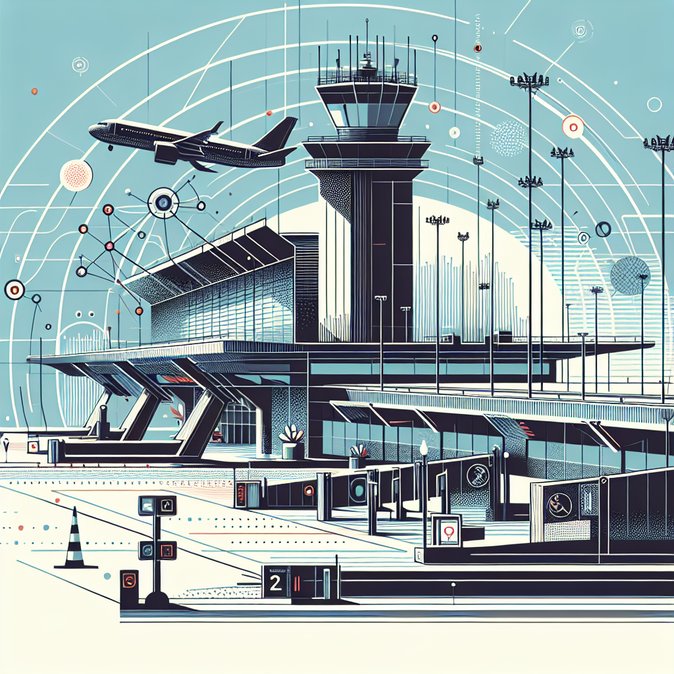
Modernisation roadmap: GESAP will roll out biometric self-boarding gates, a single-token security lane and an expanded Schengen pier by summer 2026. A new digital platform will let business-aviation crews pre-book slots and ground services, streamlining corporate movements. Sustainability goals include a 40 % cut in terminal emissions through solar roofing and an electric ground-vehicle fleet.
Why it matters for mobility managers: Palermo’s enhanced connectivity gives multinationals in energy, agritech and tourism more routing options, potentially reducing reliance on oversaturated Rome and Milan hubs. The digital-first approach also promises faster turnarounds and better data integration for travel-risk systems.
Outlook: Management targets 10 million passengers in 2026, banking on further US seasonal flights and the launch of a direct Palermo-Istanbul service. The airport’s performance strengthens Sicily’s push to position itself as a Mediterranean logistics and meetings hub.