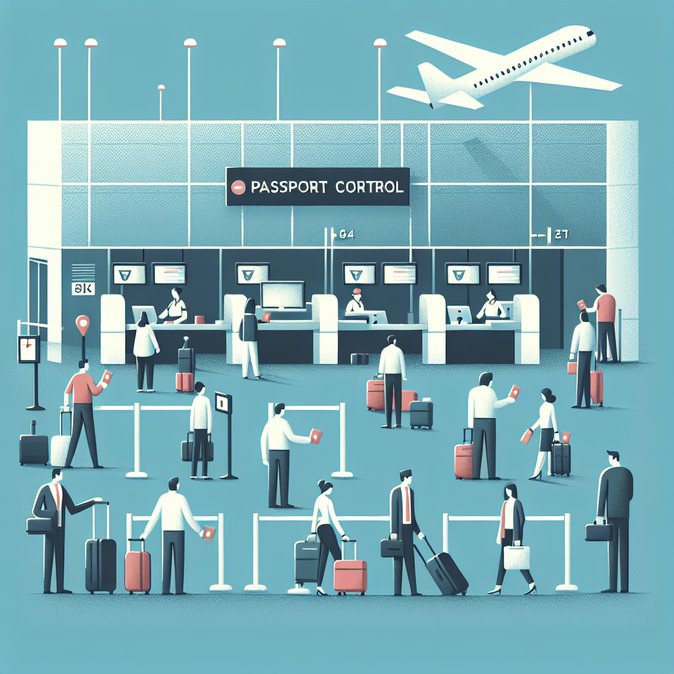
Travellers passing through Málaga-Costa del Sol Airport on 26-27 December faced some of the longest queues seen since the start of the holiday rush. Non-EU passengers, and increasingly many EU passport-holders as well, reported waits of up to two hours at passport control as Spain continued live trials of the European Union’s new Entry/Exit System (EES). The biometric regime, designed to replace manual passport stamping with a fingerprint-and-face scan, has been plagued by kiosk failures and a shortage of trained Policía Nacional officers able to intervene when machines freeze.
Airlines reacted quickly. Ryanair sent e-mails to customers advising them to be at the airport at least three hours before departure, warning of “longer queues caused by the new system”. Local tourism businesses fear the negative headlines could dent the crucial winter sun market that keeps hotels full between January and March. Málaga handled more than 20 million passengers in 2025 and is the main gateway for the Costa del Sol’s expatriate community and property-hunters.
For travellers looking to minimise paperwork surprises, VisaHQ’s Spain portal (https://www.visahq.com/spain/) offers real-time guidance on entry requirements, biometric procedures and fast-track options. The platform can arrange the necessary documentation well before departure and keeps users updated when operational trials like the EES create new checkpoints, helping both holidaymakers and corporate staff reach Málaga prepared.
![Malaga-Costa del Sol hit by two-hour queues as EU Entry/Exit System falters over Christmas]()
The underlying problem is that EES remains in trial mode and is not yet harmonised across Spain’s main airports. Lacking a full national deployment plan, individual airports have had to improvise staffing levels and signage, resulting in wildly different passenger experiences from Madrid to Tenerife. Social-media images shared by stranded holiday-makers show only two manual booths open for several hundred passengers, while unsupervised e-gates repeatedly shut down.
For multinationals rotating staff through their Spanish subsidiaries, the delays carry real business costs. Missed connections to regional cities such as Sevilla or Granada mean extra hotel nights and lost meetings. Mobility managers are now factoring longer layovers into travel policies and reminding employees that Schengen border queues can no longer be predicted with pre-pandemic precision.
Although Spain’s Interior Ministry insists the hiccups are temporary, industry bodies are pushing for a pause until the infrastructure is robust. If the problems persist into the February-March trade-fair season, corporate travel buyers warn that some events could shift to easier hubs such as Lisbon or Dublin, depriving Andalucía of valuable MICE revenue.
Airlines reacted quickly. Ryanair sent e-mails to customers advising them to be at the airport at least three hours before departure, warning of “longer queues caused by the new system”. Local tourism businesses fear the negative headlines could dent the crucial winter sun market that keeps hotels full between January and March. Málaga handled more than 20 million passengers in 2025 and is the main gateway for the Costa del Sol’s expatriate community and property-hunters.
For travellers looking to minimise paperwork surprises, VisaHQ’s Spain portal (https://www.visahq.com/spain/) offers real-time guidance on entry requirements, biometric procedures and fast-track options. The platform can arrange the necessary documentation well before departure and keeps users updated when operational trials like the EES create new checkpoints, helping both holidaymakers and corporate staff reach Málaga prepared.
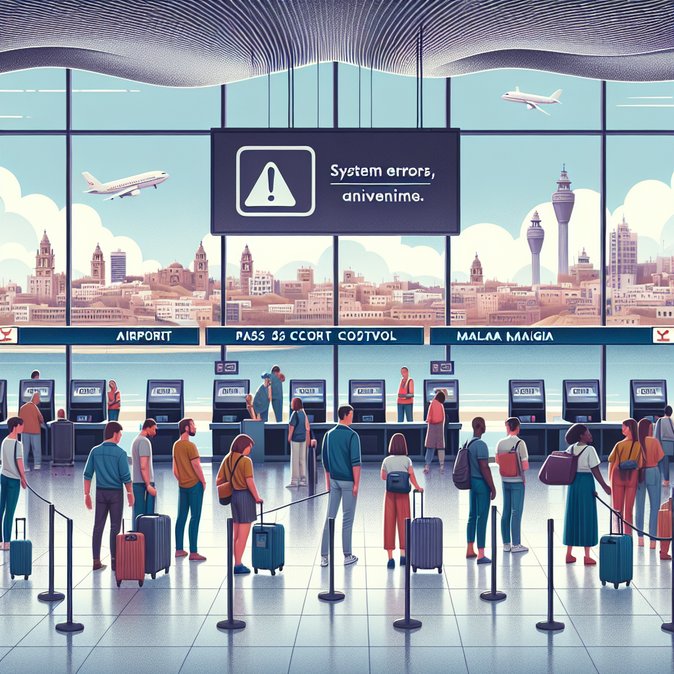
The underlying problem is that EES remains in trial mode and is not yet harmonised across Spain’s main airports. Lacking a full national deployment plan, individual airports have had to improvise staffing levels and signage, resulting in wildly different passenger experiences from Madrid to Tenerife. Social-media images shared by stranded holiday-makers show only two manual booths open for several hundred passengers, while unsupervised e-gates repeatedly shut down.
For multinationals rotating staff through their Spanish subsidiaries, the delays carry real business costs. Missed connections to regional cities such as Sevilla or Granada mean extra hotel nights and lost meetings. Mobility managers are now factoring longer layovers into travel policies and reminding employees that Schengen border queues can no longer be predicted with pre-pandemic precision.
Although Spain’s Interior Ministry insists the hiccups are temporary, industry bodies are pushing for a pause until the infrastructure is robust. If the problems persist into the February-March trade-fair season, corporate travel buyers warn that some events could shift to easier hubs such as Lisbon or Dublin, depriving Andalucía of valuable MICE revenue.