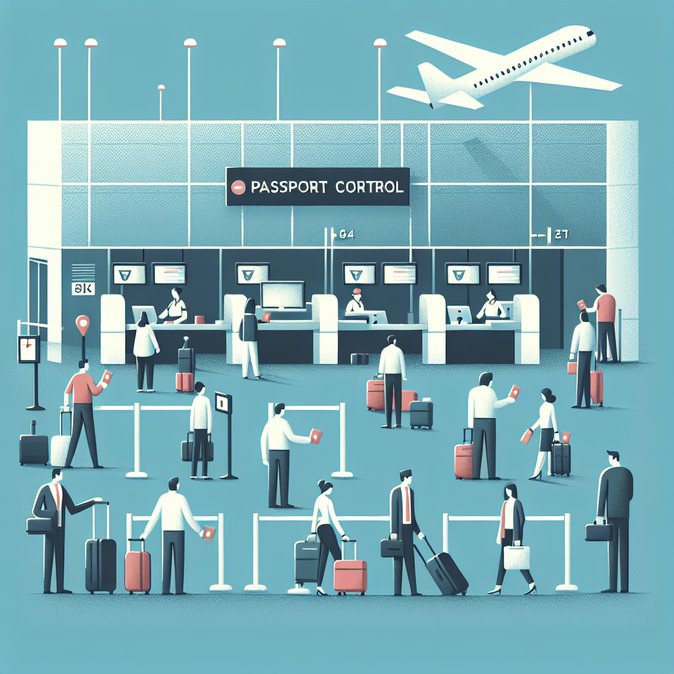
Airport Council International (ACI) Europe issued an urgent appeal on 27 December for a comprehensive audit of the EU’s new Entry/Exit System (EES) after a wave of holiday congestion swept across the continent. The industry group highlighted Madrid-Barajas, Barcelona-El Prat and Málaga among the worst-affected airports, citing ‘persistent technical malfunctions’ and ‘insufficient contingency staffing’.
Implemented to tighten external-border security, EES registers every non-EU arrival and departure with fingerprints and facial recognition. Yet the technology has struggled under peak loads. Spanish airports processed more than 101,000 flights during the Christmas fortnight, according to operator Aena, exposing weaknesses that were less visible during off-peak tests.
Travellers looking for practical help ahead of their trip should note that VisaHQ’s Spain portal (https://www.visahq.com/spain/) tracks the latest EES developments, offers real-time compliance alerts, and provides concierge visa and passport services. Using the platform, corporate mobility teams and individual flyers can double-check documentation requirements, receive personalised reminders, and arrange fast-track processing when available—valuable safeguards while the new border system stabilises.
![ACI Europe urges emergency review of EU biometric border regime as queues grow at Spanish hubs]()
ACI Europe warned that prolonged delays risk breaching EU passenger-rights legislation and could trigger compensation claims from airlines forced to off-load no-show passengers or rebook missed connections. The organisation is calling on the European Commission and national interior ministries—including Spain’s—to convene a task force before the Easter rush, recommending additional kiosks, rapid-response technician teams and clearer signage in multiple languages.
For global-mobility teams, the announcement is both a red flag and an opportunity to engage early with relocating staff. Companies are being advised to include EES buffer times in travel approvals, monitor queue-time apps, and brief assignees on the possibility of biometric re-enrolment if scans fail. Immigration counsel also note that overstays caused by border gridlock do not automatically excuse Schengen-rule infringements; travellers must retain evidence of delay.
Spain’s Interior Ministry has acknowledged the report and said it will ‘work closely with airport authorities’ but stopped short of committing to a pause. With business-aviation terminals reporting smoother processing thanks to dedicated staff, pressure is mounting to replicate that model in commercial terminals before European ski-season traffic peaks in February.
Implemented to tighten external-border security, EES registers every non-EU arrival and departure with fingerprints and facial recognition. Yet the technology has struggled under peak loads. Spanish airports processed more than 101,000 flights during the Christmas fortnight, according to operator Aena, exposing weaknesses that were less visible during off-peak tests.
Travellers looking for practical help ahead of their trip should note that VisaHQ’s Spain portal (https://www.visahq.com/spain/) tracks the latest EES developments, offers real-time compliance alerts, and provides concierge visa and passport services. Using the platform, corporate mobility teams and individual flyers can double-check documentation requirements, receive personalised reminders, and arrange fast-track processing when available—valuable safeguards while the new border system stabilises.

ACI Europe warned that prolonged delays risk breaching EU passenger-rights legislation and could trigger compensation claims from airlines forced to off-load no-show passengers or rebook missed connections. The organisation is calling on the European Commission and national interior ministries—including Spain’s—to convene a task force before the Easter rush, recommending additional kiosks, rapid-response technician teams and clearer signage in multiple languages.
For global-mobility teams, the announcement is both a red flag and an opportunity to engage early with relocating staff. Companies are being advised to include EES buffer times in travel approvals, monitor queue-time apps, and brief assignees on the possibility of biometric re-enrolment if scans fail. Immigration counsel also note that overstays caused by border gridlock do not automatically excuse Schengen-rule infringements; travellers must retain evidence of delay.
Spain’s Interior Ministry has acknowledged the report and said it will ‘work closely with airport authorities’ but stopped short of committing to a pause. With business-aviation terminals reporting smoother processing thanks to dedicated staff, pressure is mounting to replicate that model in commercial terminals before European ski-season traffic peaks in February.