Hong Kong’s new border-search powers allow officers to compel device passwords from all travellers
IRCC confirms permanent-resident application fees will jump 12 % on April 30
Noida International Airport Inaugurated, Opening a Second Global Gateway for Delhi-NCR
Latest News

Bill C-12 receives Royal Assent, ushering in Canada’s most sweeping immigration compliance overhaul in a decade
Canada’s wide-ranging Strengthening Immigration System and Borders Act became law on 28 March 2026. The Act introduces hefty administrative monetary penalties, real-time data-sharing requirements for employers and schools, and new CBSA removal powers. Corporate mobility teams must prepare for higher fees and deeper audits, making proactive compliance the new cost of entry.
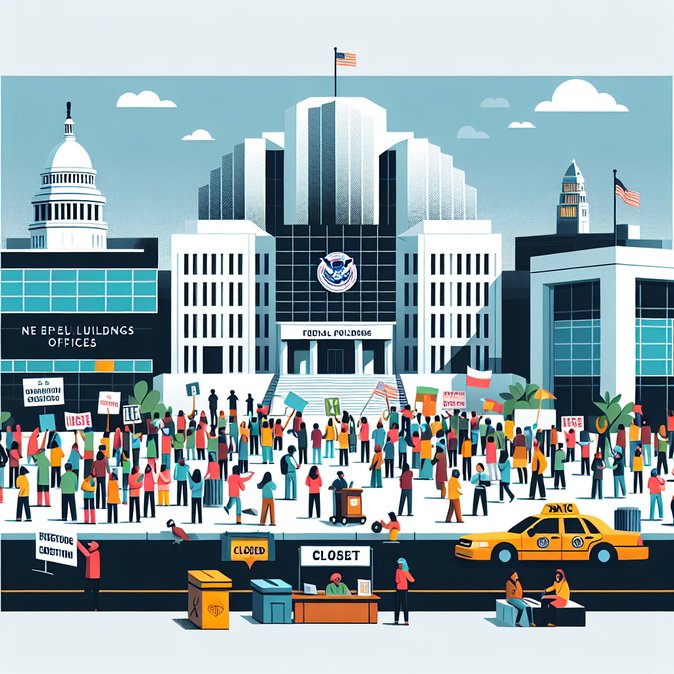
Nationwide ‘No Kings’ protests snarl downtown traffic and access to federal buildings including USCIS field offices
Large anti-administration rallies on 28 March blocked roads around USCIS offices and federal buildings in more than two dozen U.S. cities, forcing last-minute rescheduling of biometrics and citizenship appointments and delaying airport transfers. Although peaceful, the protests highlight the growing intersection of immigration policy, public activism and day-to-day corporate mobility logistics.
Nova Scotians flood archives after Ottawa scraps first-generation limit on citizenship by descent
After Ottawa eliminated the first-generation cap on citizenship by descent, Nova Scotia Archives saw record demand for historical documents. The rule change means second- or third-generation Canadians born abroad can reclaim citizenship, offering a new, permit-free work option for some globally mobile staff.
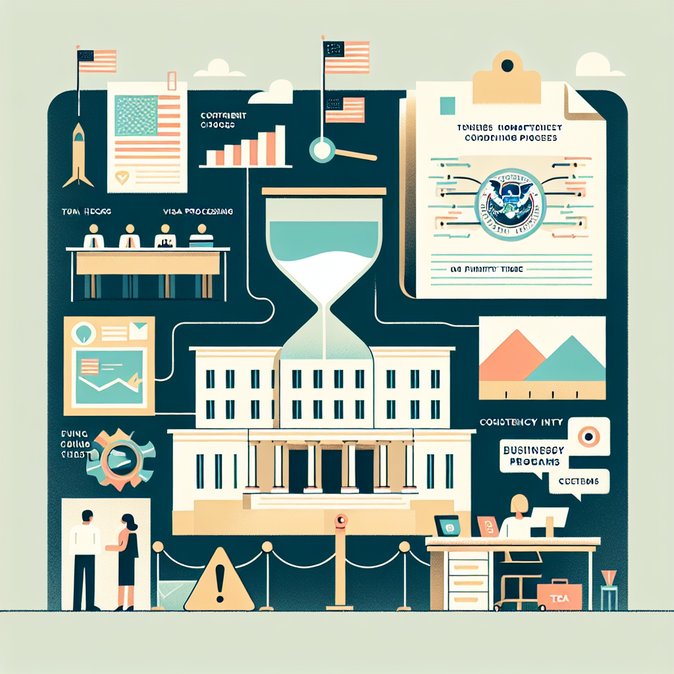
House races ahead with eight-week DHS stopgap that restores full border-security funding, leaving Senate in recess limbo
The House passed an eight-week funding patch for DHS early Saturday that restores budgets for ICE and CBP, directly clashing with the Senate’s ICE-free measure adopted a day earlier. Because the Senate has already left town, the partial DHS shutdown—and its ripple effects on TSA lines, visa processing and work-site enforcement—will persist, keeping business-mobility programs in contingency mode.