Trump moves to resume DHS pay during record shutdown
Belgium pauses biometric data collection under EU Entry/Exit System after airport chaos
Home Office confirms visa, sponsor and settlement fees will rise on 8 April 2026
Latest News
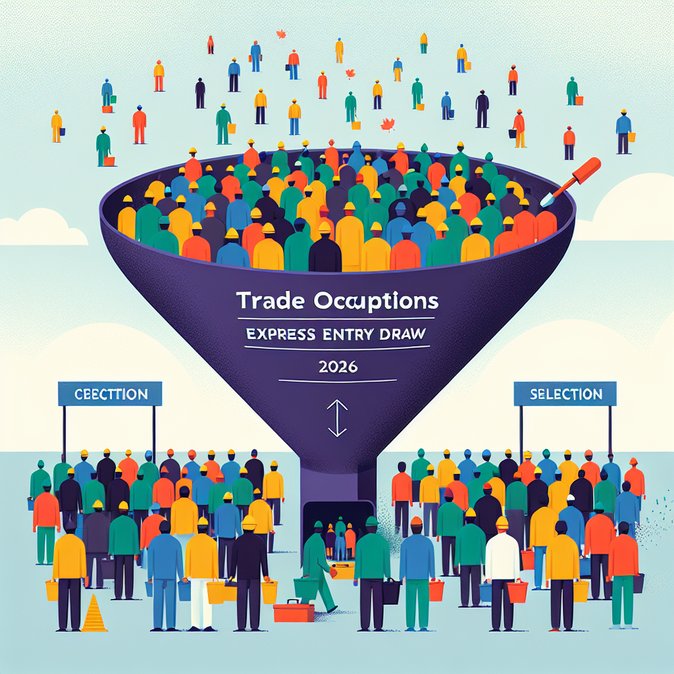
IRCC launches first Express Entry draw for Trades Occupations, issuing 3,000 ITAs
On 2 April 2026, IRCC invited 3,000 candidates in the first Express Entry draw dedicated to Trades Occupations under the revised category-based selection system. Candidates required a minimum CRS score of 477. The move gives employers quicker access to permanent workers in high-demand trades and indicates Ottawa’s ongoing preference for occupation-specific invitations.

India scraps paper arrival cards, makes e-Arrival Card compulsory for all foreigners
From 1 April 2026, India has abolished paper arrival cards; all foreign passengers must now file an online e-Arrival Card within 72 hours before landing. The move, confirmed on 2 April, finalises the IVFRT 2.0 digitisation drive, giving immigration officers real-time data and cutting processing times. Companies relocating staff to India should add the filing step to pre-travel check-lists to avoid fines and boarding refusals.
UAE Bars Most Iranian Passport-Holders From Entry or Transit
Effective April 1, UAE carriers have stopped accepting most Iranian passport-holders for entry or even transit, with only Golden Visa holders and a few family- and profession-based categories exempt. The sweeping restriction forces businesses to reroute Iranian staff and visitors away from Dubai and Abu Dhabi hubs, adding cost and complexity to Gulf travel programmes.

China Moves Border Permits Online: National Immigration Administration Announces Electronic Border Management Area Permit
Effective 15 April 2026, China will stop issuing paper Border Management Area Permits and switch to an electronic permit accessible via the NIA 12367 app suite. The move cuts paperwork for travellers to sensitive frontier zones, shortens processing times and reduces document-loss risks—important gains for companies that deploy staff to mining, energy and logistics projects near China’s land borders.

Gibraltar–Spain border treaty postponed to July, giving businesses and commuters three extra months to prepare
EU diplomats have approved—but delayed—the new Gibraltar–Spain border treaty. Provisional application will begin on 15 July 2026 instead of 10 April, meaning existing passport-stamp procedures stay in place through the busy spring-summer period. The pause buys businesses and some 15,000 daily cross-border commuters time to adapt HR files, travel policies and supply-chain workflows before Schengen-aligned checks start.

Labor Department proposes steep prevailing-wage hikes for H-1B, E-3 and PERM cases
A DOL proposal released April 2 would raise government-set prevailing wages for H-1B, E-3 and PERM filings by up to 30 percentage points, dramatically increasing the salary floor for entry- and mid-level foreign hires. Companies have until May 26 to comment and should reassess upcoming sponsorship budgets. ([crownworldmobility.com](https://www.crownworldmobility.com/insights/immigration-weekly-update-april-2-2026/))
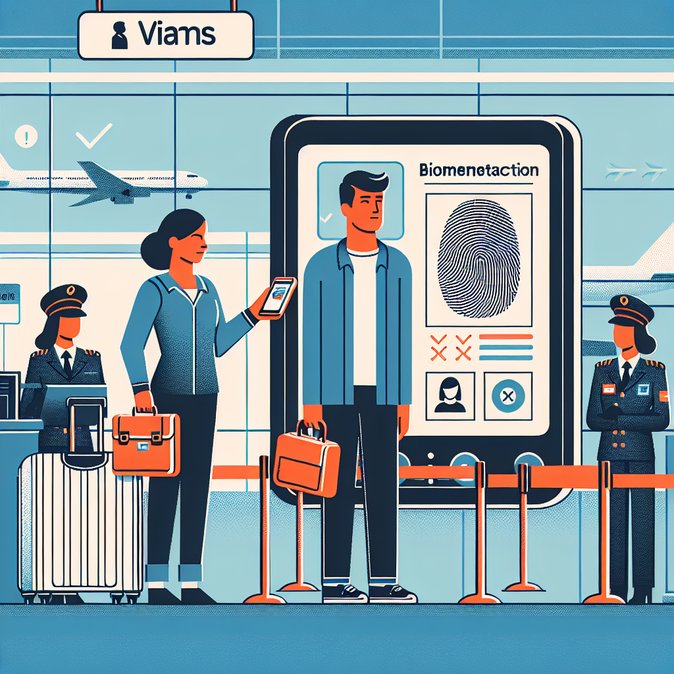
EU Entry/Exit-System startet Pflichtbetrieb – deutsche Flughäfen warnen vor längeren Grenzkontrollen
Ab April ist das biometrische Entry/Exit-System in Deutschland Pflicht. Drittstaatsangehörige müssen Fingerabdrücke und Gesichtsbilder erfassen lassen, Fluglinien müssen Visa vorab digital prüfen. Das erschwert Overstay-Tricks und erfordert von Unternehmen präzisere Reiseplanung, kann aber zunächst zu längeren Wartezeiten an deutschen Flughäfen führen.
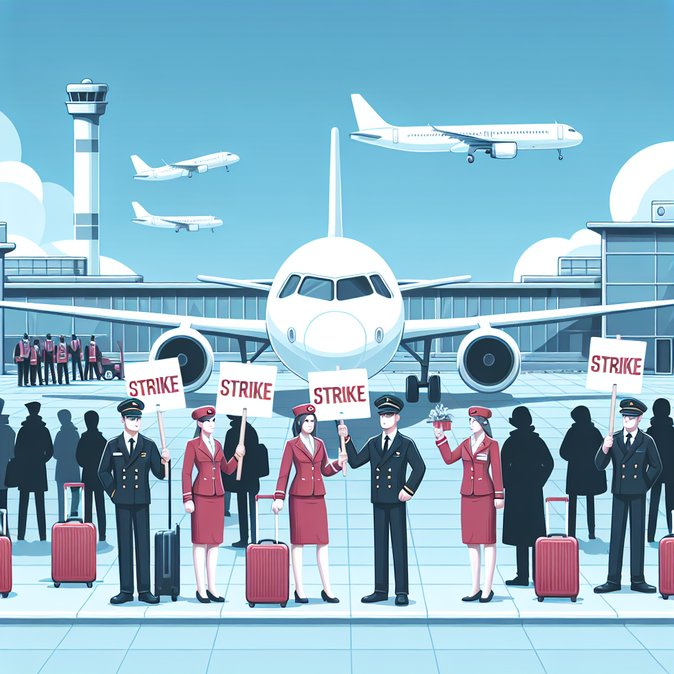
Easter Monday Disruption Looms as easyJet France Cabin Crew Call 6-April Strike
UNAC, the main cabin-crew union at easyJet France, has called a 24-hour strike for 6 April, demanding improved scheduling stability and better fatigue management after crews rejected the 2026 pay-and-conditions deal. The stoppage threatens heavy flight cancellations on a peak holiday travel day, forcing companies and travellers to build contingency plans. The action underscores growing labour tensions in Europe’s low-cost sector as carriers juggle post-war fuel volatility and staff shortages.

Draft regulation ends visa-free work option for citizens of Colombia, Georgia and Venezuela
A draft regulation now under inter-ministerial review will bar citizens of Colombia, Georgia and Venezuela from working in Poland while on a visa-free stay, forcing them to obtain a national visa or residence card. The move, driven by concerns over illegal job-hopping and Schengen pressure, will lengthen onboarding timelines and require employers to tighten document checks.

AFP steps up airport patrols and behavioural crackdown ahead of Easter travel rush
The AFP has launched high-visibility policing operations at all major airports for the Easter peak, warning passengers that intoxication or disruptive conduct will attract swift prosecution. Extra officers and canine teams will patrol terminals, while the agency highlighted more than 5,300 aviation incidents already this year. Travellers are urged to arrive early and remain patient; businesses should adjust duty-of-care guidance accordingly.

Brussels Airport urges EU to soften EES rollout as missed-flight tally mounts
Following days of severe congestion, Brussels Airport has asked the Belgian Government to press the EU for more wiggle-room in the new Entry/Exit System schedule. The airport cites 600 missed flights and prolonged queues as evidence that the current rollout is unworkable without extra staffing and revised passenger-flow rules.

Switzerland Temporarily Re-imposes Visas on Georgian Diplomatic and Service Passport Holders
From 3 April 2026, Georgian diplomatic, official and service passport holders will once again need a visa to enter Switzerland. The move aligns Switzerland with the EU’s decision to suspend visa-free access for certain Georgian officials for at least one year. Business and multilateral delegations will face longer lead times, while regular Georgian citizens remain visa-exempt.

Czechia to Lift EU Blue Card Salary Threshold to CZK 73,833 From 1 May
Czechia will increase the EU Blue Card minimum salary to CZK 73,833 per month on 1 May 2026. Employers must update all new and pending Blue Card applications to meet the higher threshold or face refusals. The move reflects robust wage growth and will raise assignment costs for multinationals but should not dampen overall demand for the permit.

Finland Ends Kela Benefits for Residents Without Valid Residence Permits
From 1 April 2026, Kela will withhold residence-based benefits from anyone without a valid Finnish residence permit. Payments now cease immediately upon a negative Migri decision, even during appeals. Employers must track permit renewals closely, and migrants risk losing housing, child and medical allowances if their status lapses.

‘Global Talent Carnival’ opens in Kwun Tong as Hong Kong doubles down on talent drive
Hong Kong’s spring Global Talent Carnival has kicked off with 200+ employers and on-site immigration counters for fast-tracking Top Talent Pass and Quality Migrant visas. Officials highlighted Hong Kong’s rise to ninth in the global talent league and unveiled new compliance steps for TTPS holders, underlining the city’s intensified push to lure and retain high-skilled workers.

EU biometric Entry/Exit System goes live 10 April—Irish travellers warned to expect longer queues
From 10 April the EU’s new biometric border regime replaces passport stamping. While Ireland sits outside Schengen, Irish citizens and residents transiting Schengen airports face extra processing time, meaning businesses should pad schedules and brief travellers now.

Italian Coast Guard Recovers 19 Bodies After Deadly Lampedusa Crossing
Nineteen migrants were found dead and 58 rescued from a drifting boat south of Lampedusa on 1 April. The tragedy pushes the 2026 central-Mediterranean death toll to 624 and will intensify Italy’s calls for stricter EU migration controls. Companies should review travel-risk protocols and track policy changes that could affect legal hiring channels.