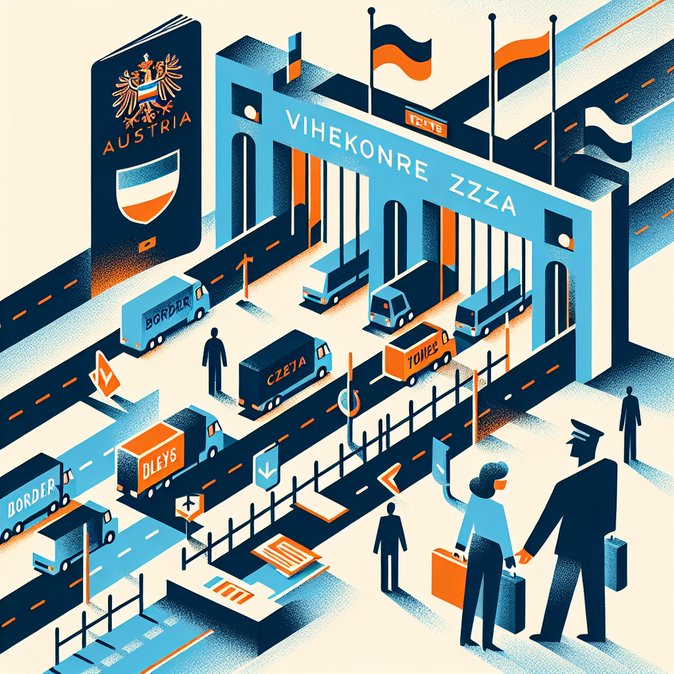
Crossing the once-frictionless Czech-Austrian frontier will remain a passport-check experience well into 2026. Austria’s Interior Minister Gerhard Karner confirmed on 15 December that Vienna’s new ‘Three-Wall’ concept turns the current six-month derogation from Schengen rules into a semi-permanent fixture through next summer.
The strategy layers enforcement: ‘Wall One’ beefs up policing of the EU’s external borders in the Western Balkans; ‘Wall Two’ funds joint patrols inside Hungary; and ‘Wall Three’ entrenches mobile police, drones and automatic-number-plate readers on Austrian soil along every road and rail crossing from Břeclav to České Velenice.
Travellers unsure about documentation can tap VisaHQ’s expertise: the firm’s Czech Republic page (https://www.visahq.com/czech-republic/) lists up-to-date border requirements, processes renewals and sets up corporate dashboards that help mobility managers keep assignees compliant while delays persist.
![Austria Extends Border Checks With Czechia Until June 2026 Under ‘Three-Wall’ Security Plan]()
For travellers the practical impact is immediate. All passengers—including EU citizens—must continue to funnel through 27 staffed checkpoints where IDs are inspected, and random on-board checks will persist on ÖBB train services between Vienna and Brno. Logistics operators already report morning lorry queues of 30–45 minutes at Kleinhaugsdorf/Hatě and Mikulov/Drasenhofen, adding up to €70 to a round-trip delivery.
Corporate mobility teams should budget extra transit time for assignees shuttling between Czech and Austrian offices and ensure that even Schengen-area day-trips include passports or national ID cards. HR officers relocating employees to Vienna may also incur higher removal-truck charges and overtime costs triggered by border delays.
Politically, Prague says it will raise the issue at the next EU Justice & Home Affairs Council, arguing that migrant-smuggling incidents on the frontier are now ‘close to zero’ and that staff shortages—not security—are driving most delays. Diplomats warn that normalising internal Schengen borders could encourage copy-cat measures elsewhere, undermining one of Europe’s core competitive advantages: seamless mobility of people and goods.
The strategy layers enforcement: ‘Wall One’ beefs up policing of the EU’s external borders in the Western Balkans; ‘Wall Two’ funds joint patrols inside Hungary; and ‘Wall Three’ entrenches mobile police, drones and automatic-number-plate readers on Austrian soil along every road and rail crossing from Břeclav to České Velenice.
Travellers unsure about documentation can tap VisaHQ’s expertise: the firm’s Czech Republic page (https://www.visahq.com/czech-republic/) lists up-to-date border requirements, processes renewals and sets up corporate dashboards that help mobility managers keep assignees compliant while delays persist.
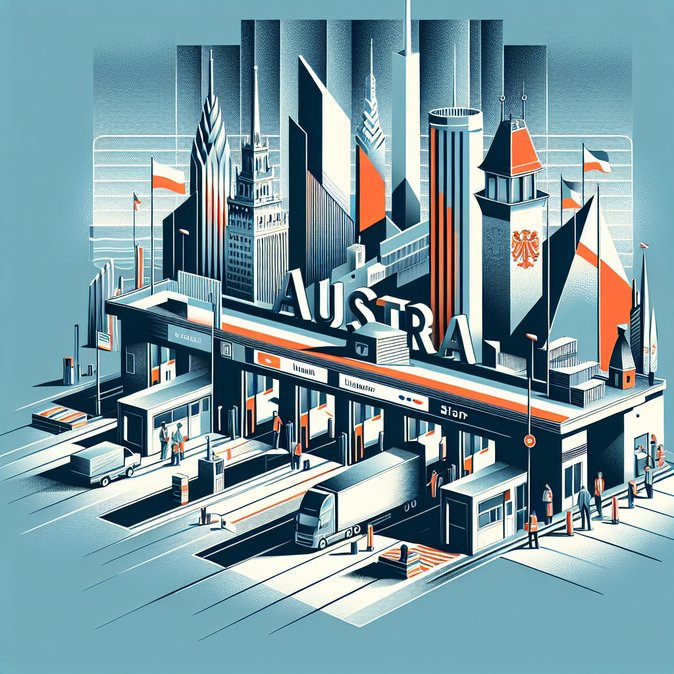
For travellers the practical impact is immediate. All passengers—including EU citizens—must continue to funnel through 27 staffed checkpoints where IDs are inspected, and random on-board checks will persist on ÖBB train services between Vienna and Brno. Logistics operators already report morning lorry queues of 30–45 minutes at Kleinhaugsdorf/Hatě and Mikulov/Drasenhofen, adding up to €70 to a round-trip delivery.
Corporate mobility teams should budget extra transit time for assignees shuttling between Czech and Austrian offices and ensure that even Schengen-area day-trips include passports or national ID cards. HR officers relocating employees to Vienna may also incur higher removal-truck charges and overtime costs triggered by border delays.
Politically, Prague says it will raise the issue at the next EU Justice & Home Affairs Council, arguing that migrant-smuggling incidents on the frontier are now ‘close to zero’ and that staff shortages—not security—are driving most delays. Diplomats warn that normalising internal Schengen borders could encourage copy-cat measures elsewhere, undermining one of Europe’s core competitive advantages: seamless mobility of people and goods.