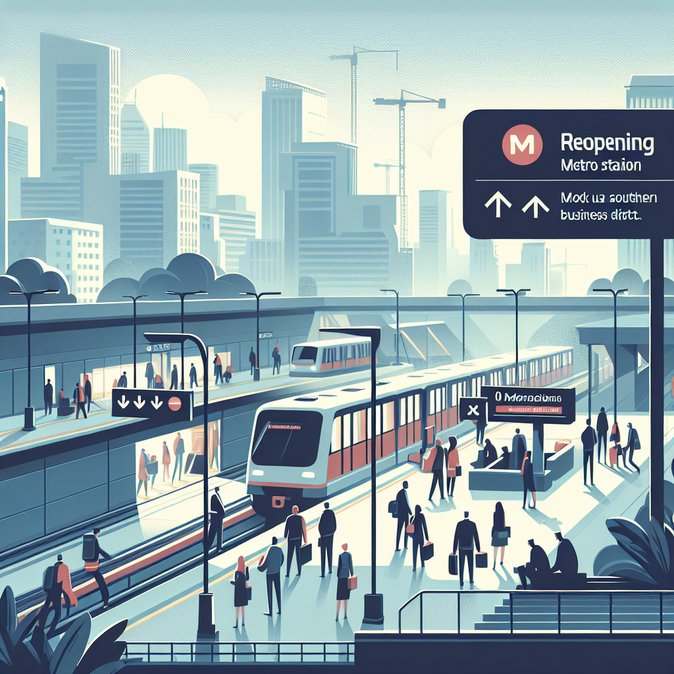
Prague’s metro map will look whole again in less than two weeks. Deputy-Mayor for Transport Zdeněk Hřib confirmed on 7 December that Pankrác station on Metro Line C will reopen for passenger service on 19 December—17 days ahead of the city’s own deadline. The stop, located beneath the Pankrác shopping complex in Prague 4, has been closed since January for a CZK 1.1 billion overhaul tied to construction of the new driver-less Metro Line D.
The revamp goes far beyond cosmetic repairs. Crews replaced three ageing escalators with heavy-duty models built for continuous traffic, installed a barrier-free lift from street level to the platform, laid new fire-resistant cabling and waterproofed the tunnel ceiling. Most important for future mobility, engineers dug an underground concourse that will connect Line C directly to Line D when the first section of the driver-less route opens in 2029. The design will create the network’s first true cross-platform transfer and is expected to cut door-to-door travel times between the city’s southern suburbs and the business districts around Florenc by up to 12 minutes.
For foreign professionals and tourists who want to take advantage of Prague’s ever-improving transport system, VisaHQ can streamline the visa process before you even pack a suitcase. The company’s step-by-step online platform (https://www.visahq.com/czech-republic/) covers everything from short-stay Schengen visas to long-term work and residence permits, with optional courier pickup and expert document review that save you time—so your biggest worry is choosing which metro line to ride first.
![Prague’s Pankrác Hub to Re-open 19 December, Restoring Key Metro Link for Commuters and Expat Workers]()
Pankrác sits at the heart of one of Prague’s fastest-growing office clusters, home to scores of multinational shared-services centres and tech start-ups that collectively employ more than 15,000 foreign professionals. During the 11-month closure, workers faced a detour via neighbouring Budějovická, adding as much as 15 minutes to peak-hour commutes and overwhelming replacement bus services. Property managers in the nearby City Tower and Trimaran complexes estimate absenteeism costs topping CZK 20 million (€810,000) as employees abandoned public transport for cars or remote work on short notice.
Businesses now anticipate immediate productivity gains. “Line C is the backbone for our 24-hour support teams,” said Marie Pastorová, HR director at SAP’s Prague Delivery Centre. “Every minute shaved off a shift change translates into real savings on overtime and taxi reimbursements.” Retailers in the Arkády Pankrác mall are equally enthusiastic; daily footfall fell by 25 per cent during the closure despite targeted discounts aimed at local residents.
Looking ahead, the city plans similar accessibility upgrades at four more interchange stations and is piloting mobile ticketing gates that integrate with the European Union’s forthcoming Entry/Exit System (EES). For the thousands of expatriate workers and frequent business travellers who make Prague their base, a faster, more reliable metro network is set to become a decisive quality-of-life factor—and a selling point for corporate mobility teams weighing Central-European locations.
The revamp goes far beyond cosmetic repairs. Crews replaced three ageing escalators with heavy-duty models built for continuous traffic, installed a barrier-free lift from street level to the platform, laid new fire-resistant cabling and waterproofed the tunnel ceiling. Most important for future mobility, engineers dug an underground concourse that will connect Line C directly to Line D when the first section of the driver-less route opens in 2029. The design will create the network’s first true cross-platform transfer and is expected to cut door-to-door travel times between the city’s southern suburbs and the business districts around Florenc by up to 12 minutes.
For foreign professionals and tourists who want to take advantage of Prague’s ever-improving transport system, VisaHQ can streamline the visa process before you even pack a suitcase. The company’s step-by-step online platform (https://www.visahq.com/czech-republic/) covers everything from short-stay Schengen visas to long-term work and residence permits, with optional courier pickup and expert document review that save you time—so your biggest worry is choosing which metro line to ride first.
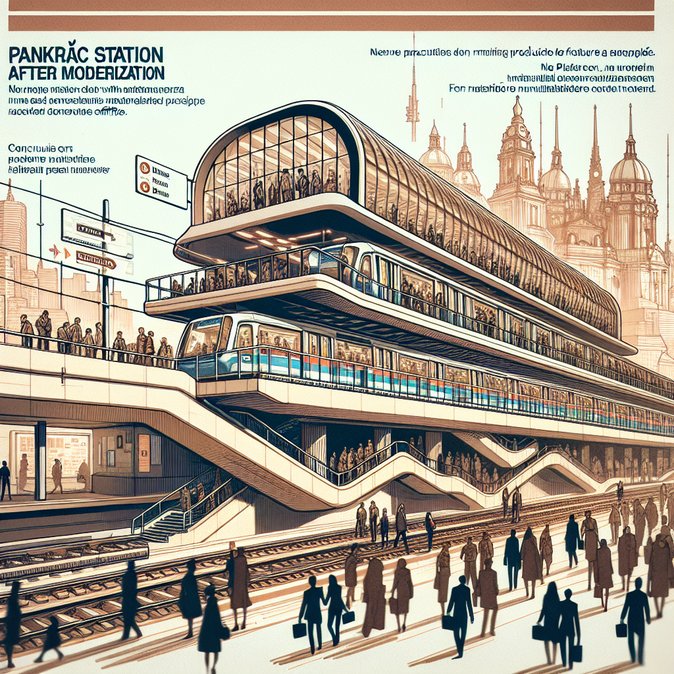
Pankrác sits at the heart of one of Prague’s fastest-growing office clusters, home to scores of multinational shared-services centres and tech start-ups that collectively employ more than 15,000 foreign professionals. During the 11-month closure, workers faced a detour via neighbouring Budějovická, adding as much as 15 minutes to peak-hour commutes and overwhelming replacement bus services. Property managers in the nearby City Tower and Trimaran complexes estimate absenteeism costs topping CZK 20 million (€810,000) as employees abandoned public transport for cars or remote work on short notice.
Businesses now anticipate immediate productivity gains. “Line C is the backbone for our 24-hour support teams,” said Marie Pastorová, HR director at SAP’s Prague Delivery Centre. “Every minute shaved off a shift change translates into real savings on overtime and taxi reimbursements.” Retailers in the Arkády Pankrác mall are equally enthusiastic; daily footfall fell by 25 per cent during the closure despite targeted discounts aimed at local residents.
Looking ahead, the city plans similar accessibility upgrades at four more interchange stations and is piloting mobile ticketing gates that integrate with the European Union’s forthcoming Entry/Exit System (EES). For the thousands of expatriate workers and frequent business travellers who make Prague their base, a faster, more reliable metro network is set to become a decisive quality-of-life factor—and a selling point for corporate mobility teams weighing Central-European locations.