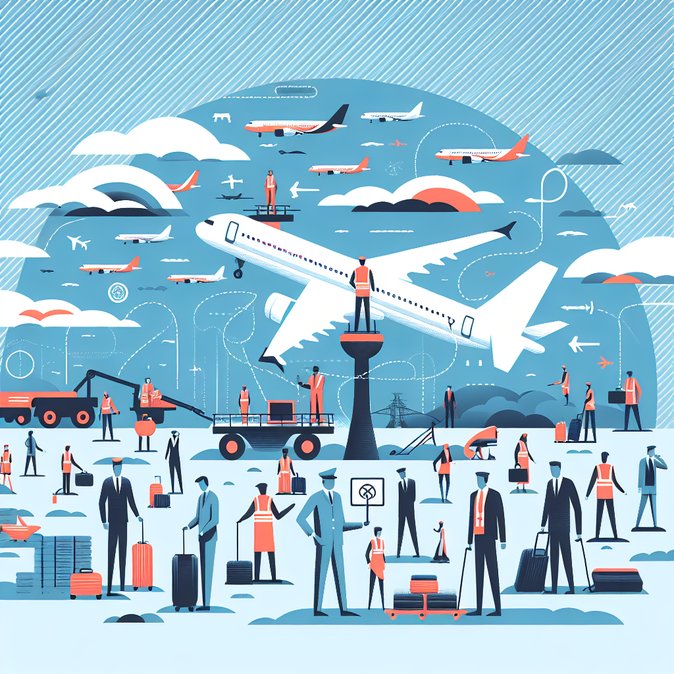
Italy’s long-running labour dispute in the aviation sector boiled over again on Saturday, 6 December, when unions representing baggage handlers, security screeners and ramp agents walked off the job nationwide between 10:00 and 18:00. Pilots and cabin crew at Vueling joined the action for the full eight hours, while Malta Air (a Ryanair wet-lease carrier) pilots staged a four-hour stoppage from noon. The coordinated strike paralysed passenger operations at every major airport—from Milan-Malpensa and Linate to Rome-Fiumicino, Naples and Catania—as well as dozens of regional fields.
Consumer group Codacons estimates that around 1,000 flights were pre-emptively cancelled, disrupting travel plans for roughly 250,000 passengers at the start of the Immaculate Conception holiday weekend. Naples International alone scrapped 118 rotations, while the twin Milan airports lost roughly 150. Flag-carrier ITA Airways cancelled 133 domestic and international services. Travellers complained of long queues for rebooking and luggage reclaim, and hotels near hub airports reported a spike in last-minute bookings.
![Italy’s Airport Staff Strike Grounds Over 1,000 Flights on 6 December]()
Unions are demanding higher wages, back-pay for Sunday work and uniform treatment of allowances across Italy’s fragmented ground-handling market. They say consolidation by global handling giants has squeezed head-count and shifted costs onto staff. Employers counter that margins remain razor-thin after two years of pandemic-related losses and a summer of record fuel prices. The parties left a 5 December mediation session at the Ministry of Transport without agreement, prompting Saturday’s strike.
For corporate mobility managers the timing is painful. Early December marks the last big conference and expatriate-home-leave window before Christmas. Multinationals with fly-in/fly-out staff to Italian plants scrambled to reroute employees via neighbouring hubs such as Zurich, Nice and Vienna or pushed trips into next week. Travel-risk consultants urged firms to remind staff of EU 261/2004 compensation rights, keep receipts for extra hotel nights and avoid checked baggage where possible.
Transport Minister Matteo Salvini said he will reconvene unions, ENAC (the civil-aviation regulator) and airport employers on 9 December, but warned that the government will not rule out imposing minimum-service guarantees during the peak holiday fortnight. If talks fail, unions have threatened fresh 24-hour walk-outs around New Year’s Eve—a scenario that could ripple across Europe’s already strained winter schedules.
Consumer group Codacons estimates that around 1,000 flights were pre-emptively cancelled, disrupting travel plans for roughly 250,000 passengers at the start of the Immaculate Conception holiday weekend. Naples International alone scrapped 118 rotations, while the twin Milan airports lost roughly 150. Flag-carrier ITA Airways cancelled 133 domestic and international services. Travellers complained of long queues for rebooking and luggage reclaim, and hotels near hub airports reported a spike in last-minute bookings.
Unions are demanding higher wages, back-pay for Sunday work and uniform treatment of allowances across Italy’s fragmented ground-handling market. They say consolidation by global handling giants has squeezed head-count and shifted costs onto staff. Employers counter that margins remain razor-thin after two years of pandemic-related losses and a summer of record fuel prices. The parties left a 5 December mediation session at the Ministry of Transport without agreement, prompting Saturday’s strike.
For corporate mobility managers the timing is painful. Early December marks the last big conference and expatriate-home-leave window before Christmas. Multinationals with fly-in/fly-out staff to Italian plants scrambled to reroute employees via neighbouring hubs such as Zurich, Nice and Vienna or pushed trips into next week. Travel-risk consultants urged firms to remind staff of EU 261/2004 compensation rights, keep receipts for extra hotel nights and avoid checked baggage where possible.
Transport Minister Matteo Salvini said he will reconvene unions, ENAC (the civil-aviation regulator) and airport employers on 9 December, but warned that the government will not rule out imposing minimum-service guarantees during the peak holiday fortnight. If talks fail, unions have threatened fresh 24-hour walk-outs around New Year’s Eve—a scenario that could ripple across Europe’s already strained winter schedules.