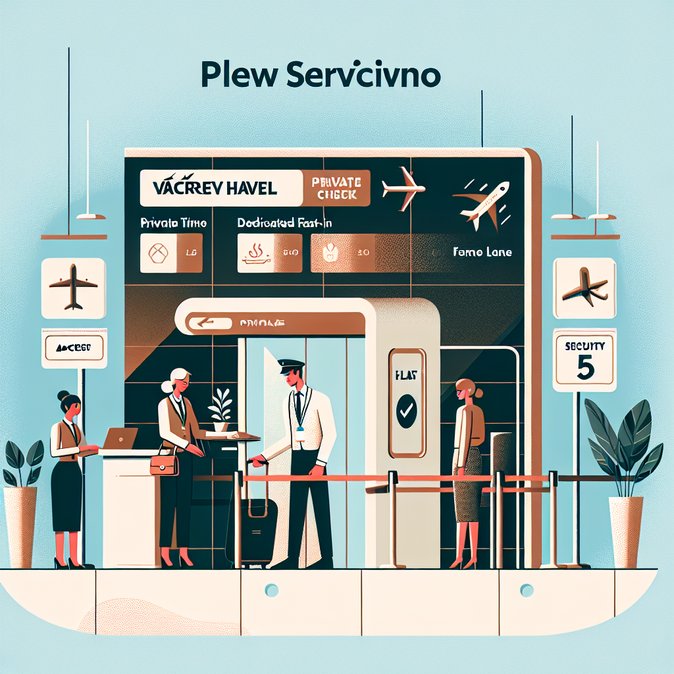
Business travellers departing Prague for Schengen destinations now have a new way to dodge peak-season queues. Letiště Praha quietly opened a “Private Check-in Service” in Terminal 2 on 1 December and formally unveiled the product on 4 December 2025. For a flat CZK 1,950 (€79) passengers hand over their luggage to a dedicated agent, relax in an upgraded fast-track lounge and clear security through an exclusive lane that bypasses the main checkpoint. Children under three go free; those aged 3–14 pay CZK 720.
The bundle is the first visible element of PRG’s “Ready for the Future” strategy, which aims to smooth passenger flow before EU biometric Entry/Exit System (EES) requirements take full effect in 2026. The price includes two 23-kg checked bags, shower facilities, high-speed Wi-Fi and light catering. Travellers can book online up to two hours before departure, and the service will be integrated into major corporate travel-management platforms next week.
![Prague Airport Launches Private Check-in & Fast-Track Package for Schengen Flyers]()
Why it matters: Schengen routes account for more than 60 % of Czech business-travel itineraries, and queue times at security have lengthened since staff were re-allocated to EES booths for non-EU arrivals. Travel managers now have a costed option to guarantee predictable dwell times for senior executives transiting Prague. Analysts note that the offer undercuts comparable fast-track services at Vienna and Munich by roughly 15 %.
Corporate uptake looks promising. Two Czech-based multinationals told VisaHQ they plan to bulk-buy transferable vouchers so last-minute travellers can opt-in without departmental budget approvals. The airport is exploring an annual corporate subscription and may extend the product to Terminal 1 (non-Schengen) once additional security lanes come online in mid-2026.
For mobility professionals, the key takeaway is that airports are adapting commercial products to offset the operational friction created by new EU border-tech mandates. Companies should update policy guidelines to let employees expense the service where time savings justify the cost.
The bundle is the first visible element of PRG’s “Ready for the Future” strategy, which aims to smooth passenger flow before EU biometric Entry/Exit System (EES) requirements take full effect in 2026. The price includes two 23-kg checked bags, shower facilities, high-speed Wi-Fi and light catering. Travellers can book online up to two hours before departure, and the service will be integrated into major corporate travel-management platforms next week.

Why it matters: Schengen routes account for more than 60 % of Czech business-travel itineraries, and queue times at security have lengthened since staff were re-allocated to EES booths for non-EU arrivals. Travel managers now have a costed option to guarantee predictable dwell times for senior executives transiting Prague. Analysts note that the offer undercuts comparable fast-track services at Vienna and Munich by roughly 15 %.
Corporate uptake looks promising. Two Czech-based multinationals told VisaHQ they plan to bulk-buy transferable vouchers so last-minute travellers can opt-in without departmental budget approvals. The airport is exploring an annual corporate subscription and may extend the product to Terminal 1 (non-Schengen) once additional security lanes come online in mid-2026.
For mobility professionals, the key takeaway is that airports are adapting commercial products to offset the operational friction created by new EU border-tech mandates. Companies should update policy guidelines to let employees expense the service where time savings justify the cost.