The European Union’s push toward friction-free borders just made Prague ground zero for innovation. On 4 December 2025 Brussels authorised a live trial of a voluntary “Digital Travel App” that lets passengers complete Entry/Exit System (EES) formalities on their phone before departure. Czech Border Police confirmed that Václav Havel Airport (PRG) will run the three-month pilot in Q1 2026 on selected flights from Dubai, Tel Aviv and New York.
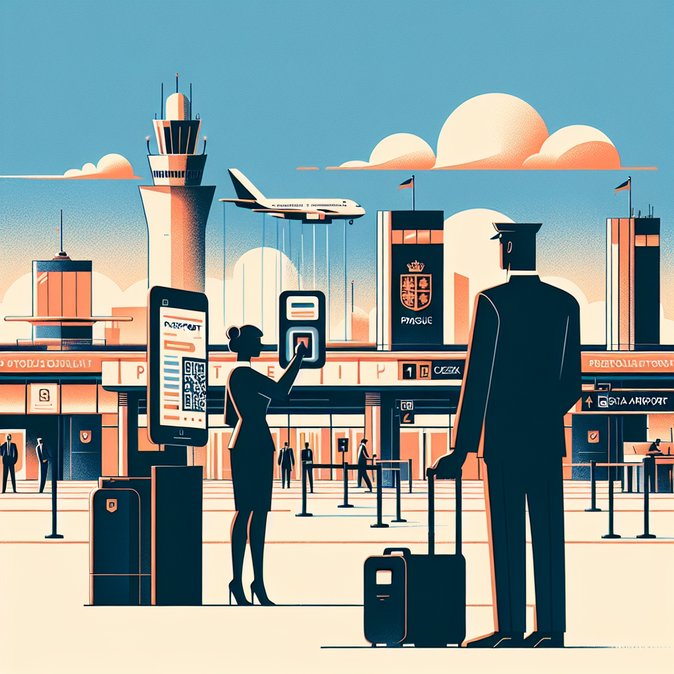
Developed by EU tech agency eu-LISA, the app scans the traveller’s e-passport chip, captures a selfie and short risk-screening questionnaire, then generates a QR code. On arrival, scanning the code at an automated e-gate triggers a near-instant match with data already in the EES, slashing processing time. Modelling suggests average clearance could fall from 6 minutes at manual booths to 90 seconds, freeing officers to focus on high-risk profiles.
![EU Selects Prague for First Pilot of Smartphone “Digital Travel App”]()
For Czech employers, the upside is tangible. Travel-management firm CWT estimates that a mid-sized Prague-headquartered company books around 4,200 intra-EU trips per year; shaving three minutes per passenger would save roughly 210 work hours. But mobility teams will have homework: travellers must still comply with ETIAS once it goes live in 2026, and companies will need protocols for storing biometric data in line with Czech and EU privacy rules.
Border Police plan multilingual webinars for corporate travel managers in February and will publish a passenger guide in Czech, English, Ukrainian and Vietnamese. If Prague’s pilot succeeds, Frankfurt, Amsterdam and Barcelona are pencilled in for roll-out by late 2026, positioning Czechia as an early influencer of how the app evolves.
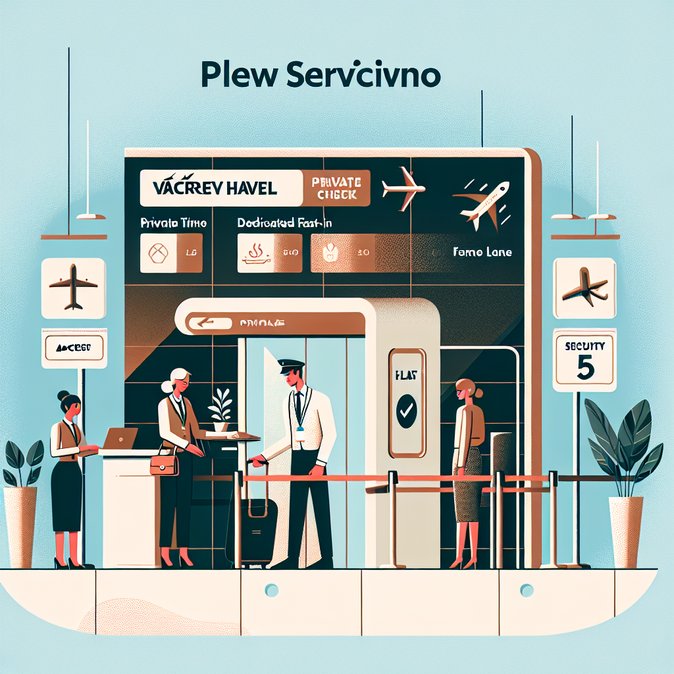
The pilot dovetails with Prague Airport’s broader digital-transformation agenda, including new CT scanners that removed liquids restrictions at Terminal 2 and this week’s debut of a private check-in fast-track lane. Together, these initiatives signal how Czechia intends to stay ahead of looming Schengen tech mandates.
Developed by EU tech agency eu-LISA, the app scans the traveller’s e-passport chip, captures a selfie and short risk-screening questionnaire, then generates a QR code. On arrival, scanning the code at an automated e-gate triggers a near-instant match with data already in the EES, slashing processing time. Modelling suggests average clearance could fall from 6 minutes at manual booths to 90 seconds, freeing officers to focus on high-risk profiles.

For Czech employers, the upside is tangible. Travel-management firm CWT estimates that a mid-sized Prague-headquartered company books around 4,200 intra-EU trips per year; shaving three minutes per passenger would save roughly 210 work hours. But mobility teams will have homework: travellers must still comply with ETIAS once it goes live in 2026, and companies will need protocols for storing biometric data in line with Czech and EU privacy rules.
Border Police plan multilingual webinars for corporate travel managers in February and will publish a passenger guide in Czech, English, Ukrainian and Vietnamese. If Prague’s pilot succeeds, Frankfurt, Amsterdam and Barcelona are pencilled in for roll-out by late 2026, positioning Czechia as an early influencer of how the app evolves.
The pilot dovetails with Prague Airport’s broader digital-transformation agenda, including new CT scanners that removed liquids restrictions at Terminal 2 and this week’s debut of a private check-in fast-track lane. Together, these initiatives signal how Czechia intends to stay ahead of looming Schengen tech mandates.