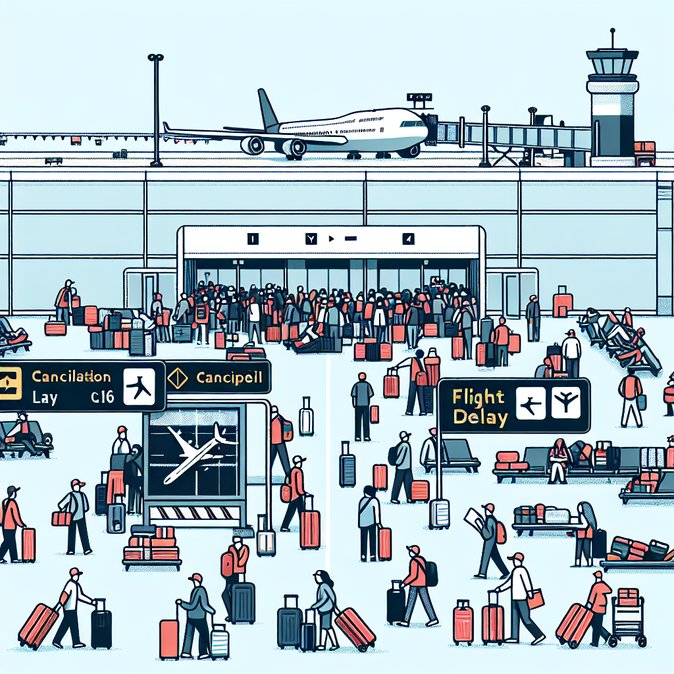
A fresh data analysis published on 4 December 2025 by travel research firm Sail Croatia delivers unwelcome news for Austria’s main gateway: Vienna International Airport (VIE) ranks alongside Heathrow, Newark Liberty and Madrid-Barajas as one of the globe’s most aggravating airports for passengers.
Researchers evaluated fifty major airports on three criteria that matter most to flyers—flight-delay frequency, passenger density (terminal overcrowding) and online search volume for lost-baggage help. Vienna scored poorly on each metric, reflecting a post-pandemic surge in demand that is stretching a two-runway infrastructure already deemed “sufficient but tight” after last week’s decision to scrap the long-planned third runway.
![New study places Vienna International Airport among the world’s most frustrating hubs for travellers]()
For business-travel managers the findings translate into higher schedule-risk when routing executives through VIE, especially during morning and late-afternoon peaks. Airlines at the airport have quietly advised premium-tier customers to allow at least 30 minutes’ additional buffer on departures until staffing and the new EU Entry/Exit System (EES) queues stabilise.
Airport operator Flughafen Wien AG responded by highlighting recent investments in automated security lanes and additional border-control staff, but conceded that “short-term operational pain” is likely until terminal expansion works conclude in 2027. Meanwhile, trade bodies are urging the government to revisit Austria’s air-passenger tax, which carriers such as Ryanair blame for hampering the airport’s competitiveness.
Travellers can mitigate disruption by checking in online, travelling with carry-on luggage where possible, and keeping digital copies of bag tags for faster tracing. Corporations with time-critical itineraries may wish to explore alternative routings via Munich or Prague until on-time-performance indicators improve.
Researchers evaluated fifty major airports on three criteria that matter most to flyers—flight-delay frequency, passenger density (terminal overcrowding) and online search volume for lost-baggage help. Vienna scored poorly on each metric, reflecting a post-pandemic surge in demand that is stretching a two-runway infrastructure already deemed “sufficient but tight” after last week’s decision to scrap the long-planned third runway.
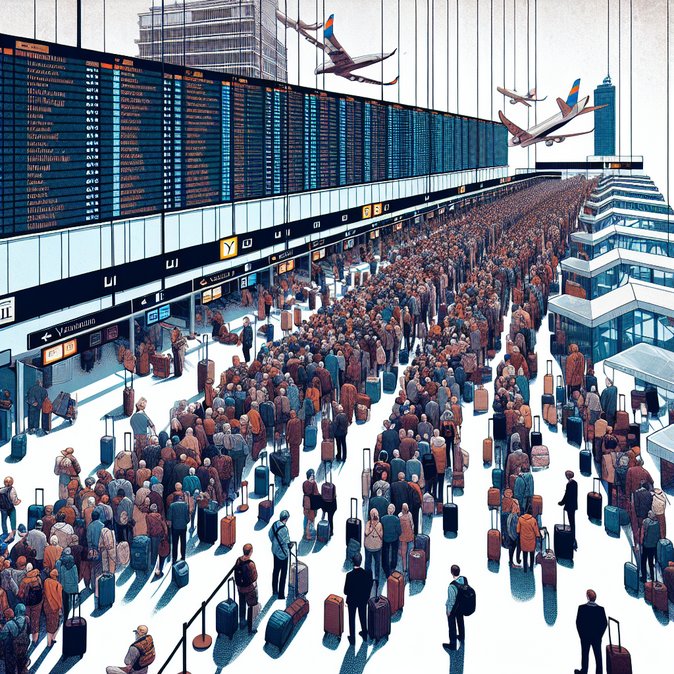
For business-travel managers the findings translate into higher schedule-risk when routing executives through VIE, especially during morning and late-afternoon peaks. Airlines at the airport have quietly advised premium-tier customers to allow at least 30 minutes’ additional buffer on departures until staffing and the new EU Entry/Exit System (EES) queues stabilise.
Airport operator Flughafen Wien AG responded by highlighting recent investments in automated security lanes and additional border-control staff, but conceded that “short-term operational pain” is likely until terminal expansion works conclude in 2027. Meanwhile, trade bodies are urging the government to revisit Austria’s air-passenger tax, which carriers such as Ryanair blame for hampering the airport’s competitiveness.
Travellers can mitigate disruption by checking in online, travelling with carry-on luggage where possible, and keeping digital copies of bag tags for faster tracing. Corporations with time-critical itineraries may wish to explore alternative routings via Munich or Prague until on-time-performance indicators improve.