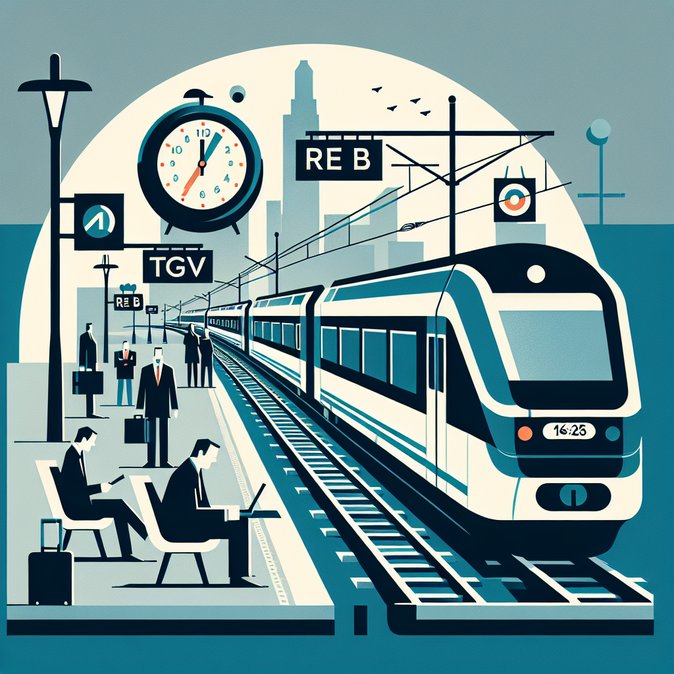
France woke up on 2 December to its largest multi-sector walkout since the summer as CGT, Solidaires and FSU unions staged a 24-hour strike against planned 2026 budget cuts. Mobility managers felt the impact immediately: SNCF trimmed frequencies on core TGV and Intercités lines, while the RATP warned of irregular service on the RER B, the lifeline between central Paris and Charles-de-Gaulle (CDG) and Orly (ORY) airports.
Although the civil-aviation authority stopped short of invoking minimum-service rules for air-traffic controllers, the knock-on disruption was severe. Travel-risk consultants recorded journeys of up to 90 minutes from La Défense to CDG—double the norm—as ride-share demand spiked. Adept.Travel advised passengers to schedule at least four hours between train arrivals and flight departures and, where possible, book hotels within walking distance of major stations.
![Nation-wide public-sector strike snarls rail and Paris RER links to CDG]()
The strike also closed hundreds of schools, slowed hospital outpatient clinics and blocked key boulevards as marches swept through central Paris. Business travellers reported missed client meetings and delayed onward rail connections to Brussels and London.
Union leaders warned of further stoppages if the draft budget, which eliminates 4,000 teaching posts, is not amended. Global-mobility teams are reviewing contingency dates and updating assignment letters to incorporate ‘strike clauses’ covering delays, additional accommodation and per-diem extensions.
For companies managing year-end relocations or fly-in maintenance crews, the lesson is clear: factor labour volatility into project timelines and build generous buffers around any December travel through France’s rail hubs.
Although the civil-aviation authority stopped short of invoking minimum-service rules for air-traffic controllers, the knock-on disruption was severe. Travel-risk consultants recorded journeys of up to 90 minutes from La Défense to CDG—double the norm—as ride-share demand spiked. Adept.Travel advised passengers to schedule at least four hours between train arrivals and flight departures and, where possible, book hotels within walking distance of major stations.

The strike also closed hundreds of schools, slowed hospital outpatient clinics and blocked key boulevards as marches swept through central Paris. Business travellers reported missed client meetings and delayed onward rail connections to Brussels and London.
Union leaders warned of further stoppages if the draft budget, which eliminates 4,000 teaching posts, is not amended. Global-mobility teams are reviewing contingency dates and updating assignment letters to incorporate ‘strike clauses’ covering delays, additional accommodation and per-diem extensions.
For companies managing year-end relocations or fly-in maintenance crews, the lesson is clear: factor labour volatility into project timelines and build generous buffers around any December travel through France’s rail hubs.