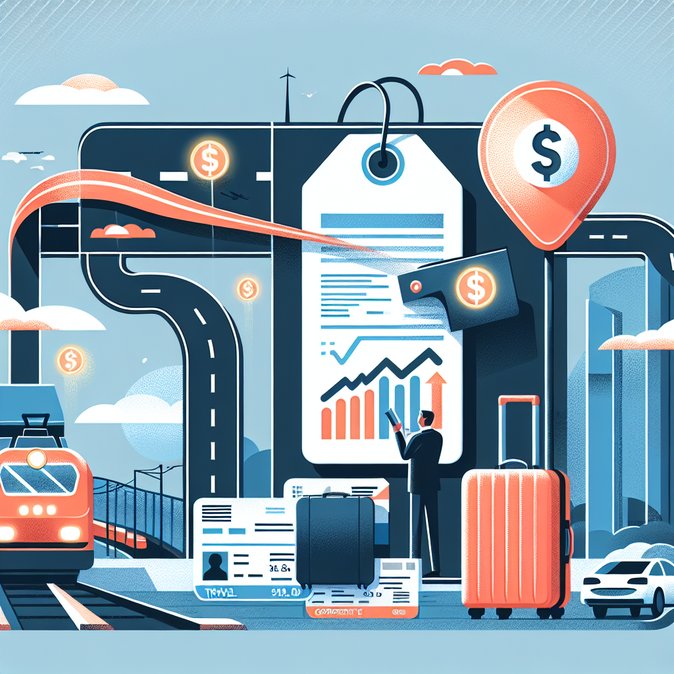
Austria’s new budget cycle has brought incremental but noticeable cost pressures for mobility programmes. On 1 December the annual motorway vignette price rose 2.9 % to €106.80, while state-owned rail operator ÖBB confirmed an average 3.5 % fare increase that will kick in with the 14 December timetable.
For companies running sales fleets or car-rental pools, the vignette hike adds roughly €3 per vehicle; fines for driving without a valid sticker remain at €120. Authorities plan intensified roadside inspections ahead of the ski season, and consumer watchdogs warn of a spike in fake vignette websites.
![Motorway Toll and Rail Fare Hikes Raise Corporate Travel Costs in Austria]()
ÖBB’s fare adjustment affects popular Railjet links from Vienna to Munich, Prague and Budapest as well as domestic trunk lines. Although advance-purchase Sparschiene tickets remain, the dynamic-pricing reset means last-minute business trips will become more expensive. Firms that rely on the Klimaticket (Austria’s nationwide travel pass) already digested a mid-year price jump, compounding cost escalation.
The Transport Ministry defends the inflation-linked adjustments, arguing they fund infrastructure maintenance without raising general taxation. Looking forward, physical vignette stickers will be phased out by 2027 in favour of a fully digital system—a change expected to reduce fraud and save millions in production costs.
For companies running sales fleets or car-rental pools, the vignette hike adds roughly €3 per vehicle; fines for driving without a valid sticker remain at €120. Authorities plan intensified roadside inspections ahead of the ski season, and consumer watchdogs warn of a spike in fake vignette websites.
ÖBB’s fare adjustment affects popular Railjet links from Vienna to Munich, Prague and Budapest as well as domestic trunk lines. Although advance-purchase Sparschiene tickets remain, the dynamic-pricing reset means last-minute business trips will become more expensive. Firms that rely on the Klimaticket (Austria’s nationwide travel pass) already digested a mid-year price jump, compounding cost escalation.
The Transport Ministry defends the inflation-linked adjustments, arguing they fund infrastructure maintenance without raising general taxation. Looking forward, physical vignette stickers will be phased out by 2027 in favour of a fully digital system—a change expected to reduce fraud and save millions in production costs.