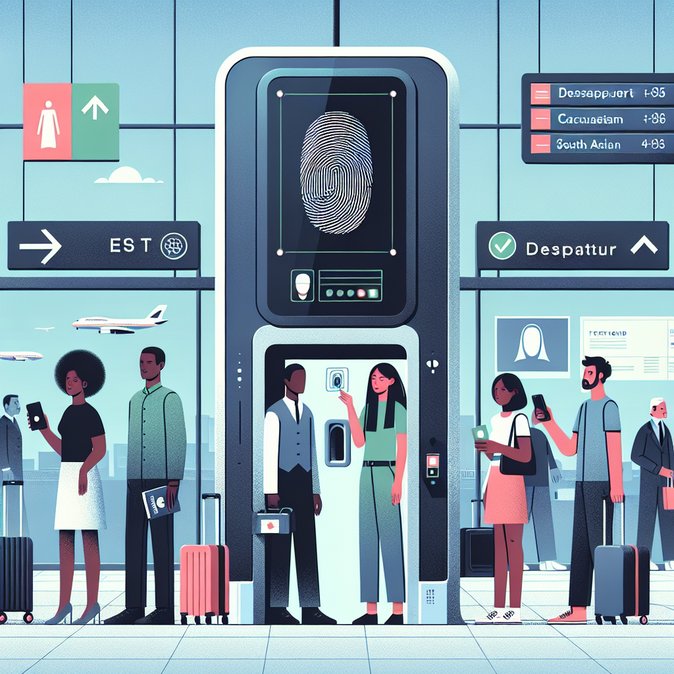
The EU’s long-awaited Entry/Exit System (EES), launched on 12 October 2025, is being phased in across air, land and sea borders, and Austrian authorities have confirmed that Vienna, Salzburg and Innsbruck airports will activate live biometric kiosks during the first quarter of 2026.
The EES records each entry and exit of non-EU nationals, replacing passport stamps with facial-image and fingerprint scans. Once fully operational, the system will automatically flag overstays and feed real-time data to law-enforcement databases. Travellers from visa-waiver countries who frequently shuttle in and out of Austria—consultants, project engineers and tourists—will need to allow extra time at first-time enrolment.
![EU Entry/Exit System Roll-out Gains Pace; Austrian Airports Prepare for Biometric Checks]()
For mobility managers the learning curve is steep. Companies should update briefing notes to explain that the initial capture of biometrics may add 3–5 minutes per traveller, though subsequent crossings should be faster. Airlines are being asked to reinforce communication; failure to present pre-registered travellers could trigger carrier fines.
The European Commission insists the system meets strict data-protection standards, but privacy advocates continue to scrutinise storage periods and access rights. Austria’s Interior Ministry has pledged an information campaign, including signage in English and German at all major airports from January.
The EES records each entry and exit of non-EU nationals, replacing passport stamps with facial-image and fingerprint scans. Once fully operational, the system will automatically flag overstays and feed real-time data to law-enforcement databases. Travellers from visa-waiver countries who frequently shuttle in and out of Austria—consultants, project engineers and tourists—will need to allow extra time at first-time enrolment.

For mobility managers the learning curve is steep. Companies should update briefing notes to explain that the initial capture of biometrics may add 3–5 minutes per traveller, though subsequent crossings should be faster. Airlines are being asked to reinforce communication; failure to present pre-registered travellers could trigger carrier fines.
The European Commission insists the system meets strict data-protection standards, but privacy advocates continue to scrutinise storage periods and access rights. Austria’s Interior Ministry has pledged an information campaign, including signage in English and German at all major airports from January.