Hong Kong’s Immigration Department (ImmD) has moved with unusual speed to keep thousands of displaced residents mobile after last week’s deadly Wang Fuk Court blaze.
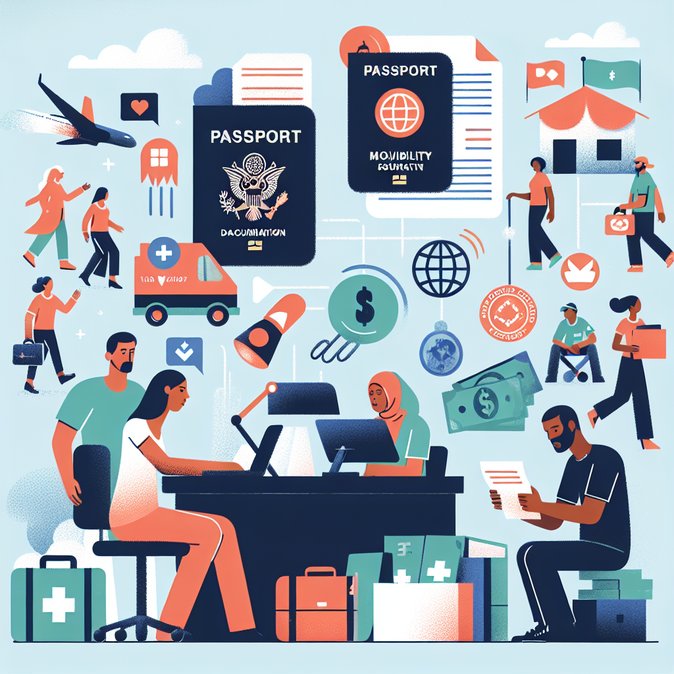
From 1–6 December, the ImmD headquarters in Tseung Kwan O will run special evening counters (6 p.m.–10 p.m. on weekdays, 1 p.m.–10 p.m. on Saturday) exclusively for affected residents. Survivors can apply, free of charge, for replacement Hong Kong smart identity cards, HKSAR passports, Re-entry Permits, Documents of Identity for Visa Purposes and certified copies of birth or marriage records. Officers will also process urgent extensions of stay for anyone whose visa labels were destroyed in the fire, ensuring that foreign domestic helpers and expatriate tenants do not inadvertently overstay.
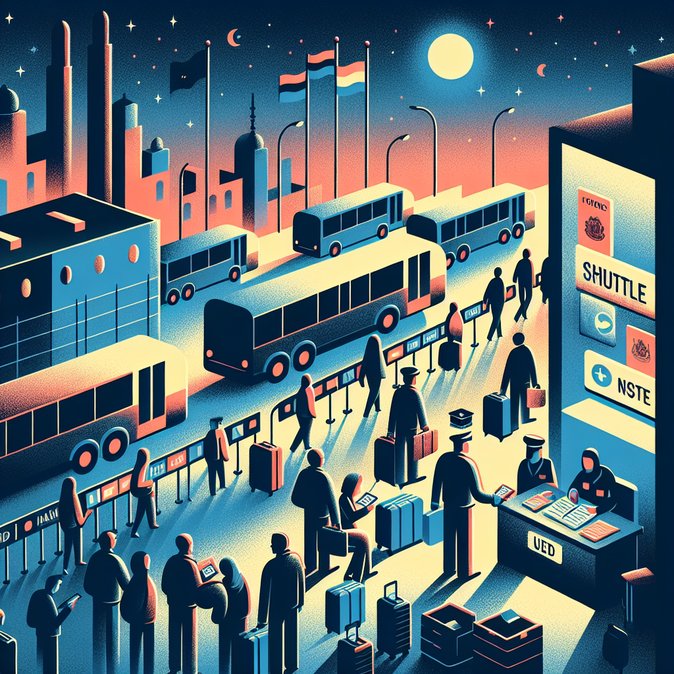
To overcome transport bottlenecks created when the estate was cordoned off, ImmD is running shuttle buses from two temporary shelters in Tai Po directly to its headquarters. Outreach teams have also been dispatched to the shelters to pre-check application forms so that documents can be issued within 48 hours—well inside the usual two-week turnaround.
![Immigration Department Opens Night-time Service Sessions for Fire Victims to Replace Passports and ID Cards]()
Because many families lost their Mainland Travel Permits (Home Return Permits), ImmD has coordinated with China Travel Service to open a parallel counter at Tseung Kwan O where residents can submit replacement applications on the spot. The fast-track arrangement means children who attend school across the border and workers who commute daily to Shenzhen will be able to resume cross-boundary travel before the end of the week.
The pragmatic response highlights lessons learned from Super-Typhoon Mangkhut in 2018 and the pandemic-era border shutdowns, when lack of replacement documents stranded thousands. Corporates with affected staff have been advised to keep copies of all visa labels and identity documents in secure digital form and to remind employees that replacement passports will carry new numbers—travel bookings may need to be updated.
Immigration consultants say the episode underscores the value of including emergency document-reissue clauses in global mobility policies. “Disasters can wipe out passports just as easily as homes. Having a playbook—and a budget line—saves time, money and anxiety for both employer and assignee,” noted Joyce Chan, partner at Relocate HK.
From 1–6 December, the ImmD headquarters in Tseung Kwan O will run special evening counters (6 p.m.–10 p.m. on weekdays, 1 p.m.–10 p.m. on Saturday) exclusively for affected residents. Survivors can apply, free of charge, for replacement Hong Kong smart identity cards, HKSAR passports, Re-entry Permits, Documents of Identity for Visa Purposes and certified copies of birth or marriage records. Officers will also process urgent extensions of stay for anyone whose visa labels were destroyed in the fire, ensuring that foreign domestic helpers and expatriate tenants do not inadvertently overstay.
To overcome transport bottlenecks created when the estate was cordoned off, ImmD is running shuttle buses from two temporary shelters in Tai Po directly to its headquarters. Outreach teams have also been dispatched to the shelters to pre-check application forms so that documents can be issued within 48 hours—well inside the usual two-week turnaround.
Because many families lost their Mainland Travel Permits (Home Return Permits), ImmD has coordinated with China Travel Service to open a parallel counter at Tseung Kwan O where residents can submit replacement applications on the spot. The fast-track arrangement means children who attend school across the border and workers who commute daily to Shenzhen will be able to resume cross-boundary travel before the end of the week.
The pragmatic response highlights lessons learned from Super-Typhoon Mangkhut in 2018 and the pandemic-era border shutdowns, when lack of replacement documents stranded thousands. Corporates with affected staff have been advised to keep copies of all visa labels and identity documents in secure digital form and to remind employees that replacement passports will carry new numbers—travel bookings may need to be updated.
Immigration consultants say the episode underscores the value of including emergency document-reissue clauses in global mobility policies. “Disasters can wipe out passports just as easily as homes. Having a playbook—and a budget line—saves time, money and anxiety for both employer and assignee,” noted Joyce Chan, partner at Relocate HK.