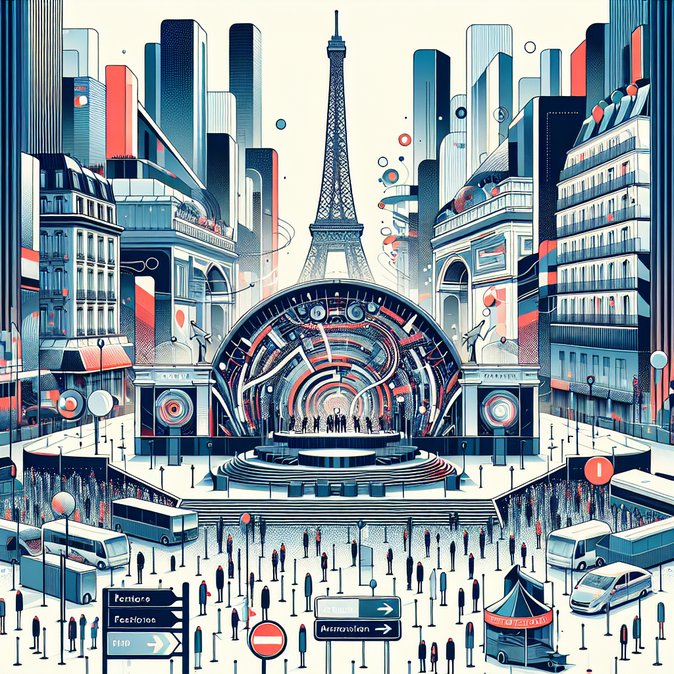
The City of Paris has cancelled its annual New-Year’s-Eve concert on the Champs-Élysées after police warned of crowd-control and security risks. While the fireworks display is still expected to proceed, the removal of the live music element will significantly shorten the programme, reducing the likelihood of dense, prolonged gatherings that typically draw up to one million revellers.
For travel managers, the change simplifies—but also complicates—holiday itineraries. Hotels and restaurants along the iconic avenue may see fewer late-night guests, altering demand forecasts. Conversely, authorities could redirect spectators to alternative viewing points, creating unpredictable crowd flows that affect airport transfers and coach operations in central Paris.
![Paris Scraps New-Year Champs-Élysées Concert Over Security Concerns, Altering Holiday Crowd-Control Plans]()
Police prefect Laurent Nuñez cited “unprecedented pressure on security resources” as France continues to operate internal Schengen border checks and prepares for elevated alert levels during Christmas markets. The decision was announced on 2 December, giving tour operators four weeks to tweak logistics.
Event-management firms who had secured VIP grandstand packages are now exploring rooftop venues and private boat charters on the Seine. Mobility planners should confirm whether shuttle buses have updated drop-off zones and whether metro services will maintain their usual all-night schedule.
The cancellation offers a case study in the balancing act between tourism promotion and public-safety obligations in post-pandemic Europe. It also illustrates how rapid policy shifts can impact corporate hospitality budgets, expatriate festive leave and last-minute leisure trips. Companies should brief travellers on revised celebration options and advise early departures to avoid congestion as midnight approaches.
For travel managers, the change simplifies—but also complicates—holiday itineraries. Hotels and restaurants along the iconic avenue may see fewer late-night guests, altering demand forecasts. Conversely, authorities could redirect spectators to alternative viewing points, creating unpredictable crowd flows that affect airport transfers and coach operations in central Paris.
Police prefect Laurent Nuñez cited “unprecedented pressure on security resources” as France continues to operate internal Schengen border checks and prepares for elevated alert levels during Christmas markets. The decision was announced on 2 December, giving tour operators four weeks to tweak logistics.
Event-management firms who had secured VIP grandstand packages are now exploring rooftop venues and private boat charters on the Seine. Mobility planners should confirm whether shuttle buses have updated drop-off zones and whether metro services will maintain their usual all-night schedule.
The cancellation offers a case study in the balancing act between tourism promotion and public-safety obligations in post-pandemic Europe. It also illustrates how rapid policy shifts can impact corporate hospitality budgets, expatriate festive leave and last-minute leisure trips. Companies should brief travellers on revised celebration options and advise early departures to avoid congestion as midnight approaches.