A severe winter front sweeping across northern Europe forced airlines to cancel at least 12 flights on 2 December, including multiple Brussels Airlines services in and out of Brussels-Zaventem. Travel and Tour World tallied cancellations by Lufthansa CityLine, easyJet, Finnair and Brussels Airlines that also hit Frankfurt, London City and Helsinki.
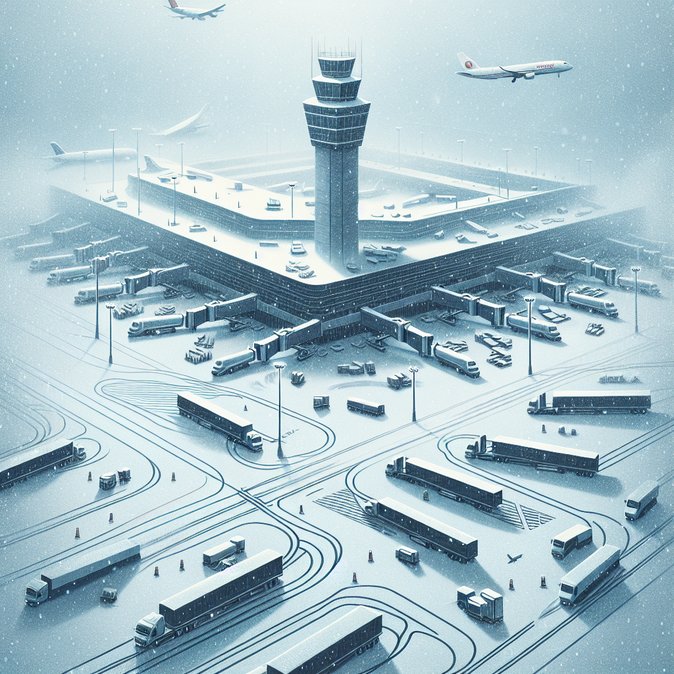
At Brussels Airport, fog and snow led to the scrubbing of services to Frankfurt and other hubs, stranding business travellers at the start of the mid-week peak. Ground handlers warned that de-icing queues could lengthen turnaround times for the remainder of the day, and airport operator Brussels Airport Company asked departing passengers to arrive “at least three hours early” and to re-check itineraries.
![Winter storm shuts down flights at Brussels Airport amid Europe-wide cancellations]()
Although the number of annulled flights looks modest compared with April’s nationwide strike, the timing matters: with year-end project sprints and holiday travel overlapping, corporate travellers have little slack. Multinational firms with same-day itineraries between headquarters in Brussels and manufacturing plants in Germany reported missed meetings and emergency hotel bookings. Freight forwarders diverted temperature-sensitive pharmaceuticals to Liège and Amsterdam Schiphol to maintain cold-chain integrity.
Airlines offered standard EU261 compensation, but capacity on alternative routes is limited because load factors this winter are already above 85 percent. Mobility managers should advise travellers to keep digital boarding passes updated and consider rail options such as Eurostar or Thalys for trips within the 500-km belt. Companies can also pre-authorise flexible fares or remote-work contingencies as meteorological models show another snow band possible on 4 December.
Looking ahead, airport authorities said they will review runway-clearing protocols after complaints that early-morning de-icing capacity remains insufficient a decade after similar disruptions in 2015 and 2018.
At Brussels Airport, fog and snow led to the scrubbing of services to Frankfurt and other hubs, stranding business travellers at the start of the mid-week peak. Ground handlers warned that de-icing queues could lengthen turnaround times for the remainder of the day, and airport operator Brussels Airport Company asked departing passengers to arrive “at least three hours early” and to re-check itineraries.
Although the number of annulled flights looks modest compared with April’s nationwide strike, the timing matters: with year-end project sprints and holiday travel overlapping, corporate travellers have little slack. Multinational firms with same-day itineraries between headquarters in Brussels and manufacturing plants in Germany reported missed meetings and emergency hotel bookings. Freight forwarders diverted temperature-sensitive pharmaceuticals to Liège and Amsterdam Schiphol to maintain cold-chain integrity.
Airlines offered standard EU261 compensation, but capacity on alternative routes is limited because load factors this winter are already above 85 percent. Mobility managers should advise travellers to keep digital boarding passes updated and consider rail options such as Eurostar or Thalys for trips within the 500-km belt. Companies can also pre-authorise flexible fares or remote-work contingencies as meteorological models show another snow band possible on 4 December.
Looking ahead, airport authorities said they will review runway-clearing protocols after complaints that early-morning de-icing capacity remains insufficient a decade after similar disruptions in 2015 and 2018.