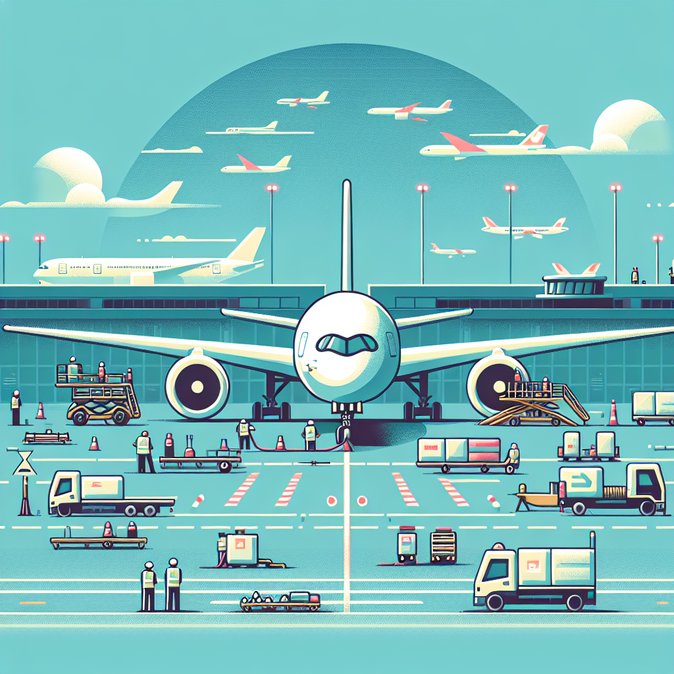
Cathay Pacific confirmed on Monday (1 December 2025) that one of its Airbus A350-1000 aircraft remains grounded at Hong Kong International Airport (HKIA) after sustaining a tail-strike during a missed-approach manoeuvre late Sunday night. Flight CX 764 from Ho Chi Minh City initiated a go-around on runway 07C after an unstable approach; the aircraft’s rear fuselage contacted the runway surface as the crew pitched up to climb out. The jet landed safely on its second attempt and no injuries were reported, but engineers have begun a detailed structural inspection that could sideline the wide-body for several days.
Cathay Pacific operates a tight long-haul schedule with only 21 A350-1000s in its fleet, so the withdrawal of one hull, even temporarily, puts immediate pressure on capacity during the peak year-end travel period. The airline has already cancelled two regional rotations and is re-timing selected long-haul services while it evaluates whether to lease in short-term lift or up-gauge narrow-body flights to wide-bodies where crews and airport slots permit. Travel-management companies in Hong Kong reported a spike in re-booking requests from corporate clients whose staff were due to connect through HKIA.
![Cathay Pacific grounds A350 after tail-strike incident, causing short-term capacity crunch on Hong Kong routes]()
Aviation analysts note that tail-strikes on wide-body aircraft are rare but expensive. Depending on the extent of abrasion to the lower rear pressure bulkhead, repairs can range from patch-plates to major fuselage-skin replacement and require sign-off from both Airbus and Hong Kong’s Civil Aviation Department. Historical data suggest an average out-of-service time of 5–10 days, translating into up to HK $45 million (US $5.8 m) in revenue loss once crew, maintenance, hotel and passenger-re-accommodation costs are added.
For mobility managers, the incident underscores the importance of diversified routings when moving people into or out of Hong Kong. Companies with urgent travel needs this week are being advised to check seat availability on HK Express and rival carriers such as Singapore Airlines and Emirates, which still have spare capacity in the lead-up to the Christmas peak. Employers should also remind assignees to monitor their airline apps for last-minute gate changes or delays at HKIA while Cathay reshuffles its roster.
In the medium term, Cathay says it will accelerate a review of pilot training modules covering unstable approaches and go-around procedures. Airbus’ pitch-limit indicator and tail-strike-prevention cues are already standard on the A350, but the carrier believes additional simulator scenarios will help crews better manage high-workload recoveries in poor visibility—a useful reminder that operational safety incidents can ripple quickly through the global mobility ecosystem.
Cathay Pacific operates a tight long-haul schedule with only 21 A350-1000s in its fleet, so the withdrawal of one hull, even temporarily, puts immediate pressure on capacity during the peak year-end travel period. The airline has already cancelled two regional rotations and is re-timing selected long-haul services while it evaluates whether to lease in short-term lift or up-gauge narrow-body flights to wide-bodies where crews and airport slots permit. Travel-management companies in Hong Kong reported a spike in re-booking requests from corporate clients whose staff were due to connect through HKIA.

Aviation analysts note that tail-strikes on wide-body aircraft are rare but expensive. Depending on the extent of abrasion to the lower rear pressure bulkhead, repairs can range from patch-plates to major fuselage-skin replacement and require sign-off from both Airbus and Hong Kong’s Civil Aviation Department. Historical data suggest an average out-of-service time of 5–10 days, translating into up to HK $45 million (US $5.8 m) in revenue loss once crew, maintenance, hotel and passenger-re-accommodation costs are added.
For mobility managers, the incident underscores the importance of diversified routings when moving people into or out of Hong Kong. Companies with urgent travel needs this week are being advised to check seat availability on HK Express and rival carriers such as Singapore Airlines and Emirates, which still have spare capacity in the lead-up to the Christmas peak. Employers should also remind assignees to monitor their airline apps for last-minute gate changes or delays at HKIA while Cathay reshuffles its roster.
In the medium term, Cathay says it will accelerate a review of pilot training modules covering unstable approaches and go-around procedures. Airbus’ pitch-limit indicator and tail-strike-prevention cues are already standard on the A350, but the carrier believes additional simulator scenarios will help crews better manage high-workload recoveries in poor visibility—a useful reminder that operational safety incidents can ripple quickly through the global mobility ecosystem.