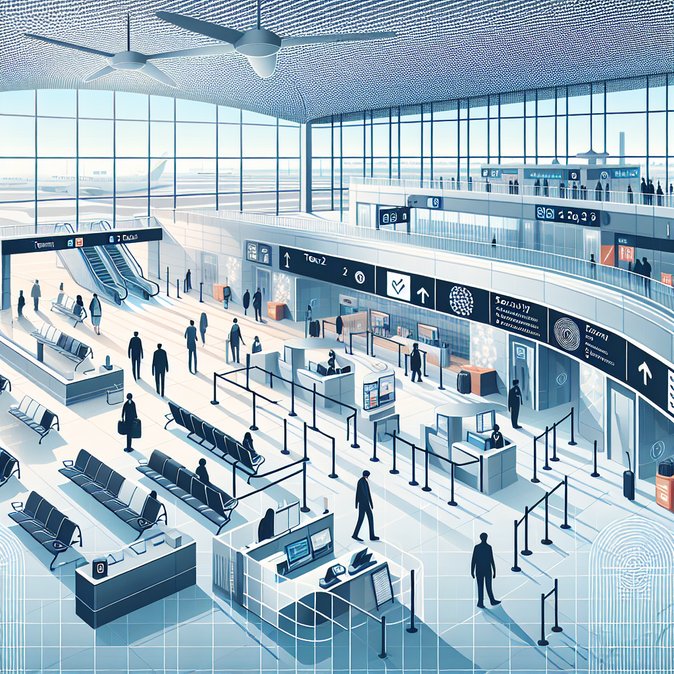
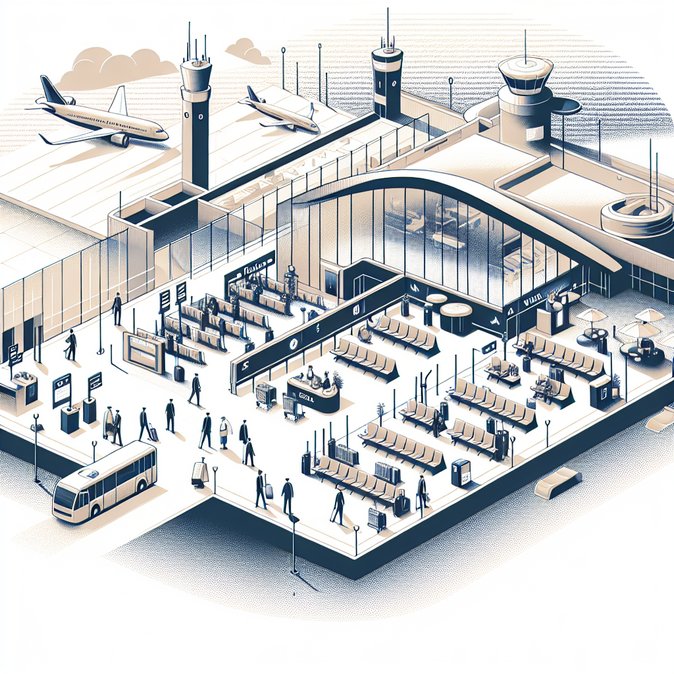
Prague’s Václav Havel Airport has quietly launched a “Private Check-in Service” designed for time-pressed business travellers and high-net-worth leisure passengers using Terminal 2, which handles intra-Schengen departures. For a flat fee of CZK 1,950 (€79) travellers hand their passports and luggage to a dedicated agent, relax in the refurbished FastTrack Lounge and then clear security via an exclusive lane that bypasses the main checkpoint. Children under three are free and youngsters aged 3-14 pay a reduced CZK 720.
Airport management says the bundle is the first visible pillar of its broader “Ready for the Future” strategy to manage passenger flow before the EU’s biometric Entry/Exit System reaches full capacity in 2026. By siphoning a slice of the Monday-morning and Thursday-evening business-travel peaks into a pre-booked premium channel, PRG hopes to free floor space and staff for the more labour-intensive EES checks that non-EU travellers will face in Terminal 1. Capacity will be capped at roughly 60 passengers per hour until demand patterns are clear.
![Prague Airport Unveils Premium Private Check-in and Fast-Track Package for Schengen Flights]()
Early adopters include several Prague-based shared-service centres and foreign embassies whose personnel shuttle weekly to Frankfurt, Paris and Amsterdam. HR directors told VisaHQ that the €79 fee is offset by shorter “door-to-desk” times, lower traveller stress and fewer duty-of-care incidents. One pharmaceutical company calculated that cutting 40 minutes from a typical turnaround saves roughly €120 in staff time per trip.
The service must be booked at least 24 hours in advance and currently operates from 06:00–21:00. Airport officials hint that opening hours and passenger quotas could be expanded for December’s Christmas-market surge and a cluster of major conferences in early 2026. If the concept proves popular, PRG plans to roll out a similar package for selected long-haul departures once new EES kiosks are installed in Terminal 1 next spring.
For global-mobility teams the launch offers a practical tool to keep road-warrior executives productive while mitigating the operational risks posed by evolving EU border formalities.
Airport management says the bundle is the first visible pillar of its broader “Ready for the Future” strategy to manage passenger flow before the EU’s biometric Entry/Exit System reaches full capacity in 2026. By siphoning a slice of the Monday-morning and Thursday-evening business-travel peaks into a pre-booked premium channel, PRG hopes to free floor space and staff for the more labour-intensive EES checks that non-EU travellers will face in Terminal 1. Capacity will be capped at roughly 60 passengers per hour until demand patterns are clear.
Early adopters include several Prague-based shared-service centres and foreign embassies whose personnel shuttle weekly to Frankfurt, Paris and Amsterdam. HR directors told VisaHQ that the €79 fee is offset by shorter “door-to-desk” times, lower traveller stress and fewer duty-of-care incidents. One pharmaceutical company calculated that cutting 40 minutes from a typical turnaround saves roughly €120 in staff time per trip.
The service must be booked at least 24 hours in advance and currently operates from 06:00–21:00. Airport officials hint that opening hours and passenger quotas could be expanded for December’s Christmas-market surge and a cluster of major conferences in early 2026. If the concept proves popular, PRG plans to roll out a similar package for selected long-haul departures once new EES kiosks are installed in Terminal 1 next spring.
For global-mobility teams the launch offers a practical tool to keep road-warrior executives productive while mitigating the operational risks posed by evolving EU border formalities.