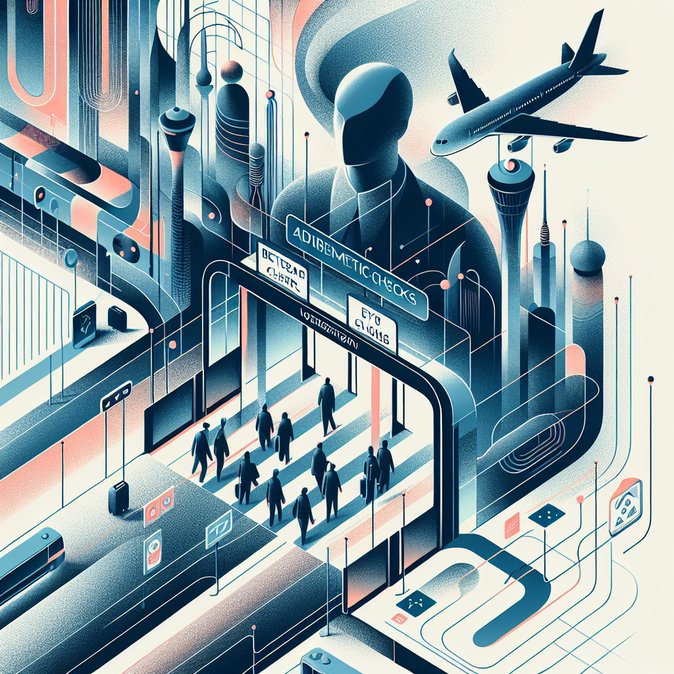
The European Union’s long-awaited Entry/Exit System (EES) moved from pilot to full operational status on 29 November, and Austria flipped the switch at Vienna, Salzburg and Innsbruck airports as well as major land crossings. The new platform captures fingerprints and a high-resolution facial image from every non-EU traveller on first entry; subsequent visits require only one biometric. The data are stored for three years and automatically calculate time spent in the Schengen Area, replacing the old passport-stamp routine.
Austrian border-police unions say enrolment kiosks add two to four minutes per passenger during peak waves. Vienna Airport has redeployed staff from security lanes to immigration and is advising airlines to tell passengers to arrive at least 30 minutes earlier. The first real test will come in mid-December when winter-holiday charter flights boost daily arrivals by up to 20 percent.
![EU biometric Entry/Exit System goes live, lengthening queues at Austrian airports]()
For global-mobility programmes the change is seismic. The automatic count makes it almost impossible to “reset” the 90/180-day Schengen clock with a quick weekend outside the bloc—a tactic some business travellers still rely on. Overstays will trigger immediate alerts, leading to entry refusals or fines. Companies should audit historic entry stamps, align future trips with real-time EES data and update traveller-tracking tools to pull records directly from the EES API once available.
Accuracy at enrolment is vital because EES feeds directly into ETIAS, the electronic travel authorisation that visa-exempt nationals will need from 2026. A mismatched passport number or misspelled name today could generate an ETIAS denial tomorrow. Mobility managers may wish to circulate a job-aid on kiosk navigation and designate airport “meet-and-assist” services for VIP assignees until throughput stabilises.
Despite the teething pains, Austrian tourism officials point to Croatia’s experience earlier this year, where processing times fell back to pre-EES levels within eight weeks. By spring 2026, Vienna hopes to leverage the biometrics for more automated e-gates, potentially shortening queues below today’s baseline.
Austrian border-police unions say enrolment kiosks add two to four minutes per passenger during peak waves. Vienna Airport has redeployed staff from security lanes to immigration and is advising airlines to tell passengers to arrive at least 30 minutes earlier. The first real test will come in mid-December when winter-holiday charter flights boost daily arrivals by up to 20 percent.
For global-mobility programmes the change is seismic. The automatic count makes it almost impossible to “reset” the 90/180-day Schengen clock with a quick weekend outside the bloc—a tactic some business travellers still rely on. Overstays will trigger immediate alerts, leading to entry refusals or fines. Companies should audit historic entry stamps, align future trips with real-time EES data and update traveller-tracking tools to pull records directly from the EES API once available.
Accuracy at enrolment is vital because EES feeds directly into ETIAS, the electronic travel authorisation that visa-exempt nationals will need from 2026. A mismatched passport number or misspelled name today could generate an ETIAS denial tomorrow. Mobility managers may wish to circulate a job-aid on kiosk navigation and designate airport “meet-and-assist” services for VIP assignees until throughput stabilises.
Despite the teething pains, Austrian tourism officials point to Croatia’s experience earlier this year, where processing times fell back to pre-EES levels within eight weeks. By spring 2026, Vienna hopes to leverage the biometrics for more automated e-gates, potentially shortening queues below today’s baseline.