Canada’s Global Affairs Department has upgraded its travel advisory for Germany from “exercise normal security precautions” to “exercise a high degree of caution,” citing a confluence of terrorism alerts, mass demonstrations and tougher border-control measures that have emerged since late October. The notice—published on 29 November—places Germany in the same risk tier as Italy, Turkey and China and urges Canadian citizens to remain vigilant around transportation hubs, Christmas markets and large public gatherings.
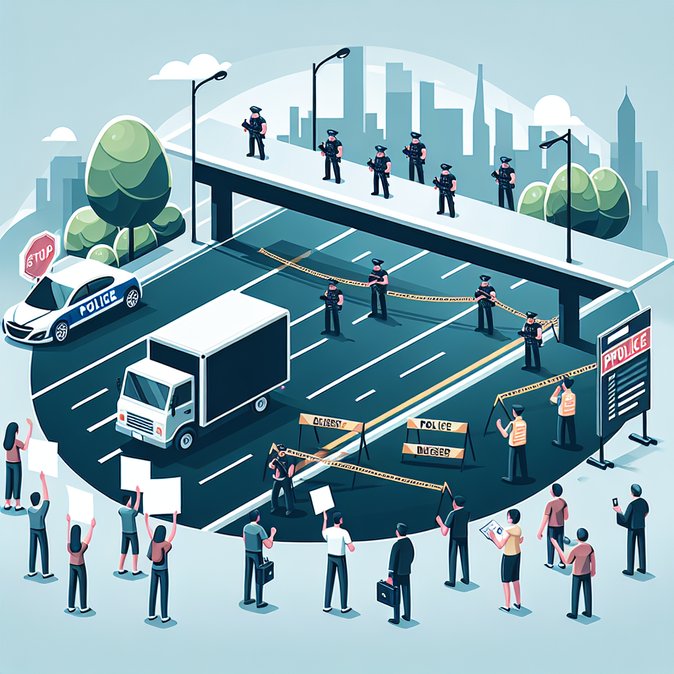
The move follows a series of lone-actor attacks and foiled plots in German cities this autumn, alongside nationwide protest activity touching on Gaza, Ukraine and domestic economic policy. Federal police have responded by raising visible patrols in stations and airports, reinstating bag checks at major rail terminals and maintaining temporary internal Schengen border checks with nine neighbouring states. Business-travel itineraries that rely on tight rail-to-air connections are therefore facing sporadic delays, particularly in Frankfurt, Munich and Berlin.
![Canada Raises Travel Risk Level for Germany Amid Heightened Security Concerns]()
For mobility managers, the advisory has two immediate implications. First, companies must refresh their duty-of-care protocols: real-time employee-tracking tools and automated check-in systems should be switched from “recommended” to “mandatory” for German trips while the higher alert level remains. Second, relocation providers should warn assignees that visa-processing appointments at some consulates may take longer, as extra security vetting is being applied to certain nationalities under Germany’s counter-terrorism guidelines.
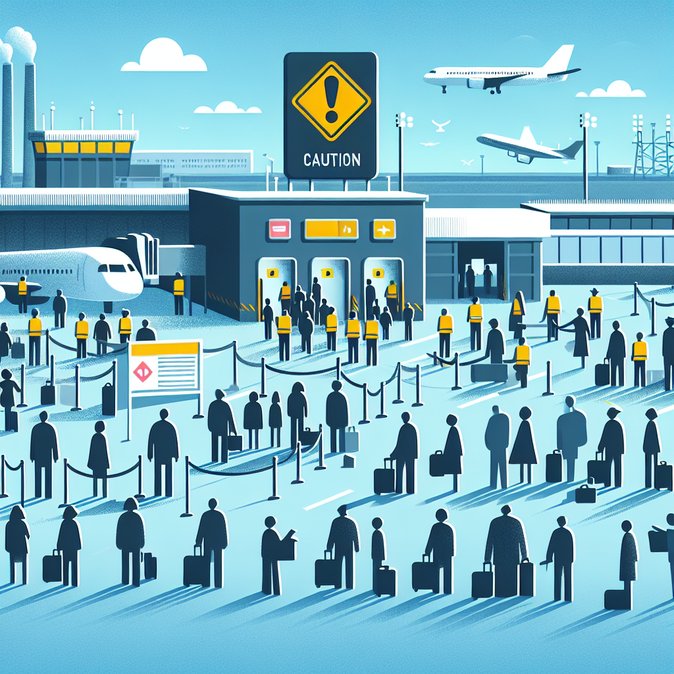
At present, flights and trains continue to operate normally, but travellers should expect more frequent ID checks, especially on cross-border routes from Austria, Poland and the Czech Republic. Corporate travellers are advised to build at least 45 minutes of buffer time into airport arrivals and to register with their embassy’s crisis-notification system. If the threat level persists into December, insurers say they may re-price corporate travel-risk premiums for Germany, potentially nudging up overall programme costs for 2026.
The move follows a series of lone-actor attacks and foiled plots in German cities this autumn, alongside nationwide protest activity touching on Gaza, Ukraine and domestic economic policy. Federal police have responded by raising visible patrols in stations and airports, reinstating bag checks at major rail terminals and maintaining temporary internal Schengen border checks with nine neighbouring states. Business-travel itineraries that rely on tight rail-to-air connections are therefore facing sporadic delays, particularly in Frankfurt, Munich and Berlin.

For mobility managers, the advisory has two immediate implications. First, companies must refresh their duty-of-care protocols: real-time employee-tracking tools and automated check-in systems should be switched from “recommended” to “mandatory” for German trips while the higher alert level remains. Second, relocation providers should warn assignees that visa-processing appointments at some consulates may take longer, as extra security vetting is being applied to certain nationalities under Germany’s counter-terrorism guidelines.
At present, flights and trains continue to operate normally, but travellers should expect more frequent ID checks, especially on cross-border routes from Austria, Poland and the Czech Republic. Corporate travellers are advised to build at least 45 minutes of buffer time into airport arrivals and to register with their embassy’s crisis-notification system. If the threat level persists into December, insurers say they may re-price corporate travel-risk premiums for Germany, potentially nudging up overall programme costs for 2026.