Australia’s Department of Foreign Affairs and Trade (DFAT) updated its Smartraveller notice for Czechia on 27 November, warning that the new EU Entry/Exit System (EES) is causing longer waits at Prague Airport and land crossings. The advisory cites early-morning queues of 25–30 minutes for long-haul departures, up from ten minutes before EES went live on 12 October.
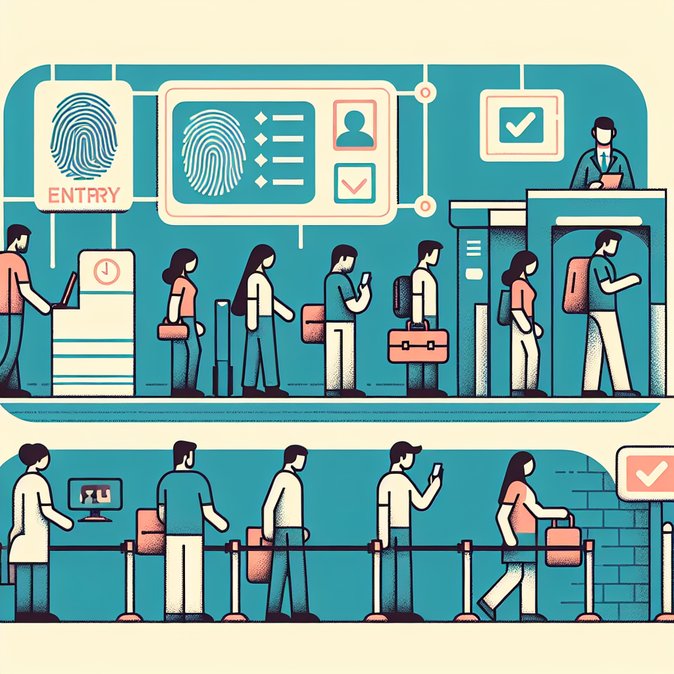
EES replaces passport stamps with digital records and biometric capture, meaning third-country nationals—Australians included—must register fingerprints and a facial image the first time they cross an external Schengen frontier after implementation. Subsequent trips over the next three years will require only verification, but airlines are urging economy-class passengers to arrive at least three hours before take-off during the Christmas peak.
![Australia Issues Advisory on Longer Czech Border Queues as Entry/Exit System Beds In]()
For global-mobility managers, the advisory is a prompt to audit employees’ cumulative stays under the 90/180-day Schengen rule. EES automatically flags overstays, removing the discretion border guards once exercised. Violations could entail on-the-spot fines or multi-year entry bans—potentially derailing project timelines or expatriate assignments.
Several other countries, including Canada, New Zealand and the United States, have issued similar notices, underscoring that the Czech bottlenecks reflect a wider Schengen learning curve rather than local mis-management. The Czech Foreign Police say extra staff will be deployed over the holiday period, but teething problems may persist until travellers and officers gain familiarity with the new system.
EES replaces passport stamps with digital records and biometric capture, meaning third-country nationals—Australians included—must register fingerprints and a facial image the first time they cross an external Schengen frontier after implementation. Subsequent trips over the next three years will require only verification, but airlines are urging economy-class passengers to arrive at least three hours before take-off during the Christmas peak.

For global-mobility managers, the advisory is a prompt to audit employees’ cumulative stays under the 90/180-day Schengen rule. EES automatically flags overstays, removing the discretion border guards once exercised. Violations could entail on-the-spot fines or multi-year entry bans—potentially derailing project timelines or expatriate assignments.
Several other countries, including Canada, New Zealand and the United States, have issued similar notices, underscoring that the Czech bottlenecks reflect a wider Schengen learning curve rather than local mis-management. The Czech Foreign Police say extra staff will be deployed over the holiday period, but teething problems may persist until travellers and officers gain familiarity with the new system.