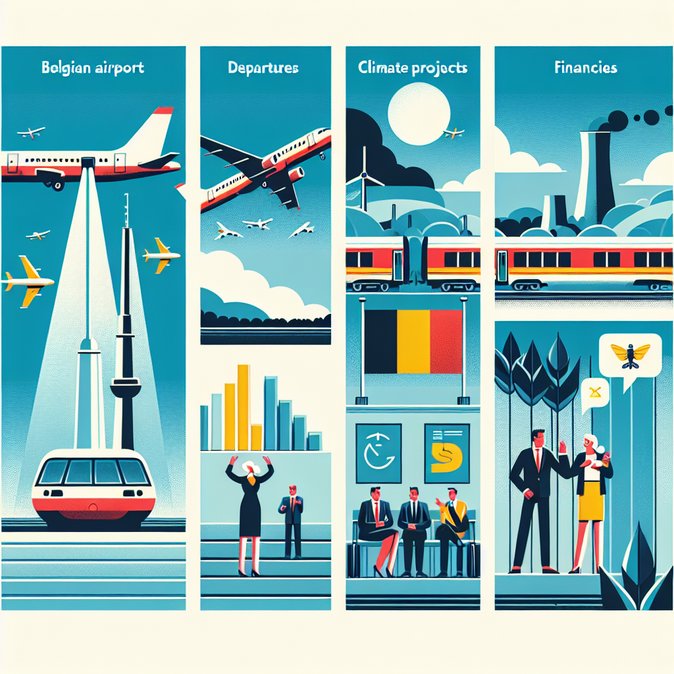
Belgium’s federal coalition revealed its 2026–2029 budget deal late on 28 November and, buried in the 254-page document, is a one-line amendment that will have outsized impact on corporate mobility budgets: from 1 January 2027 every ticket issued for a departure from a Belgian airport will carry a flat €10 embarkation tax, up from today’s €5 for medium- and long-haul flights and €10 for short hops under 500 km.
The government argues that harmonising the levy simplifies administration and will raise roughly €140 million per year to fund rail-infrastructure upgrades and green-transition projects. Finance Minister Gwendolyn Rutten told reporters the move keeps Belgium “below the €12-to-€20 band charged by our neighbours before their recent cuts” while forcing aviation to “pay its fair share of the climate effort.”
![Belgium to Double Flight Tax From 2027, Triggering Cost Headaches for Business Travel]()
Airlines were quick to push back. Trade body Airlines for Europe warned that the increase lands barely four months after the last hike and “will inevitably be passed on to passengers.” Flag-carrier Brussels Airlines estimates an average €18 surcharge on a return long-haul ticket once VAT and distribution fees are added, while Ryanair says the tax makes Belgium “even less competitive” than rival hubs in Amsterdam and Paris and could prompt route cuts at Charleroi and Brussels South.
Corporate-travel managers have already begun recalculating 2026–2028 budgets. A flash survey by the Belgian Association of Travel Management found that 63 % of multinationals plan to trim discretionary trips or switch meetings online if ticket prices rise more than 8 %. Mobility advisers also note that, because the tax is collected at point of sale, Belgian-based executives booking ex-Paris or ex-Amsterdam “surface sectors” can currently avoid the fee – a loophole the government may try to close in secondary legislation.
For now, companies are being urged to update cost projections for assignee home leave, training programmes and repatriation flights scheduled after 2026, and to brief staff early to avoid expense-claim disputes. Travel-policy teams should also watch for potential retaliatory measures by neighbouring countries eyeing their own green-tax adjustments in 2026.
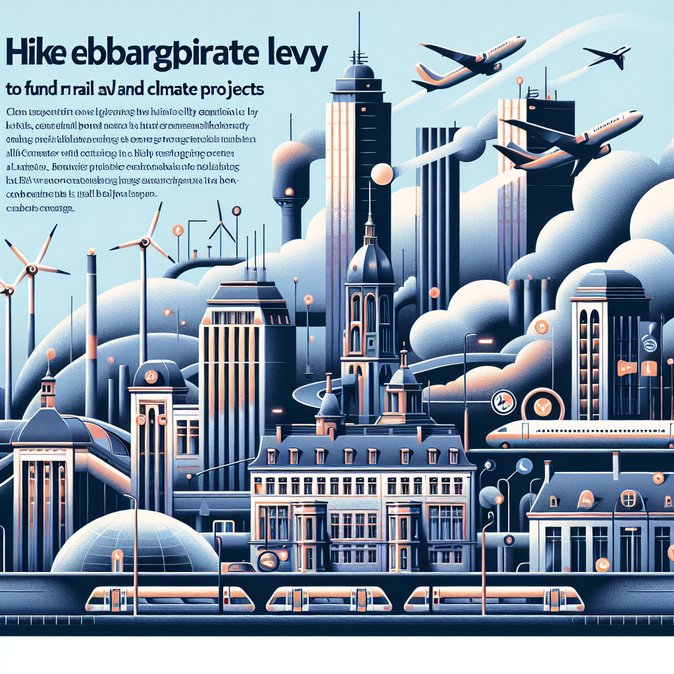
The government argues that harmonising the levy simplifies administration and will raise roughly €140 million per year to fund rail-infrastructure upgrades and green-transition projects. Finance Minister Gwendolyn Rutten told reporters the move keeps Belgium “below the €12-to-€20 band charged by our neighbours before their recent cuts” while forcing aviation to “pay its fair share of the climate effort.”
Airlines were quick to push back. Trade body Airlines for Europe warned that the increase lands barely four months after the last hike and “will inevitably be passed on to passengers.” Flag-carrier Brussels Airlines estimates an average €18 surcharge on a return long-haul ticket once VAT and distribution fees are added, while Ryanair says the tax makes Belgium “even less competitive” than rival hubs in Amsterdam and Paris and could prompt route cuts at Charleroi and Brussels South.
Corporate-travel managers have already begun recalculating 2026–2028 budgets. A flash survey by the Belgian Association of Travel Management found that 63 % of multinationals plan to trim discretionary trips or switch meetings online if ticket prices rise more than 8 %. Mobility advisers also note that, because the tax is collected at point of sale, Belgian-based executives booking ex-Paris or ex-Amsterdam “surface sectors” can currently avoid the fee – a loophole the government may try to close in secondary legislation.
For now, companies are being urged to update cost projections for assignee home leave, training programmes and repatriation flights scheduled after 2026, and to brief staff early to avoid expense-claim disputes. Travel-policy teams should also watch for potential retaliatory measures by neighbouring countries eyeing their own green-tax adjustments in 2026.