Fresh Interior-Ministry statistics show Austria accepted only 1,293 asylum applications in October—down 49 percent on the same month last year and the lowest figure since 2020. Year-to-date requests stand at 14,325, roughly one-third below 2024 levels. Officials credit a cocktail of measures: prolonged Schengen-internal border checks with Hungary, Slovenia, Slovakia and Czechia; a tougher family-reunification quota; and joint police operations such as “Operation Fox” that target smuggler networks abroad.
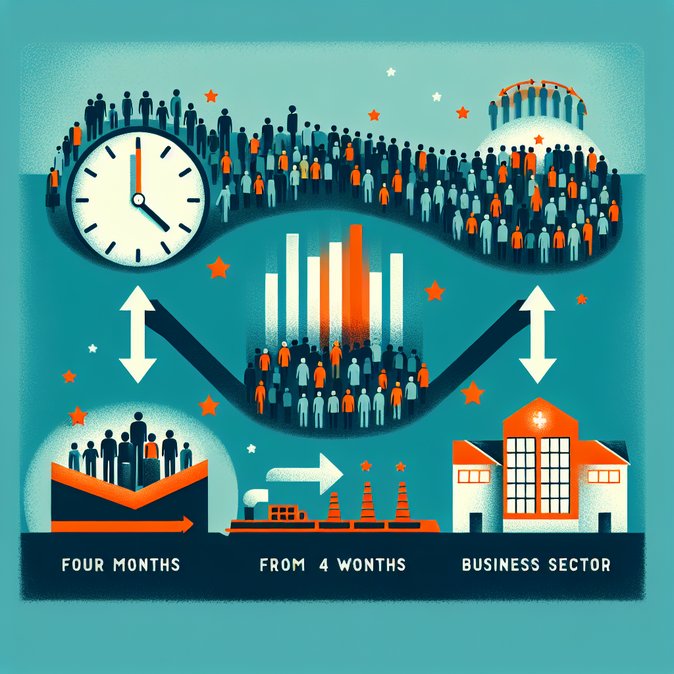
The breathing space has allowed the Federal Office for Immigration and Asylum (BFA) to shave its backlog from 26,000 files to fewer than 9,500. As a consequence, recognised refugees who find employment can now swap their humanitarian status for a labour-market residence permit in an average of eight weeks—half the four-month wait time that prevailed only a year ago.
![Sharp Drop in Asylum Claims Lets Austria Halve Processing Time for Work-Permit Conversions]()
For employers the change is tangible: staff who arrived as asylum seekers can enter payroll and social-security systems much sooner, reducing reliance on temporary contracts and simplifying compliance with wage-dumping legislation. Sectors with acute shortages—hospitality, aged care and construction—are expected to benefit first.
Mobility advisers nevertheless warn that faster processing does not equal automatic approval. Companies must still demonstrate that the role meets collective-agreement salary floors and that the employee has completed the mandatory German-language course. Mistakes on the social-security certificate remain a leading cause of rejection.
Looking ahead, the Interior Ministry says it will revisit the duration of internal border checks in May 2026. If asylum numbers remain muted, pressure may grow—especially from business lobbies—to phase out some controls that slow cross-border commuter traffic.
The breathing space has allowed the Federal Office for Immigration and Asylum (BFA) to shave its backlog from 26,000 files to fewer than 9,500. As a consequence, recognised refugees who find employment can now swap their humanitarian status for a labour-market residence permit in an average of eight weeks—half the four-month wait time that prevailed only a year ago.

For employers the change is tangible: staff who arrived as asylum seekers can enter payroll and social-security systems much sooner, reducing reliance on temporary contracts and simplifying compliance with wage-dumping legislation. Sectors with acute shortages—hospitality, aged care and construction—are expected to benefit first.
Mobility advisers nevertheless warn that faster processing does not equal automatic approval. Companies must still demonstrate that the role meets collective-agreement salary floors and that the employee has completed the mandatory German-language course. Mistakes on the social-security certificate remain a leading cause of rejection.
Looking ahead, the Interior Ministry says it will revisit the duration of internal border checks in May 2026. If asylum numbers remain muted, pressure may grow—especially from business lobbies—to phase out some controls that slow cross-border commuter traffic.