After two decades of legal battles and environmental protests, Flughafen Wien AG confirmed on 26 November that it is abandoning plans to build a third runway. Co-CEO Julian Jaeger told national broadcaster ORF that updated demand forecasts show the €2 billion investment would not generate an adequate return, especially after key airline partners Austrian Airlines and Ryanair withdrew support.
Post-pandemic fleet strategies also played a role: airlines are up-gauging to larger, better-filled aircraft, squeezing more passengers through the airport’s two existing runways. Rising construction costs further undermined the business case, leading the operator to write off €55.9 million in planning assets.
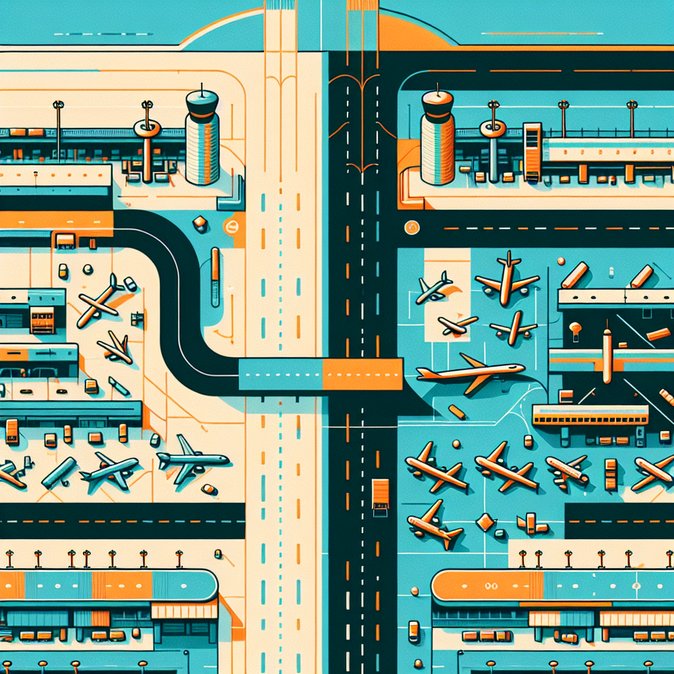
![Vienna Airport Cancels €2 Billion Third-Runway Project, Easing Long-Term Slot Uncertainty]()
For business-travel programmes and global assignment managers the decision removes years of uncertainty. Slot constraints, potential noise-curfew revisions and construction-phase disruption had complicated travel-policy forecasts and expatriate housing choices in affected suburbs.
Flughafen Wien insists its growth ambitions remain intact; instead of concrete, the focus will shift to smarter air-traffic management, terminal refurbishment and digitisation projects such as biometric e-gates. The airport’s shares jumped 4.5 percent on the news, hitting a five-month high.
Companies planning regional headquarters or logistics hubs can therefore base medium-term capacity assumptions on the current two-runway configuration, while keeping an eye on incremental upgrades that may further improve on-time performance.
Post-pandemic fleet strategies also played a role: airlines are up-gauging to larger, better-filled aircraft, squeezing more passengers through the airport’s two existing runways. Rising construction costs further undermined the business case, leading the operator to write off €55.9 million in planning assets.

For business-travel programmes and global assignment managers the decision removes years of uncertainty. Slot constraints, potential noise-curfew revisions and construction-phase disruption had complicated travel-policy forecasts and expatriate housing choices in affected suburbs.
Flughafen Wien insists its growth ambitions remain intact; instead of concrete, the focus will shift to smarter air-traffic management, terminal refurbishment and digitisation projects such as biometric e-gates. The airport’s shares jumped 4.5 percent on the news, hitting a five-month high.
Companies planning regional headquarters or logistics hubs can therefore base medium-term capacity assumptions on the current two-runway configuration, while keeping an eye on incremental upgrades that may further improve on-time performance.