The Australian government’s Smartraveller portal updated its Austria advisory on 27 November, noting that the European Union’s new Entry/Exit System (EES) has now started for all non-EU nationals.
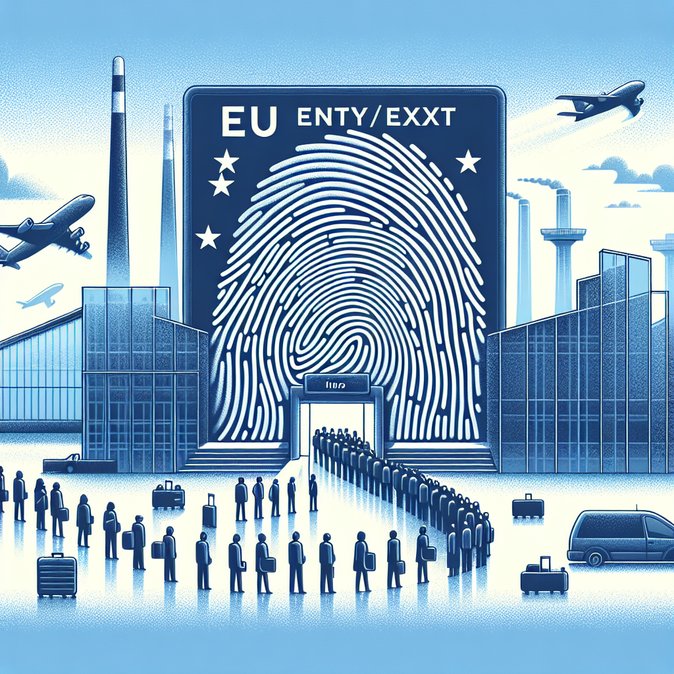
Under EES, first-time visitors will have fingerprints and a facial image captured at the border; repeat travellers need to provide only one biometric. The data replace passport stamping and will be stored for three years, automatically counting a traveller’s stay against the 90/180-day Schengen rule.
![EU Entry/Exit System Goes Live: Travellers Warned of Longer Queues at Austrian Borders]()
Austrian border-police unions warn that the initial roll-out—particularly at Vienna, Salzburg and Innsbruck airports—could add several minutes per passenger during peak waves until travellers become familiar with the kiosks. Land crossings with Switzerland and Liechtenstein are also upgrading equipment.
Corporate travel managers should advise staff from visa-waiver countries such as the United States, Australia and Japan to build extra time into connections and to check that passports are machine-readable and undamaged. Carriers may deny boarding if passengers cannot demonstrate compliance with the new biometric requirements.
EES is a precursor to the delayed European Travel Information and Authorisation System (ETIAS), now expected in mid-2026. Mobility programmes should therefore begin collecting employees’ historic Schengen-stay data to avoid inadvertent overstays once automated enforcement tightens.
Under EES, first-time visitors will have fingerprints and a facial image captured at the border; repeat travellers need to provide only one biometric. The data replace passport stamping and will be stored for three years, automatically counting a traveller’s stay against the 90/180-day Schengen rule.
Austrian border-police unions warn that the initial roll-out—particularly at Vienna, Salzburg and Innsbruck airports—could add several minutes per passenger during peak waves until travellers become familiar with the kiosks. Land crossings with Switzerland and Liechtenstein are also upgrading equipment.
Corporate travel managers should advise staff from visa-waiver countries such as the United States, Australia and Japan to build extra time into connections and to check that passports are machine-readable and undamaged. Carriers may deny boarding if passengers cannot demonstrate compliance with the new biometric requirements.
EES is a precursor to the delayed European Travel Information and Authorisation System (ETIAS), now expected in mid-2026. Mobility programmes should therefore begin collecting employees’ historic Schengen-stay data to avoid inadvertent overstays once automated enforcement tightens.