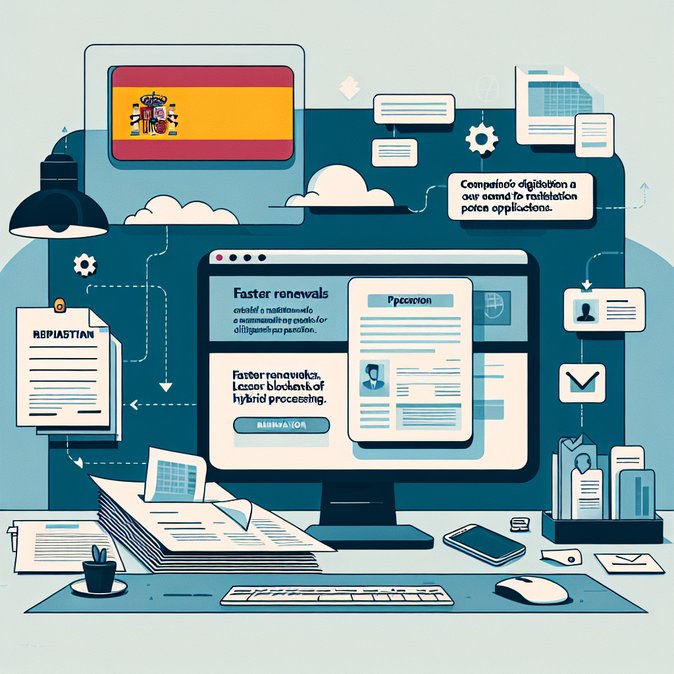
Spain is preparing the most sweeping modernisation of its immigration machinery in more than a decade. Confirmed on 20 November and set to roll out over the next 12 months, a unified national platform will allow most residence-permit applications to be filed entirely online, replacing the patchwork of province-by-province paper processes blamed for chronic delays.
Key pillars include end-to-end e-filing, digital identity verification and harmonised document lists that apply nationwide. Immigration offices will continue to exist but pivot toward verification and customer support rather than front-line case intake. The government has already authorised the hiring of 1,200 temporary clerks to smooth the transition.
![Madrid Unveils Digital Overhaul of Spain’s Residency System to Slash Backlogs]()
For global mobility teams the implications are profound. Non-lucrative, digital-nomad and highly qualified work permits—currently beset by months-long queues—should see faster decision times once the IT backbone stabilises. Yet advisers warn of a “grey zone” in 2026 during which old and new rules will coexist, forcing applicants to submit hybrid paper-and-digital files.
Companies are urged to audit document workflows, adopt secure e-signature tools and keep scanned copies of all supporting evidence. Early adopters stand to reduce renewal bottlenecks, while laggards could find themselves wrestling with legacy paper forms just as the system goes fully online.
The digital leap is also intended to undercut the flourishing black market for appointment slots (cita previa), whose scarcity has spawned bot-powered resellers charging up to €200 per booking. Whether the overhaul will fully extinguish that market remains to be seen, but few doubt that a one-stop online portal would be a game-changer for Spain’s 7 million foreign residents and their employers.
Key pillars include end-to-end e-filing, digital identity verification and harmonised document lists that apply nationwide. Immigration offices will continue to exist but pivot toward verification and customer support rather than front-line case intake. The government has already authorised the hiring of 1,200 temporary clerks to smooth the transition.

For global mobility teams the implications are profound. Non-lucrative, digital-nomad and highly qualified work permits—currently beset by months-long queues—should see faster decision times once the IT backbone stabilises. Yet advisers warn of a “grey zone” in 2026 during which old and new rules will coexist, forcing applicants to submit hybrid paper-and-digital files.
Companies are urged to audit document workflows, adopt secure e-signature tools and keep scanned copies of all supporting evidence. Early adopters stand to reduce renewal bottlenecks, while laggards could find themselves wrestling with legacy paper forms just as the system goes fully online.
The digital leap is also intended to undercut the flourishing black market for appointment slots (cita previa), whose scarcity has spawned bot-powered resellers charging up to €200 per booking. Whether the overhaul will fully extinguish that market remains to be seen, but few doubt that a one-stop online portal would be a game-changer for Spain’s 7 million foreign residents and their employers.