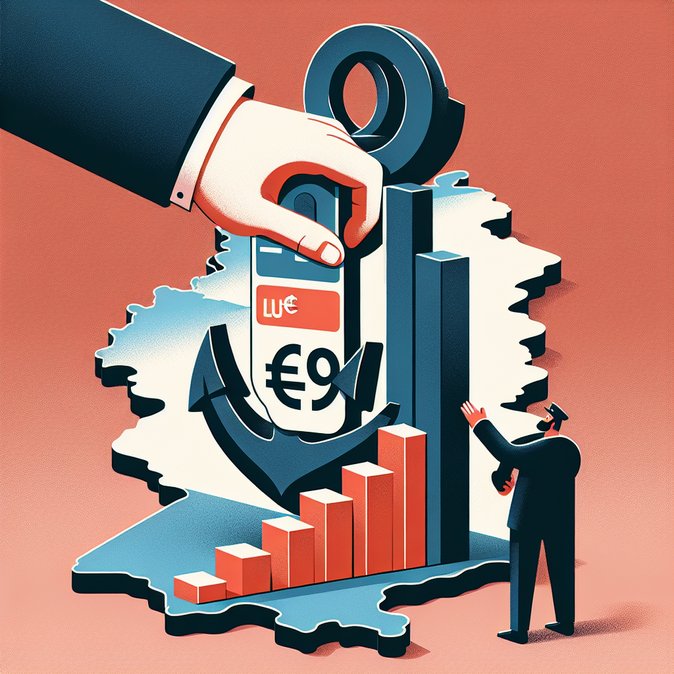
In a late-night vote on 7 November 2025 the German Bundestag finally answered the question every commuter—and every HR mobility manager—has asked since spring: Will the €49 Deutschlandticket survive? Yes. MPs passed the 11th amendment to the Regionalisation Act, guaranteeing federal co-financing for the flat-fare rail and bus pass from 2026 to 2030.
The law earmarks €1.5 billion for 2026 and binds the federal government to index-linked increases from 2027, provided the Länder match the sums. Corporate mobility budgets take note: from 2027 the ticket price will rise to €63 per month, but companies can still buy subsidised Job-Tickets with up to 25 % discount.
![Bundestag Secures ‘Deutschlandticket’ Funding Through 2030, Locking-In €49 Nationwide Pass]()
Why it matters for global mobility teams: the pass has become the default solution for assignees and business travellers shuttling between client sites. Deloitte Germany says 82 % of its inbound secondees now use the ticket instead of car hire, saving the firm €3.6 million in travel spend this year alone.
Transport economists fear that inflation-linked cost sharing could trigger annual price hikes; however, enshrining the scheme in statute gives employers and relocation providers five years of predictability. The Bundesrat is expected to rubber-stamp the amendment on 29 November, allowing transport associations to print new fare tables before the 1 January timetable change.
Opposition parties criticised the deal for lacking an exit clause should ridership or revenue projections collapse, but the industry hailed it as a rare win for modal-shift policy.
The law earmarks €1.5 billion for 2026 and binds the federal government to index-linked increases from 2027, provided the Länder match the sums. Corporate mobility budgets take note: from 2027 the ticket price will rise to €63 per month, but companies can still buy subsidised Job-Tickets with up to 25 % discount.
Why it matters for global mobility teams: the pass has become the default solution for assignees and business travellers shuttling between client sites. Deloitte Germany says 82 % of its inbound secondees now use the ticket instead of car hire, saving the firm €3.6 million in travel spend this year alone.
Transport economists fear that inflation-linked cost sharing could trigger annual price hikes; however, enshrining the scheme in statute gives employers and relocation providers five years of predictability. The Bundesrat is expected to rubber-stamp the amendment on 29 November, allowing transport associations to print new fare tables before the 1 January timetable change.
Opposition parties criticised the deal for lacking an exit clause should ridership or revenue projections collapse, but the industry hailed it as a rare win for modal-shift policy.
More From Germany
View all
Germany Automatically Extends Temporary Protection Residence Permits for Ukrainians Until March 2027

German Parliament Ratifies Revised International Health Regulations, Paving Way for Faster Cross-Border Pandemic Response