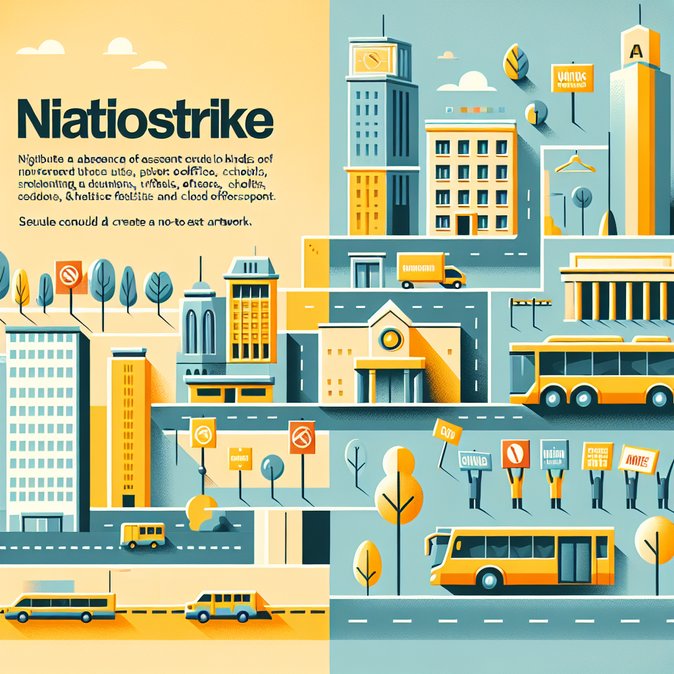
Italy faces its first nationwide general strike of 2026 on Monday 9 March, one day after International Women’s Day. Several grassroots and sector-wide unions—including Slai-Cobas, USI, USB and Clap—have called a 24-hour walk-out to protest violence against women and persistent gender-pay gaps.
Although the core focus is women’s rights, the breadth of union participation means disruption will spill far beyond the social sphere. Schools, universities, research institutes, local health authorities and a wide range of public offices have been warned to expect skeleton staffing. Employers with seconded staff or expatriate families should anticipate school closures and delays in municipal services such as residency registrations and identity-card renewals.
The biggest unknown is transport. USI and USB have excluded buses, rail and aviation from their strike notice, but Slai-Cobas has explicitly included the entire transport sector. Under Italian law, minimum services must be guaranteed, yet experience shows those guarantees vary city by city. Trenitalia and Italo will publish lists of “treni garantiti” only 48 hours before the strike, while local transit agencies will post protected time-bands on their websites.
![Italy Braces for 9 March Nationwide General Strike: Public Services and Possibly Transport to Halt]()
Should travellers find themselves needing to rearrange documentation or secure emergency entry permits at short notice, VisaHQ can take much of the administrative burden off their shoulders. Via its dedicated Italy portal (https://www.visahq.com/italy/), the service offers live visa expertise, appointment scheduling and courier options, streamlining everything from Schengen visas to residence-permit renewals when strikes disrupt normal consular operations.
Business-travel managers are already flagging the date in trip-approval tools. Inbound assignees scheduled to finalise Permesso di Soggiorno or Anagrafe appointments on 9 March are being urged to re-book; missing an appointment can add six weeks to an already lengthy immigration timeline. Companies relying on just-in-time supply chains are advising drivers to load or clear customs before the weekend to avoid Monday bottlenecks at key ports and intermodal hubs such as Genoa and Verona.
For now, the Italian Interior Ministry has not invoked emergency powers to impose a precettazione (compulsory-work order). Should transport disruption appear likely to jeopardise Olympic test events in Lombardy, the government could still intervene. HR and travel teams should therefore monitor official channels through the weekend and warn travellers that final strike participation numbers may not be known until the morning of 9 March.
Although the core focus is women’s rights, the breadth of union participation means disruption will spill far beyond the social sphere. Schools, universities, research institutes, local health authorities and a wide range of public offices have been warned to expect skeleton staffing. Employers with seconded staff or expatriate families should anticipate school closures and delays in municipal services such as residency registrations and identity-card renewals.
The biggest unknown is transport. USI and USB have excluded buses, rail and aviation from their strike notice, but Slai-Cobas has explicitly included the entire transport sector. Under Italian law, minimum services must be guaranteed, yet experience shows those guarantees vary city by city. Trenitalia and Italo will publish lists of “treni garantiti” only 48 hours before the strike, while local transit agencies will post protected time-bands on their websites.

Should travellers find themselves needing to rearrange documentation or secure emergency entry permits at short notice, VisaHQ can take much of the administrative burden off their shoulders. Via its dedicated Italy portal (https://www.visahq.com/italy/), the service offers live visa expertise, appointment scheduling and courier options, streamlining everything from Schengen visas to residence-permit renewals when strikes disrupt normal consular operations.
Business-travel managers are already flagging the date in trip-approval tools. Inbound assignees scheduled to finalise Permesso di Soggiorno or Anagrafe appointments on 9 March are being urged to re-book; missing an appointment can add six weeks to an already lengthy immigration timeline. Companies relying on just-in-time supply chains are advising drivers to load or clear customs before the weekend to avoid Monday bottlenecks at key ports and intermodal hubs such as Genoa and Verona.
For now, the Italian Interior Ministry has not invoked emergency powers to impose a precettazione (compulsory-work order). Should transport disruption appear likely to jeopardise Olympic test events in Lombardy, the government could still intervene. HR and travel teams should therefore monitor official channels through the weekend and warn travellers that final strike participation numbers may not be known until the morning of 9 March.
More From Italy
View all
Italian Air-Traffic Controllers and Ground Staff Confirm 7 & 9 March Walk-Outs
Union Report Exposes Fake Job Offers Under Italy’s 2026 ‘Decreto Flussi’ Quota, Pushing Migrants into Irregularity