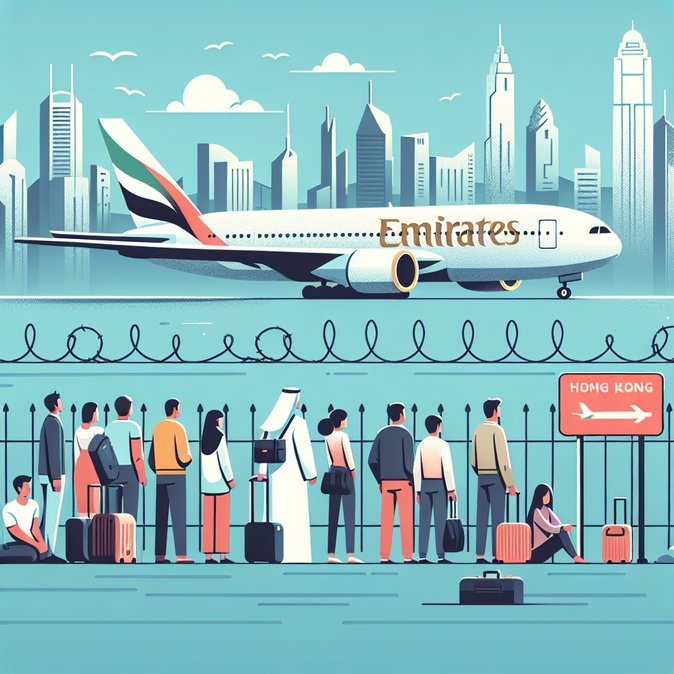
Hong Kong International Airport (HKIA) saw 11 flight cancellations by 11 a.m. on 5 March as ripple effects from the escalating Middle-East conflict continued to upset global schedules. The Airport Authority warned that additional cancellations were possible and urged passengers to verify itineraries directly with airlines before heading to the airport. Another two flights for 6 March have already been scrubbed.
While HKIA remains fully operational, carriers are re-routing aircraft to avoid closed or high-risk airspace over Iraq, Kuwait and parts of the Persian Gulf, resulting in crew-duty time overruns and aircraft positioning challenges. Long-haul services to Europe and Africa are most affected, with some flights adding technical stops in Istanbul or Mumbai to refuel after detouring south of the conflict zone.
The disruption poses particular headaches for corporate travel managers moving project teams between Hong Kong and the Middle East’s energy and logistics hubs. Time-sensitive cargo flown on passenger aircraft belly-hold may also face delays, pushing shippers toward higher-cost dedicated freighters or sea-air combinations via Singapore.
![Eleven Flights Cancelled at Hong Kong International Airport Amid Gulf Crisis]()
Travellers should monitor their airlines’ waiver policies: several carriers are offering fee-free rebooking for tickets issued in Hong Kong up to 6 March. Immigration advisers remind passengers to check that any revised routings do not invalidate multiple-entry visas or Mainland China transit permits needed for onward travel.
For passengers who find themselves suddenly needing an extra visa or transit permit because of an unexpected detour, VisaHQ’s Hong Kong portal (https://www.visahq.com/hong-kong/) can provide rapid, up-to-date guidance and online processing, helping travellers secure the correct documentation without last-minute embassy visits.
With HKIA handling nearly 120,000 passengers a day post-pandemic, even single-digit percentage cancellations can cascade into longer queues at re-ticketing desks and overcrowded airside hotels—reinforcing the value of proactive journey-management tools in mobility programmes.
While HKIA remains fully operational, carriers are re-routing aircraft to avoid closed or high-risk airspace over Iraq, Kuwait and parts of the Persian Gulf, resulting in crew-duty time overruns and aircraft positioning challenges. Long-haul services to Europe and Africa are most affected, with some flights adding technical stops in Istanbul or Mumbai to refuel after detouring south of the conflict zone.
The disruption poses particular headaches for corporate travel managers moving project teams between Hong Kong and the Middle East’s energy and logistics hubs. Time-sensitive cargo flown on passenger aircraft belly-hold may also face delays, pushing shippers toward higher-cost dedicated freighters or sea-air combinations via Singapore.
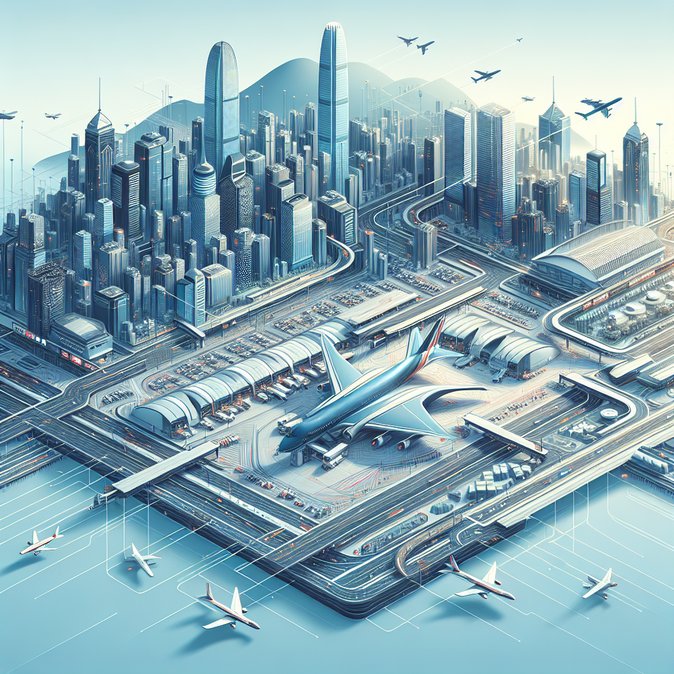
Travellers should monitor their airlines’ waiver policies: several carriers are offering fee-free rebooking for tickets issued in Hong Kong up to 6 March. Immigration advisers remind passengers to check that any revised routings do not invalidate multiple-entry visas or Mainland China transit permits needed for onward travel.
For passengers who find themselves suddenly needing an extra visa or transit permit because of an unexpected detour, VisaHQ’s Hong Kong portal (https://www.visahq.com/hong-kong/) can provide rapid, up-to-date guidance and online processing, helping travellers secure the correct documentation without last-minute embassy visits.
With HKIA handling nearly 120,000 passengers a day post-pandemic, even single-digit percentage cancellations can cascade into longer queues at re-ticketing desks and overcrowded airside hotels—reinforcing the value of proactive journey-management tools in mobility programmes.