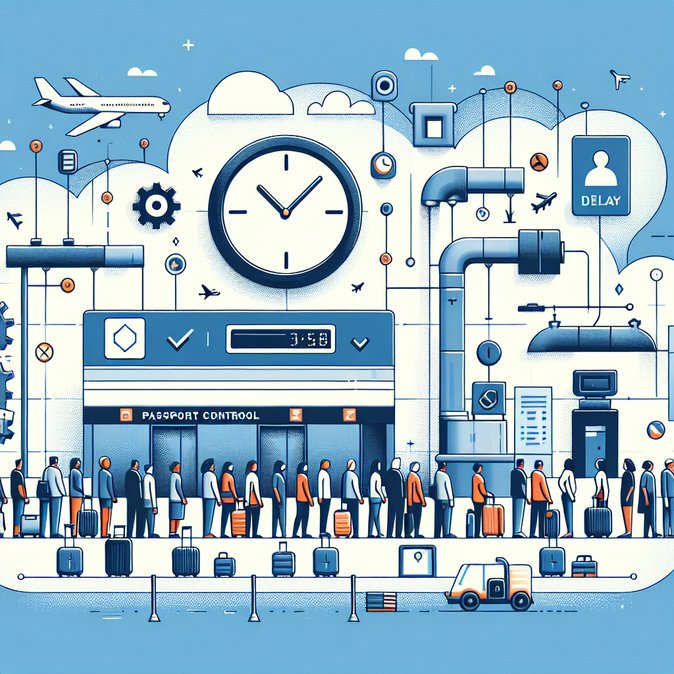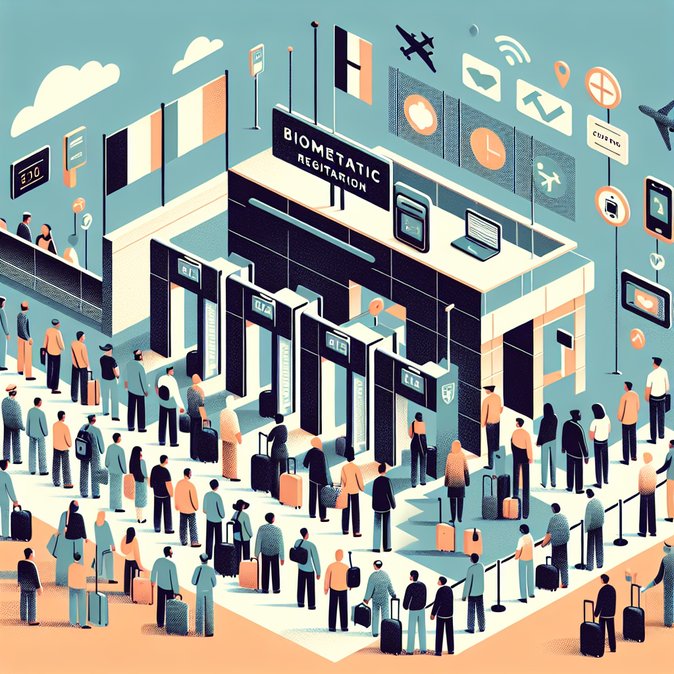
Non-EU travellers heading to France after 9 April have been warned to brace for "up to four hours" of arrival queues at Paris-Charles-de-Gaulle and Orly once the EU’s new biometric Entry-Exit System (EES) replaces the familiar passport-stamp. The alert, issued by specialist site Schengen Travel News on 4 March, cites internal briefings from airline ground-handling firms who expect processing times to double until passengers and officers become familiar with the fingerprint-and-facial-image capture procedure.
Although French and other EU nationals will continue to use PARAFE e-gates, some lanes may be reassigned to EES traffic, narrowing capacity for everyone. Disneyland Paris – anticipating a surge of North-American families for the summer opening of Disney Adventure World – has already added transport notes to booking confirmations, advising guests to consider earlier flights or overnight airport hotels.
For those still piecing together their itineraries, platforms like VisaHQ can smooth the process of navigating France’s evolving entry rules. Its dedicated page (https://www.visahq.com/france/) consolidates the latest visa, ETIAS, and biometric requirements in one place and can handle the actual application paperwork—useful reassurance while the new EES procedures settle in.
![Four-Hour Queues Feared at Paris Airports as Biometric Checks Start 9 April]()
The French government insists that staffing plans will keep average waits below 45 minutes, but unions representing the Police aux Frontières say recruitment is running three months late and that only half of the promised 600 temporary officers will be in post by launch day.
Business-travel managers are updating risk registers: missed rail or domestic-air connections may trigger duty-of-care claims, while logistics teams are factoring delays into crew rotation schedules. Travellers connecting onward within the Schengen Area should check minimum connection times, which some carriers have quietly extended to 120 minutes.
Practical tips include completing any optional mobile pre-enrolment, keeping fingers free of hand sanitiser to ensure successful scans, and allowing generous buffers for meetings on arrival day. If France activates the recently announced 90-day suspension clause, the worst-case scenario could still ease – but corporates are planning for disruption all the same.
Although French and other EU nationals will continue to use PARAFE e-gates, some lanes may be reassigned to EES traffic, narrowing capacity for everyone. Disneyland Paris – anticipating a surge of North-American families for the summer opening of Disney Adventure World – has already added transport notes to booking confirmations, advising guests to consider earlier flights or overnight airport hotels.
For those still piecing together their itineraries, platforms like VisaHQ can smooth the process of navigating France’s evolving entry rules. Its dedicated page (https://www.visahq.com/france/) consolidates the latest visa, ETIAS, and biometric requirements in one place and can handle the actual application paperwork—useful reassurance while the new EES procedures settle in.
The French government insists that staffing plans will keep average waits below 45 minutes, but unions representing the Police aux Frontières say recruitment is running three months late and that only half of the promised 600 temporary officers will be in post by launch day.
Business-travel managers are updating risk registers: missed rail or domestic-air connections may trigger duty-of-care claims, while logistics teams are factoring delays into crew rotation schedules. Travellers connecting onward within the Schengen Area should check minimum connection times, which some carriers have quietly extended to 120 minutes.
Practical tips include completing any optional mobile pre-enrolment, keeping fingers free of hand sanitiser to ensure successful scans, and allowing generous buffers for meetings on arrival day. If France activates the recently announced 90-day suspension clause, the worst-case scenario could still ease – but corporates are planning for disruption all the same.