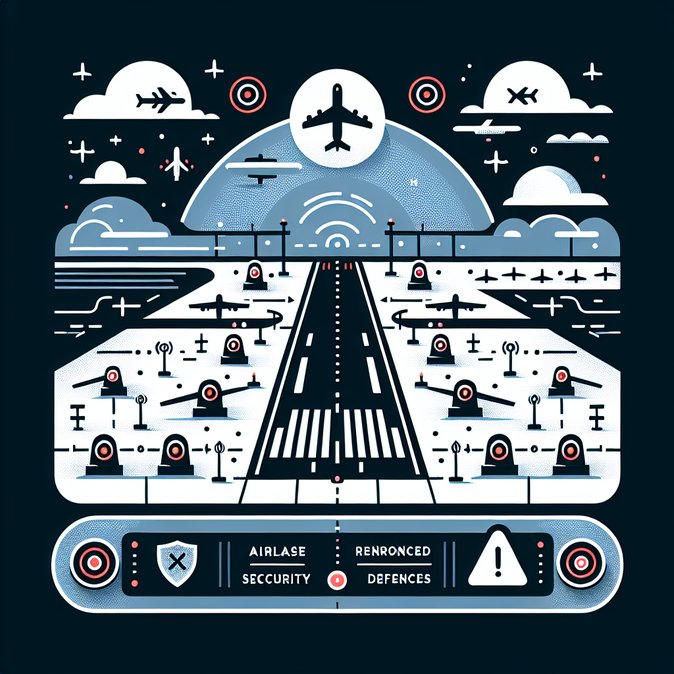
Shortly after 23:00 on Wednesday-night, warning sirens sounded around the UK’s Royal Air Force base at Akrotiri, jolting nearby communities awake. British personnel and Cypriot police immediately activated security protocols that have become routine since Iranian-linked drone attacks struck the base earlier in the week. Within 20 minutes the alarm was cancelled and government spokesman Konstantinos Letymbiotis confirmed that “no threat was identified.”(cyprus-mail.com)
Even though the incident ended quickly, it underlined how Cyprus has been drawn into the periphery of the widening U.S.–Iran confrontation. Akrotiri hosts coalition aircraft involved in regional intelligence and humanitarian operations; the base’s high profile makes it a symbolic target. British sources told local media that the Type-45 destroyer HMS Dragon and two Wildcat helicopters will deploy to the island next week to strengthen the air-defence bubble already reinforced by French and Greek assets.(cyprus-mail.com)
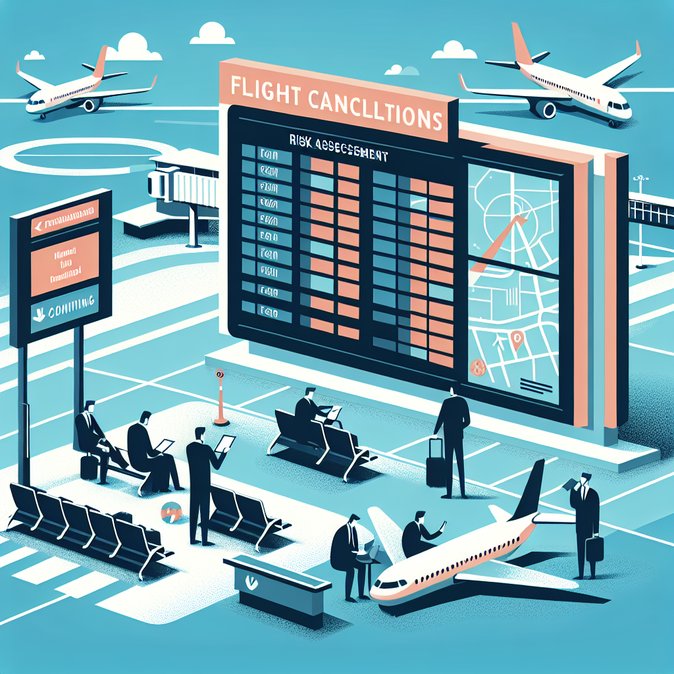
For businesses with assignees on the island, the takeaway is that alarms – even false ones – can disrupt night-time travel, scheduled cargo runs and employee movements along the busy Limassol–Paphos corridor. Employers should update emergency-notification chains and remind staff that base sirens are audible well beyond the perimeter. Although neither civilian airspace nor port operations were halted, transport officials say they will continue to “pause” flights if interceptors need to launch, so last-minute schedule changes remain a possibility.
![Sirens at Akrotiri Base Prove False Alarm, But Heightened Alert Shows Cyprus’ New Normal]()
For companies shuttling personnel in and out of Cyprus at short notice, VisaHQ can streamline the paperwork by securing Cyprus visas, passport renewals and other travel documents entirely online; its live status alerts dovetail well with contingency planning when flights or ferries are rescheduled. Details are available at https://www.visahq.com/cyprus/
Practically, mobility managers should advise travellers to register with their embassy alert systems, carry passports at all times in case of checkpoint ID requests, and build extra buffer time into airport transfers. Crisis-management drills that assume a false alarm can swiftly become a real event are no longer theoretical on the island.
Cyprus still markets itself as a safe hub for evacuations and headquarters functions in the eastern Mediterranean. Wednesday night’s scare proved the security architecture is responsive – but also that the risk level has shifted permanently upward.
Even though the incident ended quickly, it underlined how Cyprus has been drawn into the periphery of the widening U.S.–Iran confrontation. Akrotiri hosts coalition aircraft involved in regional intelligence and humanitarian operations; the base’s high profile makes it a symbolic target. British sources told local media that the Type-45 destroyer HMS Dragon and two Wildcat helicopters will deploy to the island next week to strengthen the air-defence bubble already reinforced by French and Greek assets.(cyprus-mail.com)
For businesses with assignees on the island, the takeaway is that alarms – even false ones – can disrupt night-time travel, scheduled cargo runs and employee movements along the busy Limassol–Paphos corridor. Employers should update emergency-notification chains and remind staff that base sirens are audible well beyond the perimeter. Although neither civilian airspace nor port operations were halted, transport officials say they will continue to “pause” flights if interceptors need to launch, so last-minute schedule changes remain a possibility.

For companies shuttling personnel in and out of Cyprus at short notice, VisaHQ can streamline the paperwork by securing Cyprus visas, passport renewals and other travel documents entirely online; its live status alerts dovetail well with contingency planning when flights or ferries are rescheduled. Details are available at https://www.visahq.com/cyprus/
Practically, mobility managers should advise travellers to register with their embassy alert systems, carry passports at all times in case of checkpoint ID requests, and build extra buffer time into airport transfers. Crisis-management drills that assume a false alarm can swiftly become a real event are no longer theoretical on the island.
Cyprus still markets itself as a safe hub for evacuations and headquarters functions in the eastern Mediterranean. Wednesday night’s scare proved the security architecture is responsive – but also that the risk level has shifted permanently upward.