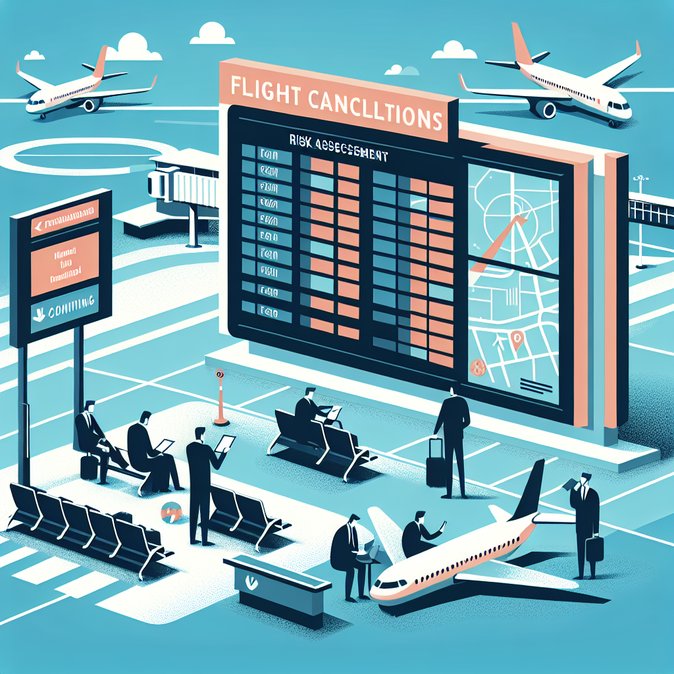
Later on 4 March, Hermes Airports published updated figures showing 66 cancellations across Larnaca and Paphos – 48 at LCA and 18 at PFO – while 103 other flights proceeded.(cyprus-mail.com) The operator listed the still-active country pairs, giving mobility coordinators a live snapshot of connectivity: the United Kingdom, Greece, Poland and 18 additional markets continued to see service, albeit on reduced frequencies.
Wizz Air extended its suspension of flights to Israel, Dubai, Abu Dhabi and Amman through at least 15 March, while Emirates, Lufthansa and Austrian Airlines continued selective cancellations. The patchwork schedule complicates crew rotations, air-cargo uplift and same-day business trips.
In situations like these, travellers often need to reroute through unfamiliar airports at short notice, and that can trigger unexpected transit-visa requirements. VisaHQ’s Cyprus platform (https://www.visahq.com/cyprus/) lets passengers instantly check entry rules for every potential stopover, obtain e-visas online and receive status alerts—helping keep disrupted itineraries legally compliant and on schedule.
![66 Flights Axed in One Day as Cyprus Airports Grapple With Regional Conflict]()
Larnaca retains more resilience because of its larger apron and network breadth, but Paphos’ concentration of low-cost carriers means individual company travel budgets can be hit disproportionately when those airlines ground fleets. Travel-risk consultants suggest maintaining open tickets on both Ryanair and legacy carriers to maximise re-booking options.
Hermes advises passengers to use its real-time arrivals portal rather than third-party tracker apps, which can lag by up to 45 minutes during fast-moving security events. Corporate travel managers should cascade that link to employees and expatriates to avoid unnecessary journeys to the airport.
The 66-flight figure also signals ripple effects for Cyprus Post and just-in-time supply chains that rely on belly-hold freight – reinforcing the need for alternative routings through Athens or Malta for urgent consignments.
Wizz Air extended its suspension of flights to Israel, Dubai, Abu Dhabi and Amman through at least 15 March, while Emirates, Lufthansa and Austrian Airlines continued selective cancellations. The patchwork schedule complicates crew rotations, air-cargo uplift and same-day business trips.
In situations like these, travellers often need to reroute through unfamiliar airports at short notice, and that can trigger unexpected transit-visa requirements. VisaHQ’s Cyprus platform (https://www.visahq.com/cyprus/) lets passengers instantly check entry rules for every potential stopover, obtain e-visas online and receive status alerts—helping keep disrupted itineraries legally compliant and on schedule.

Larnaca retains more resilience because of its larger apron and network breadth, but Paphos’ concentration of low-cost carriers means individual company travel budgets can be hit disproportionately when those airlines ground fleets. Travel-risk consultants suggest maintaining open tickets on both Ryanair and legacy carriers to maximise re-booking options.
Hermes advises passengers to use its real-time arrivals portal rather than third-party tracker apps, which can lag by up to 45 minutes during fast-moving security events. Corporate travel managers should cascade that link to employees and expatriates to avoid unnecessary journeys to the airport.
The 66-flight figure also signals ripple effects for Cyprus Post and just-in-time supply chains that rely on belly-hold freight – reinforcing the need for alternative routings through Athens or Malta for urgent consignments.