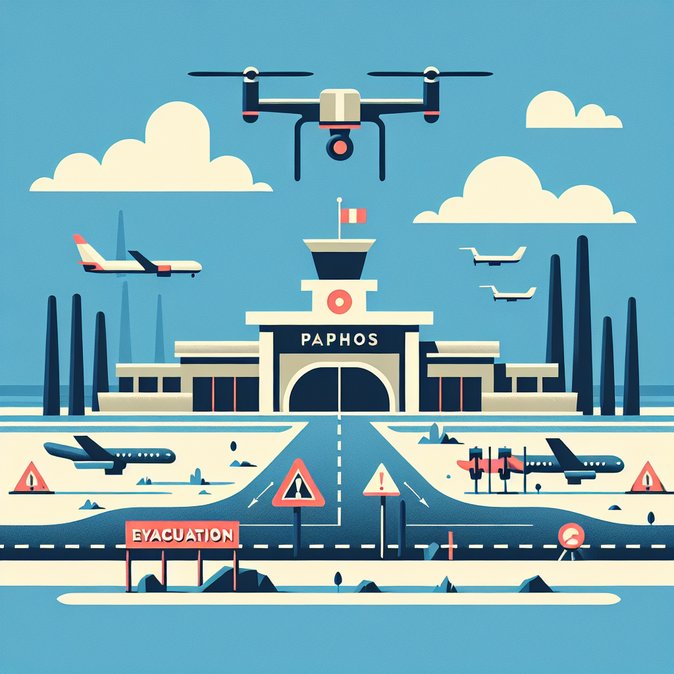
Cyprus’ normally tranquil Paphos International Airport was thrown into chaos on 2 March when authorities ordered a full evacuation after radar picked up a suspected unmanned aerial vehicle approaching the area. The incident came less than 24 hours after an explosive-laden drone struck Britain’s RAF Akrotiri base, just 60 kilometres away, amid escalating exchanges between Iran and Western forces across the Middle East.
Eyewitnesses reported sirens sounding throughout the terminal shortly after lunchtime. Airport operator Hermes confirmed that departing passengers were ushered onto the apron while arriving aircraft were placed in a holding pattern until the air-traffic control tower received clearance from the Ministry of Defence. Within two hours security teams declared the site safe, but not before seven flights were diverted to Larnaca and Rhodes, and a further nine departures were delayed.
Amid the commotion, travellers were reminded that smooth paperwork can be the difference between an inconvenience and a nightmare. VisaHQ’s Cyprus portal (https://www.visahq.com/cyprus/) helps tourists, digital nomads and business executives secure visas, passport renewals and other consular documents quickly, offering door-to-door courier options and real-time status tracking so that unexpected airport disruptions are one less thing to worry about.
![Drone Threat Forces Evacuation of Paphos Airport as Regional Tensions Spill Into Cyprus Airspace]()
Although the device ultimately veered off course, the episode underlines how quickly regional conflict can disrupt Cypriot civil aviation. Paphos is a key entry point for British holidaymakers, tech entrepreneurs relocating under Cyprus’ “digital-nomad” scheme and offshore energy executives commuting to the island’s burgeoning LNG projects. Travel insurers told clients the evacuation qualifies as “extraordinary circumstances,” meaning airlines are not obliged to compensate passengers for delays, though carriers must still provide meals and accommodation.
The Civil Aviation Department has since raised the national drone-alert level to “orange,” requiring all commercial pilots inbound to Cyprus to carry at least 30 minutes of discretionary fuel and to file alternate aerodrome plans. Airport management is accelerating the installation of a counter-UAS radar fence—originally scheduled for late-2026—while the Deputy Ministry of Tourism is preparing contingency messaging to reassure spring-break travellers.
For global-mobility managers the lesson is clear: even destinations perceived as low-risk can become collateral in wider geopolitical disputes. Companies moving staff through Cyprus this quarter should activate traveller-tracking protocols, double-check insurance cover for security-related delays and remind employees to register for their embassy’s crisis-alert service.
Eyewitnesses reported sirens sounding throughout the terminal shortly after lunchtime. Airport operator Hermes confirmed that departing passengers were ushered onto the apron while arriving aircraft were placed in a holding pattern until the air-traffic control tower received clearance from the Ministry of Defence. Within two hours security teams declared the site safe, but not before seven flights were diverted to Larnaca and Rhodes, and a further nine departures were delayed.
Amid the commotion, travellers were reminded that smooth paperwork can be the difference between an inconvenience and a nightmare. VisaHQ’s Cyprus portal (https://www.visahq.com/cyprus/) helps tourists, digital nomads and business executives secure visas, passport renewals and other consular documents quickly, offering door-to-door courier options and real-time status tracking so that unexpected airport disruptions are one less thing to worry about.
Although the device ultimately veered off course, the episode underlines how quickly regional conflict can disrupt Cypriot civil aviation. Paphos is a key entry point for British holidaymakers, tech entrepreneurs relocating under Cyprus’ “digital-nomad” scheme and offshore energy executives commuting to the island’s burgeoning LNG projects. Travel insurers told clients the evacuation qualifies as “extraordinary circumstances,” meaning airlines are not obliged to compensate passengers for delays, though carriers must still provide meals and accommodation.
The Civil Aviation Department has since raised the national drone-alert level to “orange,” requiring all commercial pilots inbound to Cyprus to carry at least 30 minutes of discretionary fuel and to file alternate aerodrome plans. Airport management is accelerating the installation of a counter-UAS radar fence—originally scheduled for late-2026—while the Deputy Ministry of Tourism is preparing contingency messaging to reassure spring-break travellers.
For global-mobility managers the lesson is clear: even destinations perceived as low-risk can become collateral in wider geopolitical disputes. Companies moving staff through Cyprus this quarter should activate traveller-tracking protocols, double-check insurance cover for security-related delays and remind employees to register for their embassy’s crisis-alert service.