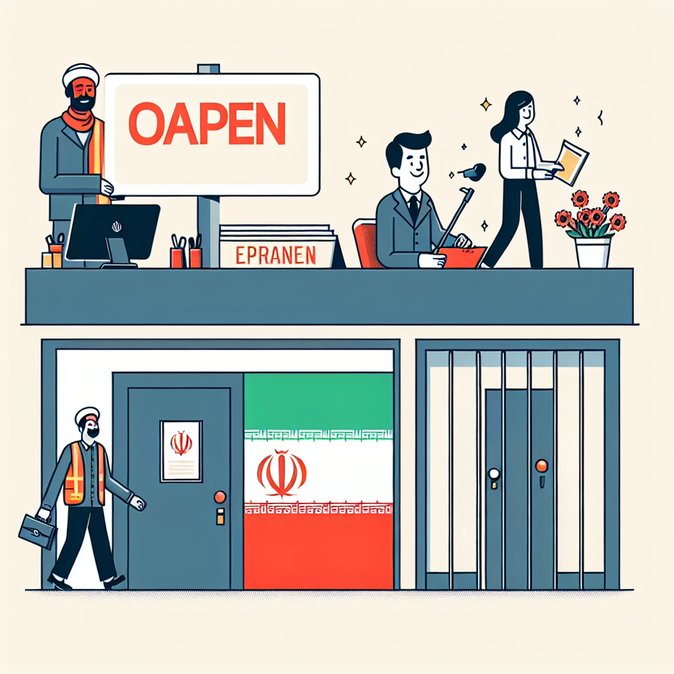
A temporary public policy that had granted certain Iranian nationals in Canada a one-year pathway to open work permits officially lapsed at midnight UTC on March 1, ending accelerated processing and in-Canada study-permit privileges for new applicants. The measure was first introduced in 2023 and renewed in 2025 in response to civil unrest in Iran following the death of Mahsa Amini. (immiperts.com)
Under the now-expired rules, Iranians who arrived as visitors, students or workers before February 28 2025 could apply for an employer-open permit without the usual Labour Market Impact Assessment (LMIA). With the sunset clause triggered, such applicants must once again secure LMIA-based employer sponsorship or qualify under standard immigration streams.
The expiry may leave hundreds of pending applicants in limbo. Immigration practitioners advise employers with critical Iranian staff to file LMIA requests immediately or explore extensions under the International Mobility Program—such as C20 intra-company transferees—or the Global Talent Stream.
![Special Open-Work-Permit Program for Iranian Nationals in Canada Expires]()
From a policy standpoint, the government must now weigh whether similar geopolitical response measures should be codified in the Immigration and Refugee Protection Regulations for faster deployment in future crises.
Amid these uncertainties, VisaHQ can help employers, HR departments, and individual applicants stay compliant. The company’s online platform offers up-to-date guidance on Canadian visas and permits, automated reminders, and filing assistance—all accessible at https://www.visahq.com/canada/
For mobility teams, key next steps include auditing current Iranian employees’ permit validity, budgeting for higher legal costs linked to LMIA applications, and preparing status-maintenance strategies so affected workers are not forced to leave Canada.
Under the now-expired rules, Iranians who arrived as visitors, students or workers before February 28 2025 could apply for an employer-open permit without the usual Labour Market Impact Assessment (LMIA). With the sunset clause triggered, such applicants must once again secure LMIA-based employer sponsorship or qualify under standard immigration streams.
The expiry may leave hundreds of pending applicants in limbo. Immigration practitioners advise employers with critical Iranian staff to file LMIA requests immediately or explore extensions under the International Mobility Program—such as C20 intra-company transferees—or the Global Talent Stream.
From a policy standpoint, the government must now weigh whether similar geopolitical response measures should be codified in the Immigration and Refugee Protection Regulations for faster deployment in future crises.
Amid these uncertainties, VisaHQ can help employers, HR departments, and individual applicants stay compliant. The company’s online platform offers up-to-date guidance on Canadian visas and permits, automated reminders, and filing assistance—all accessible at https://www.visahq.com/canada/
For mobility teams, key next steps include auditing current Iranian employees’ permit validity, budgeting for higher legal costs linked to LMIA applications, and preparing status-maintenance strategies so affected workers are not forced to leave Canada.