Rome-Fiumicino—the EU’s busiest hub for long-haul traffic—spent the weekend scrambling after Iran, Israel, Iraq, Kuwait, Qatar, Syria and the United Arab Emirates closed much of their airspace in the wake of US-Israeli strikes on Iran. The European Union Aviation Safety Agency (EASA) told carriers to avoid the affected flight-information regions “at all flight levels until at least 2 March,” prompting a domino effect of cancellations and diversions. (ansa.it)
By Sunday evening, Aeroporti di Roma counted 49 cancellations and 6,700 delays—numbers modest compared with global Covid-era shutdowns but enough to knock aircraft and crews out of position for days. ITA Airways suspended all Tel Aviv services until 8 March and extended its Dubai suspension to 4 March. Lufthansa, Air France, British Airways and Turkish Airlines introduced similar blackouts, while Emirates, Etihad and Qatar Airways axed more than a third of their schedules. (ansa.it)
Amid the uncertainty, travelers and corporate mobility teams can ease at least one headache by turning to VisaHQ’s Italy portal (https://www.visahq.com/italy/), which provides fast online visa processing, real-time status updates and expert support for rerouted itineraries—helping ensure personnel stay compliant even when flight paths and entry rules shift overnight.
![Middle-East air-space closure triggers mass cancellations of Italy-bound flights]()
Business-travel managers are now budgeting for longer routings via Muscat or Jeddah and warning travellers that same-day returns may prove impossible. Energy, defence and luxury-retail firms with regional operations are activating remote-work contingencies and checking insurance coverage for “war-risk” surcharges that can inflate ticket prices by 25-40 percent overnight.
Italian exporters face a second-order headache: the closure of the Strait of Hormuz has already stranded 150 tankers and could push jet-fuel costs well above budgeted levels, squeezing airline capacity into Italy just as the Easter leisure peak approaches.
For multinationals, the episode underscores how geopolitical flash-points outside Europe can paralyse even well-diversified mobility programmes. Companies are revisiting traveller-tracking tools, crisis-communication chains and policy carve-outs for force-majeure expenses before the next shock hits.
By Sunday evening, Aeroporti di Roma counted 49 cancellations and 6,700 delays—numbers modest compared with global Covid-era shutdowns but enough to knock aircraft and crews out of position for days. ITA Airways suspended all Tel Aviv services until 8 March and extended its Dubai suspension to 4 March. Lufthansa, Air France, British Airways and Turkish Airlines introduced similar blackouts, while Emirates, Etihad and Qatar Airways axed more than a third of their schedules. (ansa.it)
Amid the uncertainty, travelers and corporate mobility teams can ease at least one headache by turning to VisaHQ’s Italy portal (https://www.visahq.com/italy/), which provides fast online visa processing, real-time status updates and expert support for rerouted itineraries—helping ensure personnel stay compliant even when flight paths and entry rules shift overnight.
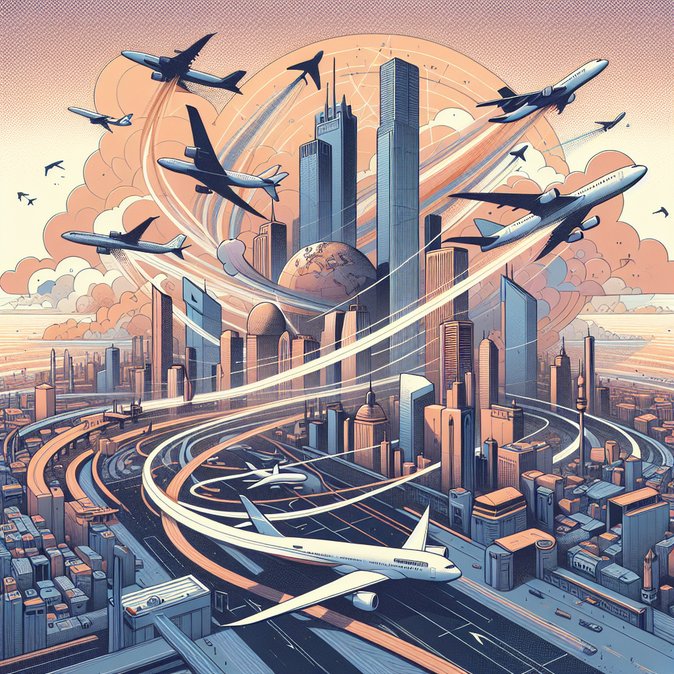
Business-travel managers are now budgeting for longer routings via Muscat or Jeddah and warning travellers that same-day returns may prove impossible. Energy, defence and luxury-retail firms with regional operations are activating remote-work contingencies and checking insurance coverage for “war-risk” surcharges that can inflate ticket prices by 25-40 percent overnight.
Italian exporters face a second-order headache: the closure of the Strait of Hormuz has already stranded 150 tankers and could push jet-fuel costs well above budgeted levels, squeezing airline capacity into Italy just as the Easter leisure peak approaches.
For multinationals, the episode underscores how geopolitical flash-points outside Europe can paralyse even well-diversified mobility programmes. Companies are revisiting traveller-tracking tools, crisis-communication chains and policy carve-outs for force-majeure expenses before the next shock hits.