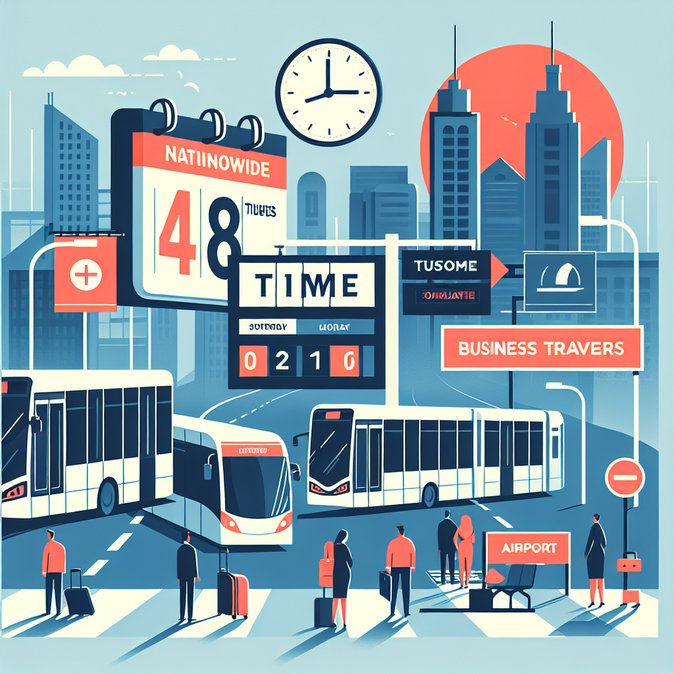
Local buses, trams and metro lines in 14 German states began rolling again at 03:00 on Sunday, 1 March, after a two-day warning strike by some 100,000 Verdi union members. Operators in Berlin, Hamburg, Munich, Cologne and Frankfurt reported a phased ramp-up, with full weekday timetables expected by Monday morning. Baden-Württemberg and Lower Saxony were not hit this round, but further action is likely as collective bargaining resumes on 4–5 March.
During the stoppage taxi queues at major airports stretched beyond the terminal forecourts, and ride-hailing apps applied surge multipliers exceeding 2.5×. Several multinationals arranged emergency shuttle buses to keep shift workers moving—a reminder that public-sector labour disputes can create hidden costs for assignment budgets.
![German Public-Transport Networks Restart After 48-Hour Verdi Walkout—Key Take-Aways for Business Travellers]()
Amid these disruptions, VisaHQ can step in to handle time-sensitive visa extensions, Blue Card applications and other immigration formalities for your assignees, freeing mobility teams to focus on transport work-arounds instead of paperwork. Learn more at https://www.visahq.com/germany/
For mobility managers the main lesson is resilience planning. EU working-time rules require minimum rest periods; if transferees spent extra hours commuting by taxi or foot, consider adjusting per-diem calculations and documenting exceptions for HR compliance. Those with upcoming blue-card interviews should re-confirm appointment slots, as some foreigners’ offices closed early on Friday when staff could not reach their desks.
Looking ahead, Verdi is demanding a 35-hour week, 11-hour rest breaks and higher weekend premiums—concessions municipal employers say would add €1.6 billion to annual payrolls. If negotiations stall, the union could escalate to a week-long strike similar to the 2023 action that paralysed 90 % of urban transport. Companies with distributed workforces in Germany should revisit remote-work contingency plans and ensure assignees understand expense-reimbursement rules for alternative travel modes.
During the stoppage taxi queues at major airports stretched beyond the terminal forecourts, and ride-hailing apps applied surge multipliers exceeding 2.5×. Several multinationals arranged emergency shuttle buses to keep shift workers moving—a reminder that public-sector labour disputes can create hidden costs for assignment budgets.

Amid these disruptions, VisaHQ can step in to handle time-sensitive visa extensions, Blue Card applications and other immigration formalities for your assignees, freeing mobility teams to focus on transport work-arounds instead of paperwork. Learn more at https://www.visahq.com/germany/
For mobility managers the main lesson is resilience planning. EU working-time rules require minimum rest periods; if transferees spent extra hours commuting by taxi or foot, consider adjusting per-diem calculations and documenting exceptions for HR compliance. Those with upcoming blue-card interviews should re-confirm appointment slots, as some foreigners’ offices closed early on Friday when staff could not reach their desks.
Looking ahead, Verdi is demanding a 35-hour week, 11-hour rest breaks and higher weekend premiums—concessions municipal employers say would add €1.6 billion to annual payrolls. If negotiations stall, the union could escalate to a week-long strike similar to the 2023 action that paralysed 90 % of urban transport. Companies with distributed workforces in Germany should revisit remote-work contingency plans and ensure assignees understand expense-reimbursement rules for alternative travel modes.