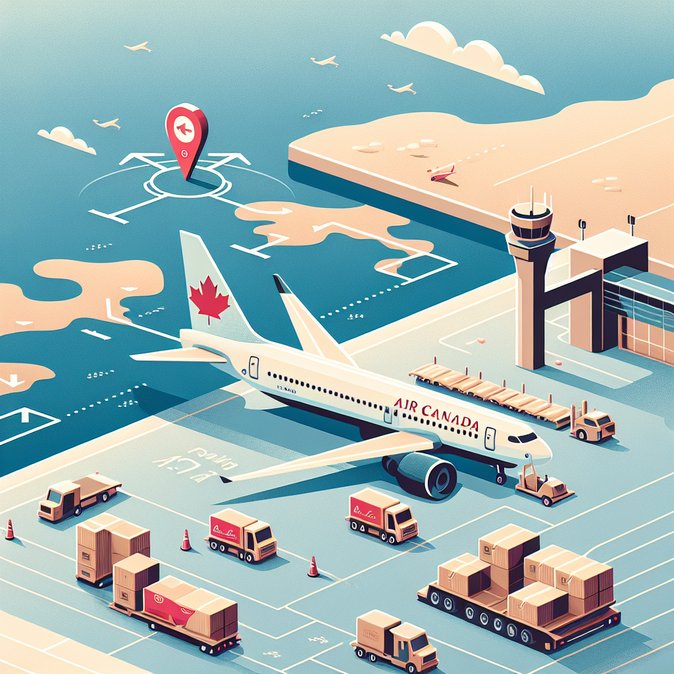
In the wake of joint U.S.-Israeli military strikes in Iran over the weekend, Air Canada announced on March 1 that it is suspending passenger services to Dubai until March 3 and to Tel Aviv until March 8. The carrier cited operational safety and dynamic airspace restrictions as the reasons for the temporary halt. Emirates and Qatar Airways flights to and from Montréal were also cancelled, compounding capacity shortages on key business corridors.
Customers booked on affected flights may rebook without change fees or request refunds, though inventory on alternative routings via Europe is limited. Cargo clients shipping high-value electronics through Dubai report rerouting via Frankfurt, adding up to 48 hours of transit time and additional screening costs.
![Air Canada Suspends Flights to Dubai and Tel Aviv Following Escalation in Middle-East Conflict]()
For travellers and mobility managers suddenly rerouting through secondary hubs such as Amman, Athens, or Frankfurt, VisaHQ can accelerate the procurement of any additional visas needed. The company’s Canada portal (https://www.visahq.com/canada/) offers quick, online processing for Jordanian, Greek, and broader Schengen-area travel documents, ensuring employees remain compliant and itineraries stay on schedule despite the disruption.
The suspension arrives at an awkward moment for Canadian trade delegations preparing for Middle-East project bids in the energy and construction sectors. Global mobility teams should revisit crisis-management protocols, ensure travellers enrol in the Registration of Canadians Abroad (ROCA) service, and verify that travel-insurance policies cover war-risk exclusions.
Industry analysts say the pause is unlikely to impact Air Canada’s summer schedule provided diplomatic tensions ease; however, the episode underscores the fragility of long-haul networks to geopolitical shocks. Organisations with ongoing MENA assignments should map contingency gateways—such as Amman or Athens—and brief travellers on potential rapid itinerary shifts.
Customers booked on affected flights may rebook without change fees or request refunds, though inventory on alternative routings via Europe is limited. Cargo clients shipping high-value electronics through Dubai report rerouting via Frankfurt, adding up to 48 hours of transit time and additional screening costs.

For travellers and mobility managers suddenly rerouting through secondary hubs such as Amman, Athens, or Frankfurt, VisaHQ can accelerate the procurement of any additional visas needed. The company’s Canada portal (https://www.visahq.com/canada/) offers quick, online processing for Jordanian, Greek, and broader Schengen-area travel documents, ensuring employees remain compliant and itineraries stay on schedule despite the disruption.
The suspension arrives at an awkward moment for Canadian trade delegations preparing for Middle-East project bids in the energy and construction sectors. Global mobility teams should revisit crisis-management protocols, ensure travellers enrol in the Registration of Canadians Abroad (ROCA) service, and verify that travel-insurance policies cover war-risk exclusions.
Industry analysts say the pause is unlikely to impact Air Canada’s summer schedule provided diplomatic tensions ease; however, the episode underscores the fragility of long-haul networks to geopolitical shocks. Organisations with ongoing MENA assignments should map contingency gateways—such as Amman or Athens—and brief travellers on potential rapid itinerary shifts.
More From Canada
View all
Hundreds of Flights Delayed or Cancelled Nationwide as Canadian Carriers Battle Operational Crunch and Airspace Restrictions

Canada and India Launch Talent & Innovation Strategy, Opening New Channels for Student and Research Mobility