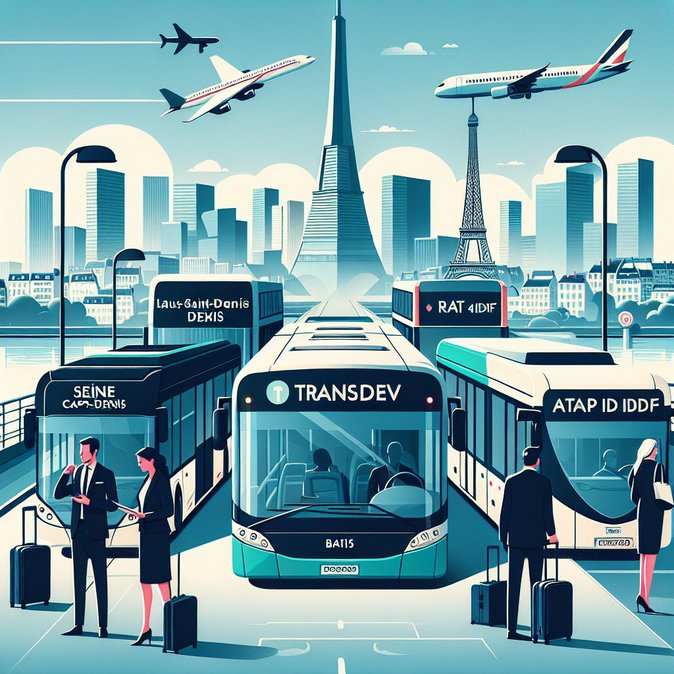
The long-planned liberalisation of Paris region bus services reached a milestone at midnight on 1 March 2026, when some 60 former RATP routes officially transferred to new operators Transdev, RATP Cap IDF and Italy’s ATM. The six-year public-service-delegation contracts, awarded by regional transport authority Île-de-France Mobilités (IDFM), mark the first large-scale hand-over since EU competition rules required the breakup of RATP’s historic monopoly on surface transport. (leparisien.fr)
For daily commuters and airport workers, the immediate impact should be minimal—timetables, fares and ticketing systems remain identical—but passengers will notice new livery, on-board Wi-Fi and real-time information screens as operators roll out fleet upgrades promised in their bids. IDFM has imposed strict performance clauses covering punctuality, vehicle cleanliness and customer satisfaction, with financial penalties for missed targets.
Business-travel planners are watching the changeover closely because several affected lines feed major mobility corridors, including connections to La Défense, Orlytech and the cluster of convention centres along the A1 corridor to Roissy-Charles-de-Gaulle. Employers running private shuttle contracts may be able to renegotiate or cancel them if public service improves.
![Sixty Île-de-France bus lines switch operators as market opens to competition]()
International visitors eager to take advantage of these enhanced bus links may also need to review their entry documents. VisaHQ’s France portal (https://www.visahq.com/france/) streamlines the visa process with step-by-step guidance, digital submissions and real-time status updates, allowing travellers to focus on itineraries instead of paperwork.
The opening to competition also has HR implications: roughly 1,800 drivers and depot staff transferred under French labour-protection rules. New employers must align seniority benefits and training on IDFM’s updated eco-driving and accessibility standards—issues that global-mobility teams will track when relocating staff whose commuting allowances form part of remuneration packages.
Longer term, the reform is expected to pave the way for outsourced operations on express coach routes to the future CDG Express rail link and the 2028 Olympic Park, potentially offering multinational firms more reliable and sustainable alternatives to Grey Fleet car use.
For daily commuters and airport workers, the immediate impact should be minimal—timetables, fares and ticketing systems remain identical—but passengers will notice new livery, on-board Wi-Fi and real-time information screens as operators roll out fleet upgrades promised in their bids. IDFM has imposed strict performance clauses covering punctuality, vehicle cleanliness and customer satisfaction, with financial penalties for missed targets.
Business-travel planners are watching the changeover closely because several affected lines feed major mobility corridors, including connections to La Défense, Orlytech and the cluster of convention centres along the A1 corridor to Roissy-Charles-de-Gaulle. Employers running private shuttle contracts may be able to renegotiate or cancel them if public service improves.

International visitors eager to take advantage of these enhanced bus links may also need to review their entry documents. VisaHQ’s France portal (https://www.visahq.com/france/) streamlines the visa process with step-by-step guidance, digital submissions and real-time status updates, allowing travellers to focus on itineraries instead of paperwork.
The opening to competition also has HR implications: roughly 1,800 drivers and depot staff transferred under French labour-protection rules. New employers must align seniority benefits and training on IDFM’s updated eco-driving and accessibility standards—issues that global-mobility teams will track when relocating staff whose commuting allowances form part of remuneration packages.
Longer term, the reform is expected to pave the way for outsourced operations on express coach routes to the future CDG Express rail link and the 2028 Olympic Park, potentially offering multinational firms more reliable and sustainable alternatives to Grey Fleet car use.