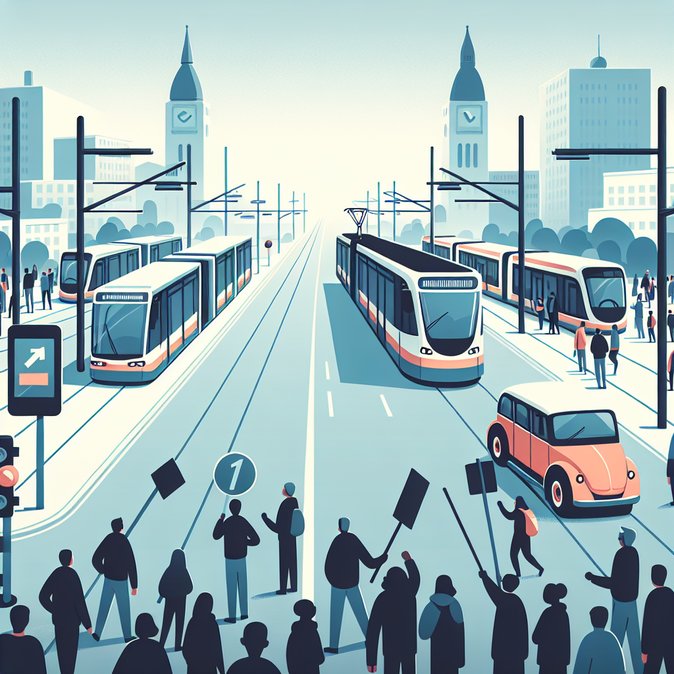
After a 48-hour warning strike that paralysed buses, trams and metro lines in 14 of Germany’s 16 federal states, local transport companies began restoring normal timetables in the early hours of Sunday, 1 March. Berliner Verkehrsbetriebe (BVG) reported that the first U-Bahn and tram services rolled out of depots at 03:00, with full operations expected by mid-morning. Similar ramp-ups were under way in Hamburg, Munich, Cologne and Frankfurt.
The work stoppage, called by public-sector union Verdi, involved some 100,000 drivers, dispatchers and maintenance staff at 150 municipal operators. Verdi is demanding a shorter 35-hour work-week, minimum 11-hour rest breaks and higher weekend premiums, citing chronic staff shortages that have forced daily service cancellations. Employers say the package would cost an additional €1.6 billion a year.
For global mobility teams the impact was immediate: expatriates and business travellers reported two-hour taxi queues at Berlin and Munich airports, while ride-hailing surcharges in major cities exceeded 250 per cent. Several multinationals arranged company shuttles between hotels and plants to keep production running.
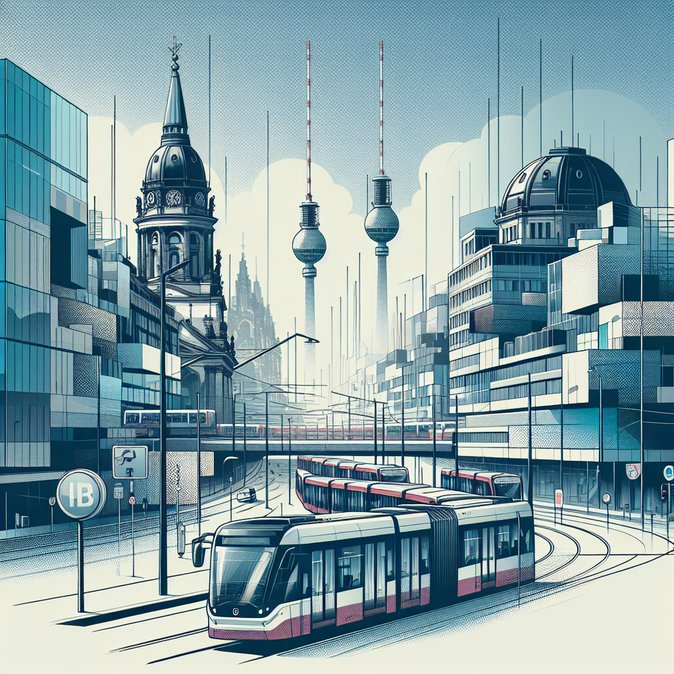
![Germany’s nationwide public-transport strike ends; services gradually back on schedule]()
If travel disruptions coincide with upcoming visa renewals, organisations can lean on VisaHQ to manage German visa and residence applications remotely—reducing the need for in-person visits and keeping assignments on track. Their online platform (https://www.visahq.com/germany/) offers rapid processing, courier options and real-time status alerts, a useful buffer when local transport proves unreliable.
Although the strike is over, Verdi warned of further action if no progress is made when the next bargaining round opens on 4-5 March. Mobility managers are advised to build buffer time into itineraries and monitor regional labour-dispute trackers. Employers should also remind posted workers that the Deutschlandticket (€63 in 2026) remains valid nationwide and may be reimbursed as a taxable fringe benefit, easing costs when services resume.
The confrontation also revives debate over Germany’s ability to meet carbon-reduction targets that rely on shifting commuters from cars to public transport. Prolonged labour unrest could push travellers back to private vehicles or domestic flights, undermining sustainability policies built into many corporate travel programmes.
The work stoppage, called by public-sector union Verdi, involved some 100,000 drivers, dispatchers and maintenance staff at 150 municipal operators. Verdi is demanding a shorter 35-hour work-week, minimum 11-hour rest breaks and higher weekend premiums, citing chronic staff shortages that have forced daily service cancellations. Employers say the package would cost an additional €1.6 billion a year.
For global mobility teams the impact was immediate: expatriates and business travellers reported two-hour taxi queues at Berlin and Munich airports, while ride-hailing surcharges in major cities exceeded 250 per cent. Several multinationals arranged company shuttles between hotels and plants to keep production running.
If travel disruptions coincide with upcoming visa renewals, organisations can lean on VisaHQ to manage German visa and residence applications remotely—reducing the need for in-person visits and keeping assignments on track. Their online platform (https://www.visahq.com/germany/) offers rapid processing, courier options and real-time status alerts, a useful buffer when local transport proves unreliable.
Although the strike is over, Verdi warned of further action if no progress is made when the next bargaining round opens on 4-5 March. Mobility managers are advised to build buffer time into itineraries and monitor regional labour-dispute trackers. Employers should also remind posted workers that the Deutschlandticket (€63 in 2026) remains valid nationwide and may be reimbursed as a taxable fringe benefit, easing costs when services resume.
The confrontation also revives debate over Germany’s ability to meet carbon-reduction targets that rely on shifting commuters from cars to public transport. Prolonged labour unrest could push travellers back to private vehicles or domestic flights, undermining sustainability policies built into many corporate travel programmes.