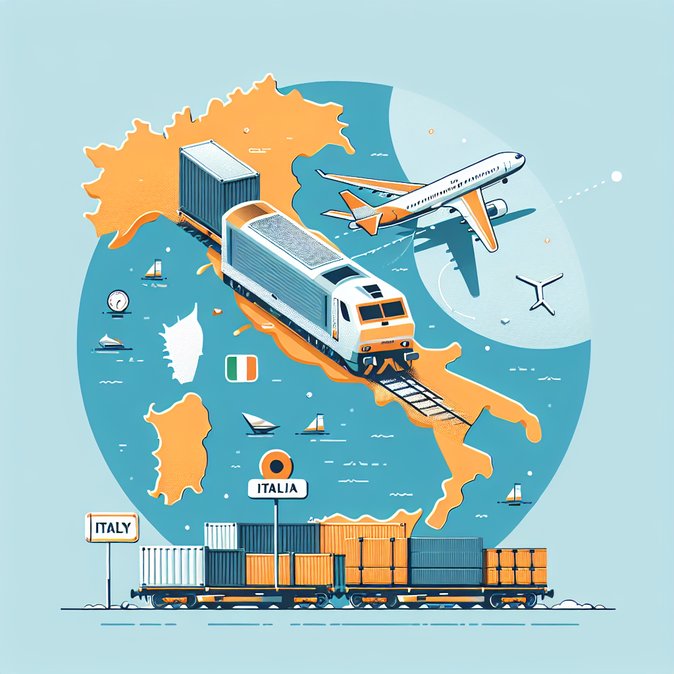
Logistics giant DHL warned clients on 27 February that a 24-hour national rail strike in Italy, running from 21:00 on 27 February to 21:00 on 28 February, is causing “extensive service interruptions” at key freight terminals in Verona, Milan, Messina and Segrate. Although the stoppage is centred in Italy, the ripple effects reach Finland because north-south intermodal trains carry automotive parts, fashion goods and temperature-controlled pharmaceuticals from Italian factories to the Nordic market via the Brenner Pass and German hubs.
Finnish importers relying on just-in-time deliveries have been advised to build at least 48 hours of buffer into supply chains. Air-freight capacity ex-Italy is already tight due to diverted Middle-East cargo, meaning last-minute uplift from Milan Malpensa comes at a premium.
For corporate travellers, the strike coincides with the end of the winter tourism season. Finnish ski-industry buyers attending supplier meetings in northern Italy could face onward-journey disruptions as regional trains that feed airports are cancelled. Mobility managers should monitor airline notifications closely; some carriers are waiving rebooking fees for passengers transiting Italian rail to catch flights.
![Italian rail strike disrupts Finnish freight corridors, may delay business travel]()
If rerouting staff or shifting departure points also means dealing with fresh visa requirements, VisaHQ’s Helsinki-based specialists (https://www.visahq.com/finland/) can expedite Schengen and other travel documents, arrange courier pickup of paperwork, and provide real-time guidance on entry rules—helping companies keep travellers compliant even when plans change at the last minute.
The strike underscores a broader trend of industrial unrest across Europe that is complicating door-to-door mobility planning. Companies with rotational staff or project cargo moving through Italy should consider dual-routing strategies—triangulating via Austria or using Baltic Ro-Ro links—to maintain schedule integrity.
Unions are demanding wage increases in line with Italy’s 5 % inflation and better safety protocols after a series of fatal railway accidents. If talks fail, rail unions have threatened a 48-hour walk-out in late March, which would coincide with Finland’s peak import season for spring merchandise.
Finnish importers relying on just-in-time deliveries have been advised to build at least 48 hours of buffer into supply chains. Air-freight capacity ex-Italy is already tight due to diverted Middle-East cargo, meaning last-minute uplift from Milan Malpensa comes at a premium.
For corporate travellers, the strike coincides with the end of the winter tourism season. Finnish ski-industry buyers attending supplier meetings in northern Italy could face onward-journey disruptions as regional trains that feed airports are cancelled. Mobility managers should monitor airline notifications closely; some carriers are waiving rebooking fees for passengers transiting Italian rail to catch flights.
If rerouting staff or shifting departure points also means dealing with fresh visa requirements, VisaHQ’s Helsinki-based specialists (https://www.visahq.com/finland/) can expedite Schengen and other travel documents, arrange courier pickup of paperwork, and provide real-time guidance on entry rules—helping companies keep travellers compliant even when plans change at the last minute.
The strike underscores a broader trend of industrial unrest across Europe that is complicating door-to-door mobility planning. Companies with rotational staff or project cargo moving through Italy should consider dual-routing strategies—triangulating via Austria or using Baltic Ro-Ro links—to maintain schedule integrity.
Unions are demanding wage increases in line with Italy’s 5 % inflation and better safety protocols after a series of fatal railway accidents. If talks fail, rail unions have threatened a 48-hour walk-out in late March, which would coincide with Finland’s peak import season for spring merchandise.