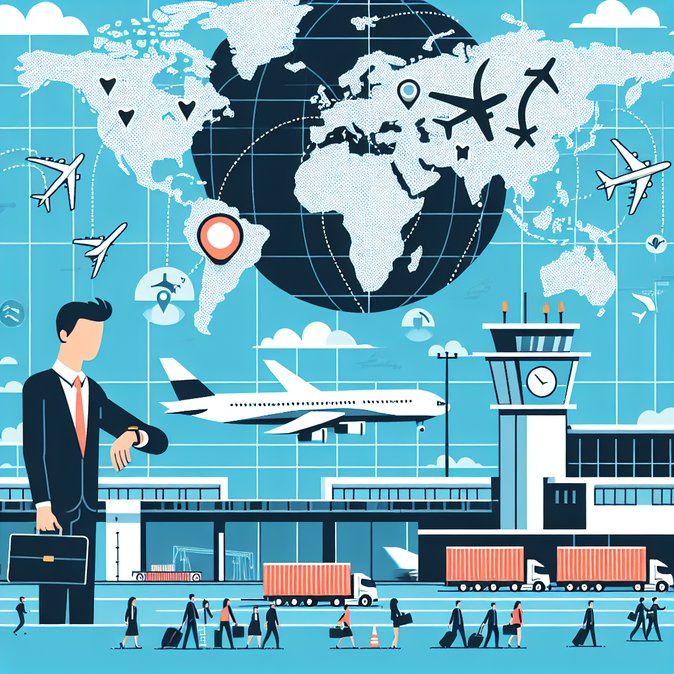
German flag-carrier Lufthansa on 28 February announced an immediate suspension of flights to Tel Aviv, Beirut, Amman, Erbil and Tehran until at least 8 March, and to Dubai, Abu Dhabi, Riyadh and Dammam through 1 March. The decision follows overnight U.S.–Israeli air strikes on Iran that triggered cascading airspace closures across the Gulf, Israel, Jordan, Iraq and Qatar.
The Lufthansa Group—whose network funnels much of Europe-to-Asia traffic through Frankfurt and Munich—said passenger and crew safety was its “top priority”. Sister carrier Eurowings published a conflict-zone bulletin confirming that no aircraft will enter the affected Flight Information Regions and advising travellers of free rebooking or refunds.
Operational fallout was swift. Flight-tracking firm Cirium counted 37 cancellations at Frankfurt, 22 in Munich and nine in Düsseldorf by midday Saturday. Re-routing around Iran and the Gulf added up to 90 minutes and 800 kilometres to services bound for India and Southeast Asia, inflating fuel burn just as carriers grapple with elevated jet-fuel prices. Freight forwarders warned of delays to high-value automotive and pharma shipments that normally transit Dubai.
![Lufthansa Suspends Middle-East Routes as Regional Airspace Closes, Hitting German Hubs]()
Travellers rebooking through unfamiliar hubs should also double-check entry or transit requirements. VisaHQ’s Germany portal (https://www.visahq.com/germany/) offers rapid visa assessments, application support and real-time updates for more than 200 destinations, helping corporates and leisure passengers alike avoid documentation snags as flight paths continue to shift.
Corporate travel managers face a difficult calculus: alternative routings via Istanbul or Athens remain available but involve tight connections and higher fares. Aviation analysts note that with Russian airspace largely off-limits since 2022, Europe-Asia capacity now relies heavily on Middle-Eastern corridors; any prolonged closure could squeeze seat supply ahead of the Easter travel peak.
HR and mobility teams with staff on assignment in the region should verify evacuation and medical-assistance contracts, ensure travellers register on the MFA crisis-portal ELEFAND and consider deferring non-essential trips until a clearer security picture emerges.
The Lufthansa Group—whose network funnels much of Europe-to-Asia traffic through Frankfurt and Munich—said passenger and crew safety was its “top priority”. Sister carrier Eurowings published a conflict-zone bulletin confirming that no aircraft will enter the affected Flight Information Regions and advising travellers of free rebooking or refunds.
Operational fallout was swift. Flight-tracking firm Cirium counted 37 cancellations at Frankfurt, 22 in Munich and nine in Düsseldorf by midday Saturday. Re-routing around Iran and the Gulf added up to 90 minutes and 800 kilometres to services bound for India and Southeast Asia, inflating fuel burn just as carriers grapple with elevated jet-fuel prices. Freight forwarders warned of delays to high-value automotive and pharma shipments that normally transit Dubai.
Travellers rebooking through unfamiliar hubs should also double-check entry or transit requirements. VisaHQ’s Germany portal (https://www.visahq.com/germany/) offers rapid visa assessments, application support and real-time updates for more than 200 destinations, helping corporates and leisure passengers alike avoid documentation snags as flight paths continue to shift.
Corporate travel managers face a difficult calculus: alternative routings via Istanbul or Athens remain available but involve tight connections and higher fares. Aviation analysts note that with Russian airspace largely off-limits since 2022, Europe-Asia capacity now relies heavily on Middle-Eastern corridors; any prolonged closure could squeeze seat supply ahead of the Easter travel peak.
HR and mobility teams with staff on assignment in the region should verify evacuation and medical-assistance contracts, ensure travellers register on the MFA crisis-portal ELEFAND and consider deferring non-essential trips until a clearer security picture emerges.