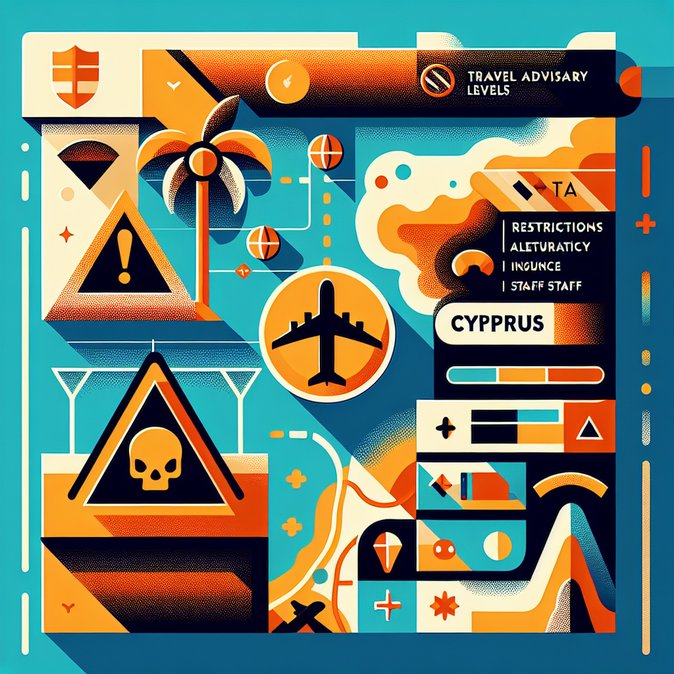
In a late-evening bulletin on 28 February, Cyprus’s Ministry of Foreign Affairs widened its highest-level travel warning to cover eight more Middle Eastern countries amid fears of retaliation following the U-S/Israeli assault on Iran. Cypriot nationals are now formally advised to avoid all travel to the United Arab Emirates, Iraq, Israel, Qatar, Kuwait, Lebanon, Bahrain and Saudi Arabia. Existing ‘do-not-travel’ notices for Iran and Gaza remain in force, while guidance for the Palestinian territories has been tightened to include the West Bank.(cyprus-mail.com)
The advisory automatically triggers clauses in most corporate travel-insurance policies, meaning cover may be voided for new trips unless special risk waivers are obtained. Mobility teams must now obtain C-suite sign-off before routing personnel through Dubai or Doha, two of the region’s major connection hubs. Airlines continue to operate limited services, but tickets are already surging in price as demand shifts to safer routings via Athens, Istanbul and European hubs.
Cypriots already in the affected states are encouraged to register on the government’s Connect2CY platform and to maintain contact with the nearest Cypriot embassy. The ministry published a detailed list of mission phone numbers and emergency hotlines; it also reminded citizens in Iran to depart “without delay”. Businesses with expatriate staff have been advised to check residence-permit validity in case sudden exit becomes necessary.
![Foreign Ministry Expands ‘Do-Not-Travel’ List to Eight Additional Middle East States]()
For travellers scrambling to understand shifting entry rules and documentation needs, VisaHQ’s Cyprus portal (https://www.visahq.com/cyprus/) compiles live visa requirements, embassy details and security notices for every country on the latest advisory list. The service can also expedite passport renewals and arrange special-entry permits, giving both individual citizens and corporate mobility teams a single, up-to-date resource as they plan alternative routings or emergency evacuations.
International relocation firms noted that the broadened list aligns Cyprus with recent advisories issued by Australia and several EU partners. However, the inclusion of traditionally stable UAE and Qatar surprised some observers and could affect regional project staffing, particularly in energy and construction. Analysts say the move underscores how quickly perceived safe harbours can shift when regional conflicts escalate.
The foreign ministry pledged to update guidance daily and hinted that further additions could follow if hostilities spread. Companies are urged to activate traveller-tracking tools, audit crisis-communication trees and ensure that any remaining personnel hold passports with at least six months’ validity to avoid bureaucratic snags during potential evacuations.
The advisory automatically triggers clauses in most corporate travel-insurance policies, meaning cover may be voided for new trips unless special risk waivers are obtained. Mobility teams must now obtain C-suite sign-off before routing personnel through Dubai or Doha, two of the region’s major connection hubs. Airlines continue to operate limited services, but tickets are already surging in price as demand shifts to safer routings via Athens, Istanbul and European hubs.
Cypriots already in the affected states are encouraged to register on the government’s Connect2CY platform and to maintain contact with the nearest Cypriot embassy. The ministry published a detailed list of mission phone numbers and emergency hotlines; it also reminded citizens in Iran to depart “without delay”. Businesses with expatriate staff have been advised to check residence-permit validity in case sudden exit becomes necessary.

For travellers scrambling to understand shifting entry rules and documentation needs, VisaHQ’s Cyprus portal (https://www.visahq.com/cyprus/) compiles live visa requirements, embassy details and security notices for every country on the latest advisory list. The service can also expedite passport renewals and arrange special-entry permits, giving both individual citizens and corporate mobility teams a single, up-to-date resource as they plan alternative routings or emergency evacuations.
International relocation firms noted that the broadened list aligns Cyprus with recent advisories issued by Australia and several EU partners. However, the inclusion of traditionally stable UAE and Qatar surprised some observers and could affect regional project staffing, particularly in energy and construction. Analysts say the move underscores how quickly perceived safe harbours can shift when regional conflicts escalate.
The foreign ministry pledged to update guidance daily and hinted that further additions could follow if hostilities spread. Companies are urged to activate traveller-tracking tools, audit crisis-communication trees and ensure that any remaining personnel hold passports with at least six months’ validity to avoid bureaucratic snags during potential evacuations.