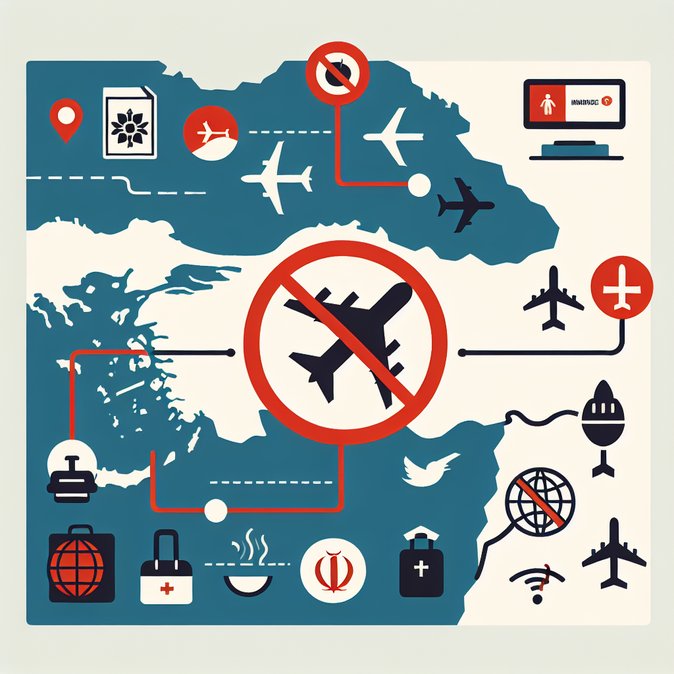
Cyprus’ Foreign Ministry on 26 February 2026 renewed its call for citizens to avoid all travel to Iran and to leave the country immediately if already there, citing heightened regional tensions and the risk of rapid air-route disruptions. The advisory also urges vigilance for Cypriots in Lebanon, Israel and the Palestinian Territories.
The warning aligns Cyprus with a growing list of countries updating Middle East guidance after the latest setback in US-Iran nuclear talks and an American naval build-up in the Gulf. Commercial airlines serving Larnaca and Paphos have begun contingency planning for possible reroutes via Greek and Egyptian FIRs should Iranian or Iraqi airspace close.
![Foreign Ministry Re-Issues ‘Do Not Travel’ Advisory for Iran as Tensions Escalate]()
Before setting off, travelers can also streamline any documentation they may still need through VisaHQ, which offers Cyprus residents convenient online visa and passport services and real-time updates on shifting entry rules. The platform’s dedicated Cyprus portal (https://www.visahq.com/cyprus/) lets users check requirements for alternative transit points such as Muscat or Athens and arrange express processing if sudden flight reroutes call for fresh visas.
Corporate security firms are advising multinationals with Cyprus-based staff to check travel-insurance war-risk clauses and to map alternative medical-evacuation paths. At least two energy companies headquartered in Limassol have activated ‘track-and-trace’ protocols for engineers rotating through Basra and Doha, routing future crew changes via Muscat instead of Dubai.
Consular officials remind citizens that the ‘Esther’ system—Cyprus’ voluntary traveller registry—remains the fastest way for diplomats to issue SMS alerts and coordinate potential evacuations. Registration has spiked 35 percent since the advisory was first issued in mid-January.
The warning aligns Cyprus with a growing list of countries updating Middle East guidance after the latest setback in US-Iran nuclear talks and an American naval build-up in the Gulf. Commercial airlines serving Larnaca and Paphos have begun contingency planning for possible reroutes via Greek and Egyptian FIRs should Iranian or Iraqi airspace close.

Before setting off, travelers can also streamline any documentation they may still need through VisaHQ, which offers Cyprus residents convenient online visa and passport services and real-time updates on shifting entry rules. The platform’s dedicated Cyprus portal (https://www.visahq.com/cyprus/) lets users check requirements for alternative transit points such as Muscat or Athens and arrange express processing if sudden flight reroutes call for fresh visas.
Corporate security firms are advising multinationals with Cyprus-based staff to check travel-insurance war-risk clauses and to map alternative medical-evacuation paths. At least two energy companies headquartered in Limassol have activated ‘track-and-trace’ protocols for engineers rotating through Basra and Doha, routing future crew changes via Muscat instead of Dubai.
Consular officials remind citizens that the ‘Esther’ system—Cyprus’ voluntary traveller registry—remains the fastest way for diplomats to issue SMS alerts and coordinate potential evacuations. Registration has spiked 35 percent since the advisory was first issued in mid-January.