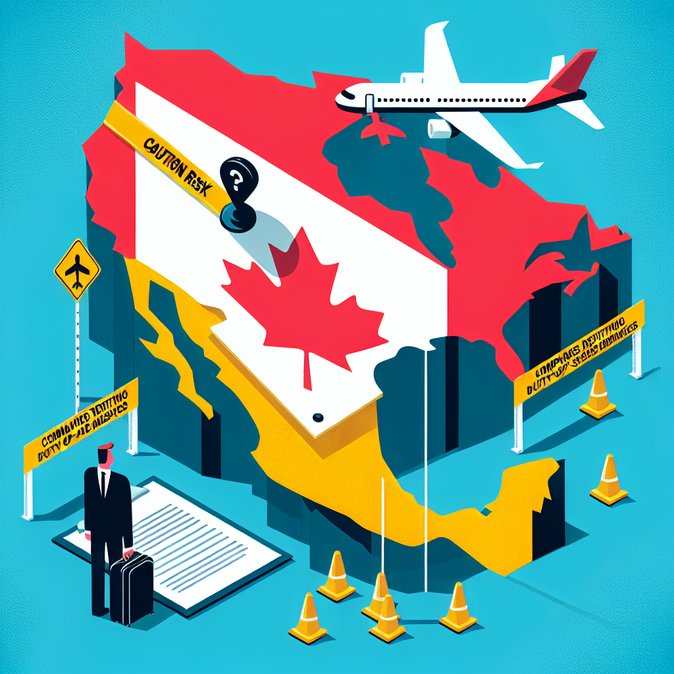
In an interview published 26 February 2026 by People Magazine and syndicated via Yahoo Canada, former U.S. Drug Enforcement Administration operations chief Mike Vigil warned that widespread cartel violence following the death of Jalisco New Generation Cartel leader Nemesio “Oseguera” Cervantes has rendered parts of Mexico unsafe for foreign visitors. Violent roadblocks, vehicle burnings and sporadic firefights erupted across Jalisco, Colima and Michoacán on 22 February.
Although major Canadian airlines—including Air Canada, WestJet and Porter—have resumed flights to Puerto Vallarta and Guadalajara, Vigil cautioned that the security environment “can flare up within minutes” and advised tourists to postpone non-essential travel. Global Affairs Canada’s advisory remains at ‘Exercise a high degree of caution,’ but risk ratings for coastal resort areas are under review.
The warning is significant for Canadian snowbirds and corporate travellers alike. Mexico is Canada’s second-largest outbound leisure market after the United States, and many firms rotate engineering and agribusiness staff through the Bajío industrial corridor. Employers should review duty-of-care protocols, ensure travellers enrol in the Registration of Canadians Abroad (ROCA) service, and maintain standby evacuation plans.
![Security Experts Urge Canadian Tourists to Reconsider Travel to Mexico After Cartel Violence]()
For those who must keep trips on the books, VisaHQ can streamline the administrative side. Its Canadian portal (https://www.visahq.com/canada/) lets travellers complete Mexico’s entry paperwork online, track updates in real time, and access support for visas to scores of other countries—a useful safety net when itineraries suddenly change.
Insurance brokers say some underwriters are adding Jalisco and Colima to policy exclusion lists, which could raise premiums or limit coverage for medical evacuation. Travel managers may need to reroute itineraries through Mexico City or Monterrey, where security conditions are comparatively stable.
Experts also recommend that travellers avoid overnight highway travel, monitor local media, and use vetted ground-transport providers equipped with GPS tracking and duress alerts.
Although major Canadian airlines—including Air Canada, WestJet and Porter—have resumed flights to Puerto Vallarta and Guadalajara, Vigil cautioned that the security environment “can flare up within minutes” and advised tourists to postpone non-essential travel. Global Affairs Canada’s advisory remains at ‘Exercise a high degree of caution,’ but risk ratings for coastal resort areas are under review.
The warning is significant for Canadian snowbirds and corporate travellers alike. Mexico is Canada’s second-largest outbound leisure market after the United States, and many firms rotate engineering and agribusiness staff through the Bajío industrial corridor. Employers should review duty-of-care protocols, ensure travellers enrol in the Registration of Canadians Abroad (ROCA) service, and maintain standby evacuation plans.

For those who must keep trips on the books, VisaHQ can streamline the administrative side. Its Canadian portal (https://www.visahq.com/canada/) lets travellers complete Mexico’s entry paperwork online, track updates in real time, and access support for visas to scores of other countries—a useful safety net when itineraries suddenly change.
Insurance brokers say some underwriters are adding Jalisco and Colima to policy exclusion lists, which could raise premiums or limit coverage for medical evacuation. Travel managers may need to reroute itineraries through Mexico City or Monterrey, where security conditions are comparatively stable.
Experts also recommend that travellers avoid overnight highway travel, monitor local media, and use vetted ground-transport providers equipped with GPS tracking and duress alerts.