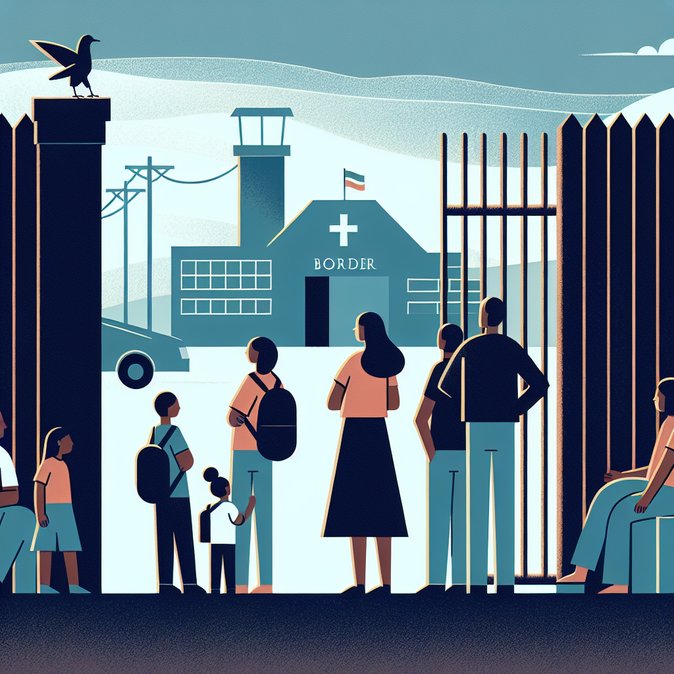
The German parliament’s Committee on Internal Affairs has approved two government bills transposing the EU’s Common European Asylum System (CEAS) into national law. Key for employers: asylum applicants will gain access to the labour market significantly earlier, with children guaranteed school enrolment within two months. A full plenary vote is scheduled for Friday, and Berlin must implement the package by June under EU deadlines. (yahoo.com)
If passed, the legislation will shorten waiting times for work authorisation, a move welcomed by business lobbies facing acute labour shortages. Critics warn that accelerated border-screening procedures could still exclude applicants from “safe-country” lists and fast-track deportations.
Companies and individuals navigating Germany’s changing entry requirements may find visa services like VisaHQ helpful. Their Germany portal (https://www.visahq.com/germany/) provides up-to-date guidance on work permits, residence titles, and other documentation, helping HR teams and newcomers align with the latest regulations.
![Bundestag Committee Clears Draft Laws to Implement EU Asylum Reform—Earlier Work Access in Sight]()
The bills also lay the groundwork for solidarity relocations of asylum-seekers from pressure-point states such as Greece and Italy—but Germany’s large intake of Ukrainian refugees means it is exempt from mandatory relocations in 2026.
Corporate-HR teams employing asylum-seekers under probationary contracts should follow the legislative vote closely; early access to employment can reduce compliance friction around trial periods and occupational-health insurance. Legal counsel should also review on-site support for minors as schooling obligations tighten.
Adoption would mark Germany’s first major asylum-law overhaul since 2015, signalling a European pivot toward both stricter border procedures and faster integration for those likely to stay.
If passed, the legislation will shorten waiting times for work authorisation, a move welcomed by business lobbies facing acute labour shortages. Critics warn that accelerated border-screening procedures could still exclude applicants from “safe-country” lists and fast-track deportations.
Companies and individuals navigating Germany’s changing entry requirements may find visa services like VisaHQ helpful. Their Germany portal (https://www.visahq.com/germany/) provides up-to-date guidance on work permits, residence titles, and other documentation, helping HR teams and newcomers align with the latest regulations.

The bills also lay the groundwork for solidarity relocations of asylum-seekers from pressure-point states such as Greece and Italy—but Germany’s large intake of Ukrainian refugees means it is exempt from mandatory relocations in 2026.
Corporate-HR teams employing asylum-seekers under probationary contracts should follow the legislative vote closely; early access to employment can reduce compliance friction around trial periods and occupational-health insurance. Legal counsel should also review on-site support for minors as schooling obligations tighten.
Adoption would mark Germany’s first major asylum-law overhaul since 2015, signalling a European pivot toward both stricter border procedures and faster integration for those likely to stay.